JNF Australia Educators Tour 2025/2026
Day 9 – 7 January, 2026
Day 9
זכור – Zachor (to remember)
Memory is an essential pillar in Jewish cosmology.
We are commanded to remember, and remembering is regarded as a moral, religious, and communal responsibility that respects the past, shapes how we live in the present and has implications about what we can learn for the future.
The role of memory, in many ways, has underpinned our whole JNF trip, not only learning about seminal moments in ancient and modern Jewish history, but also creating our own (individual and) collective memories of this extraordinary land and its exceptional people.
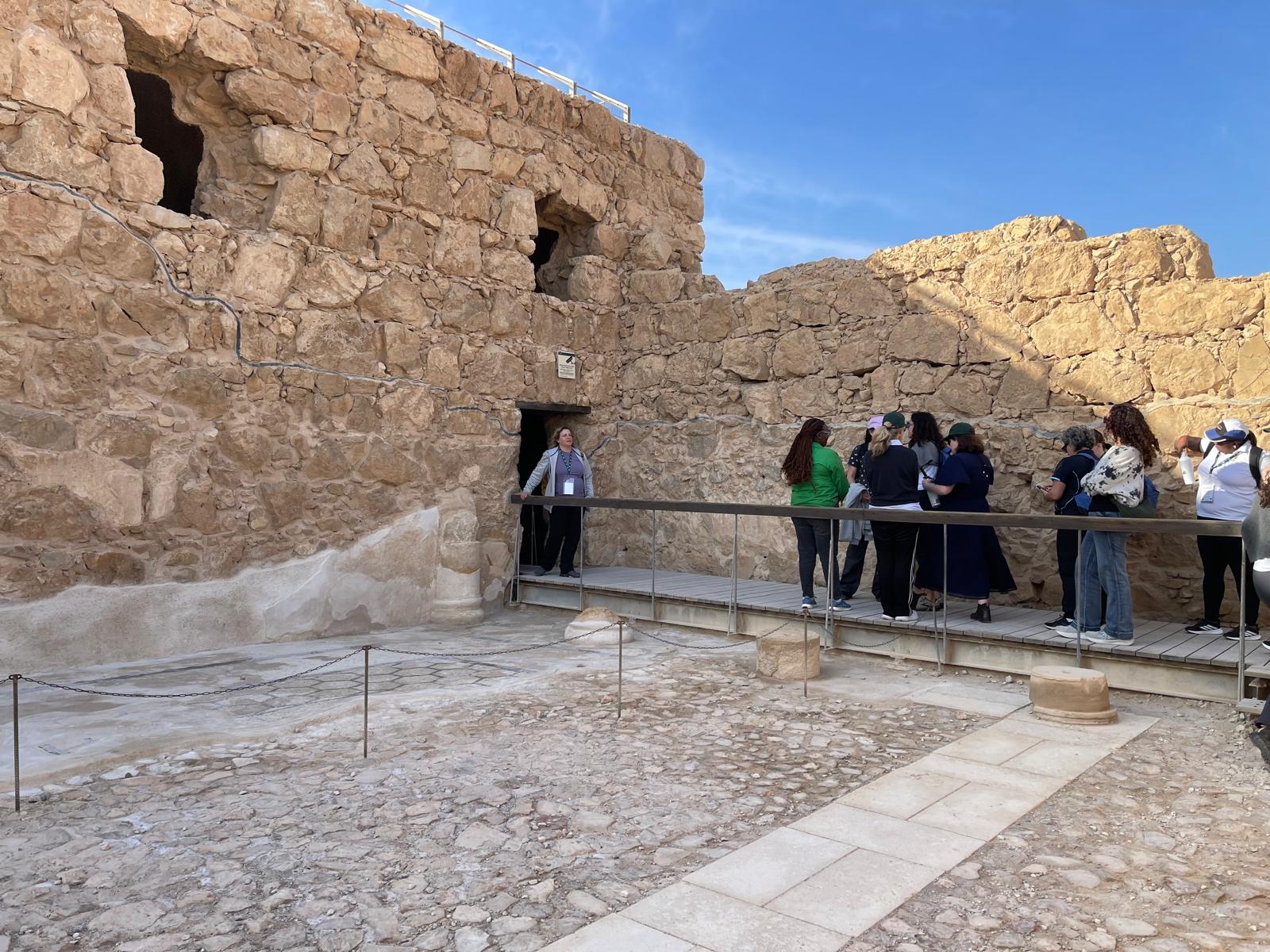
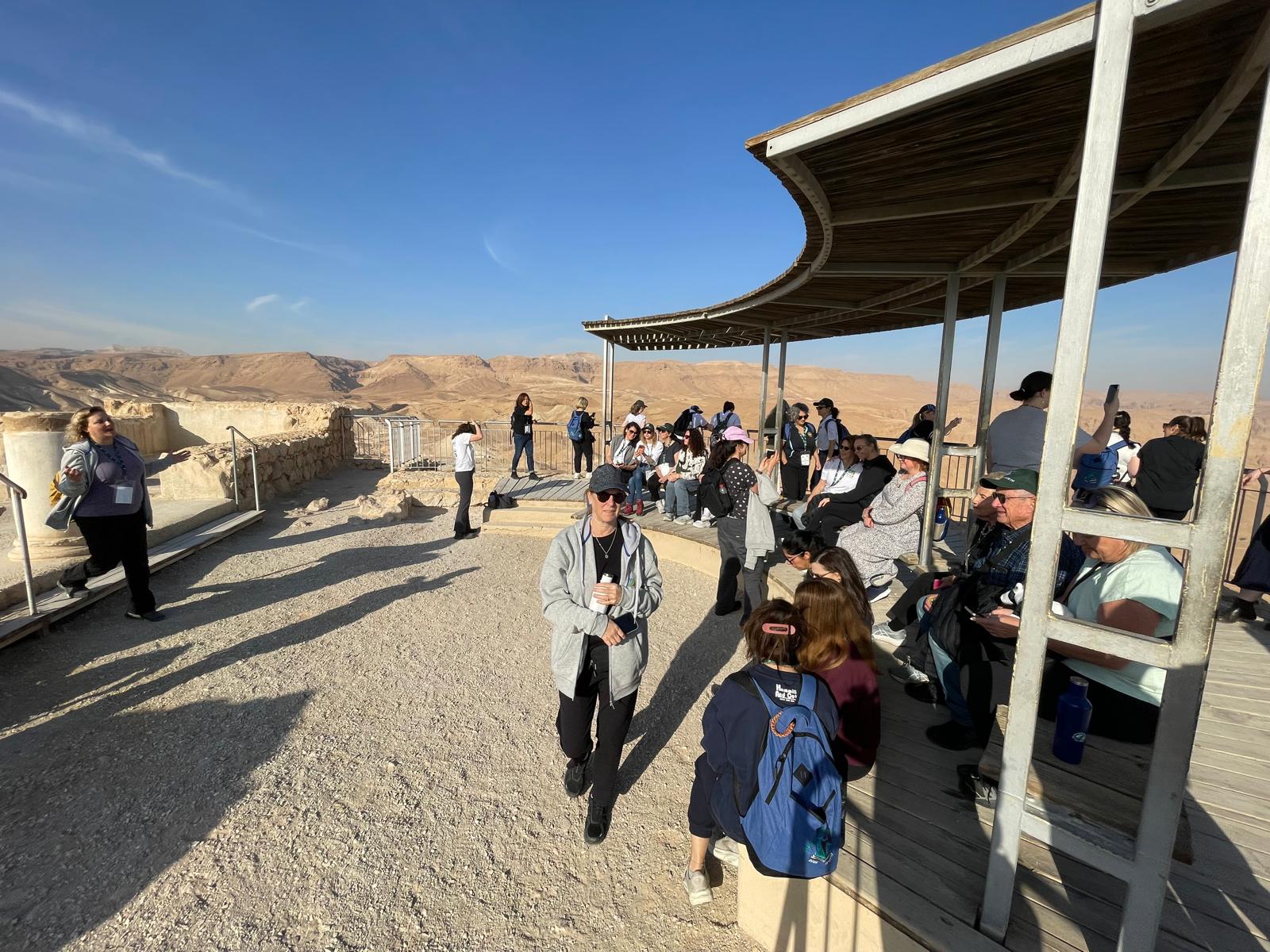
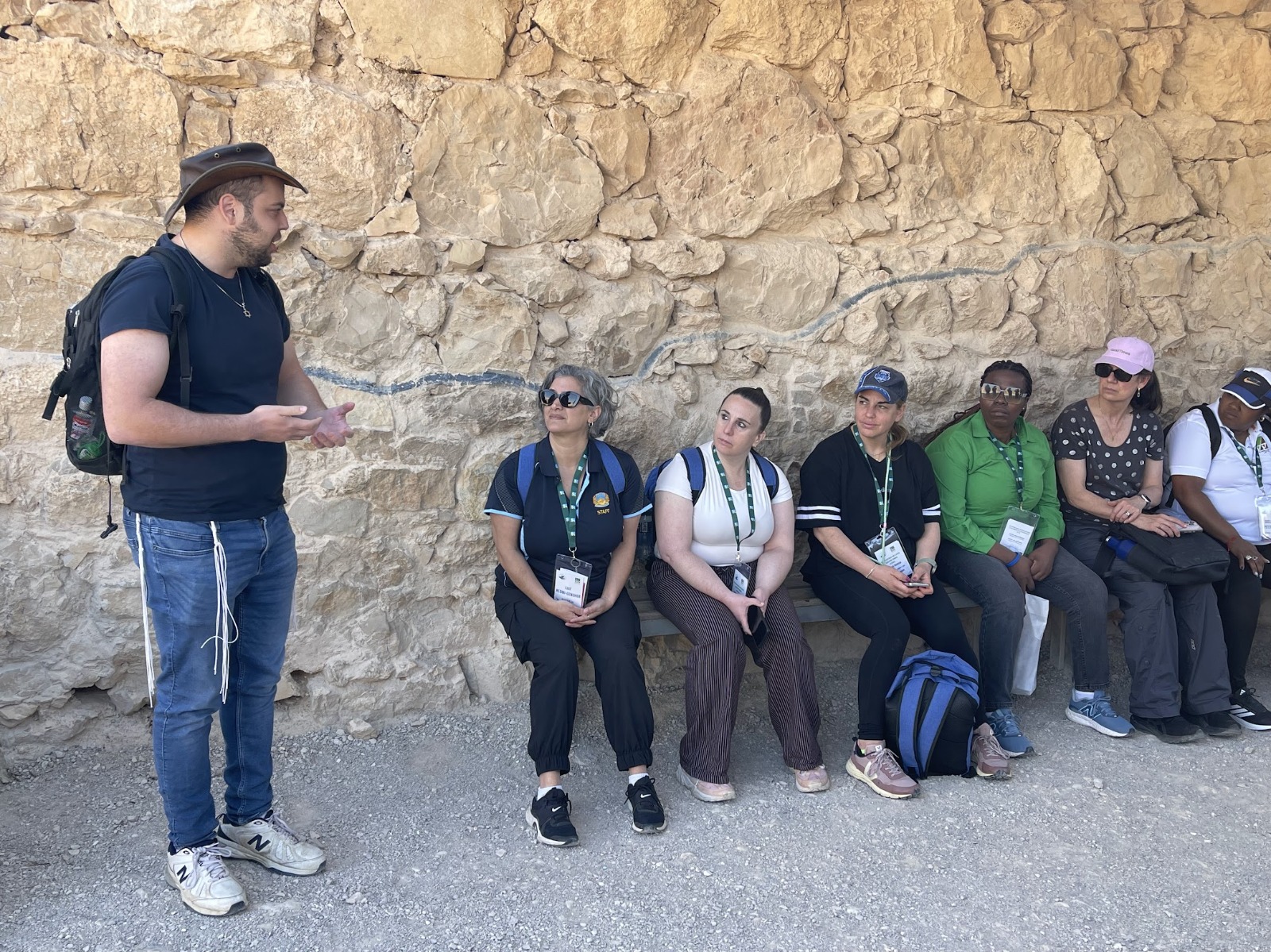
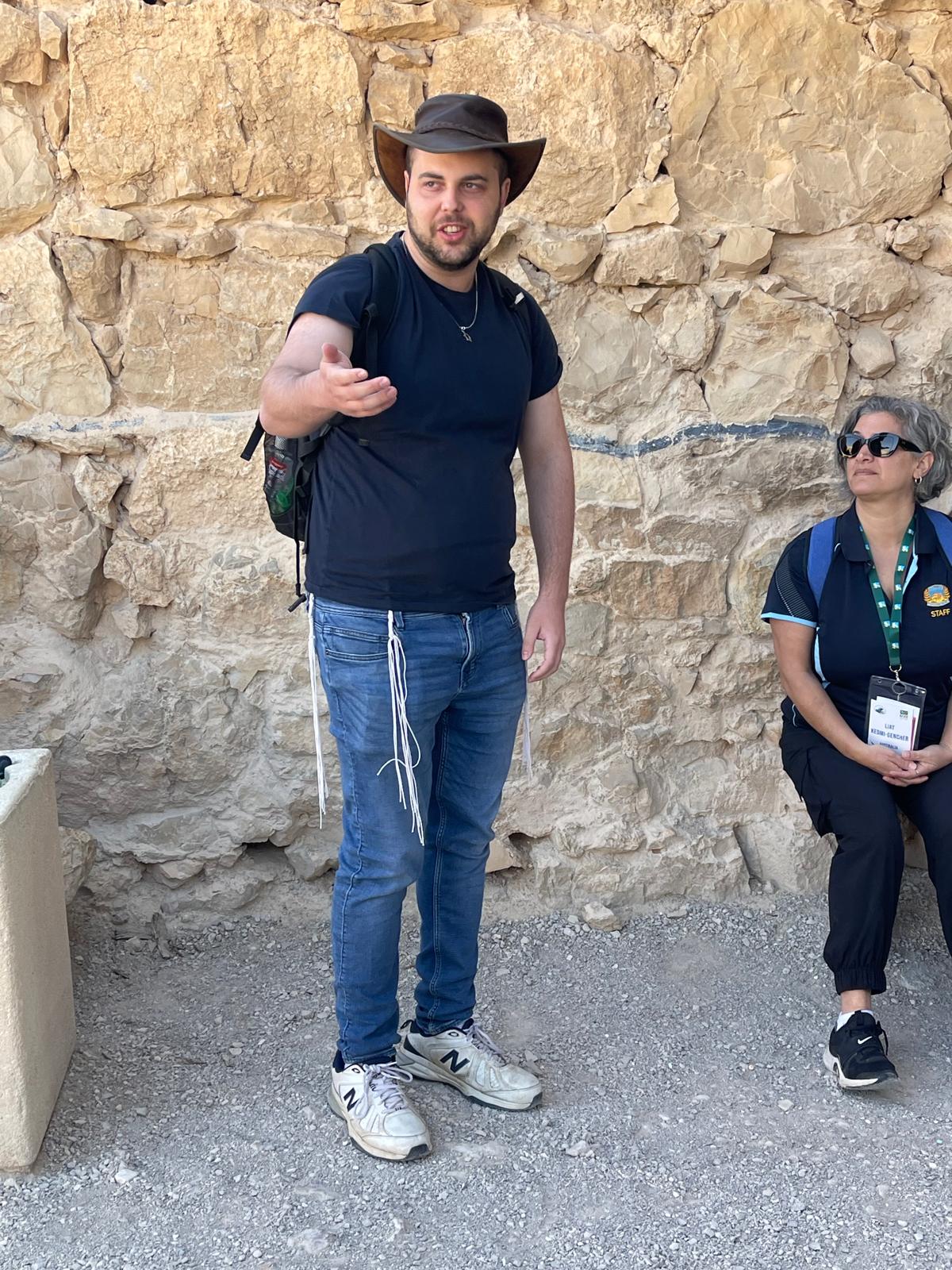
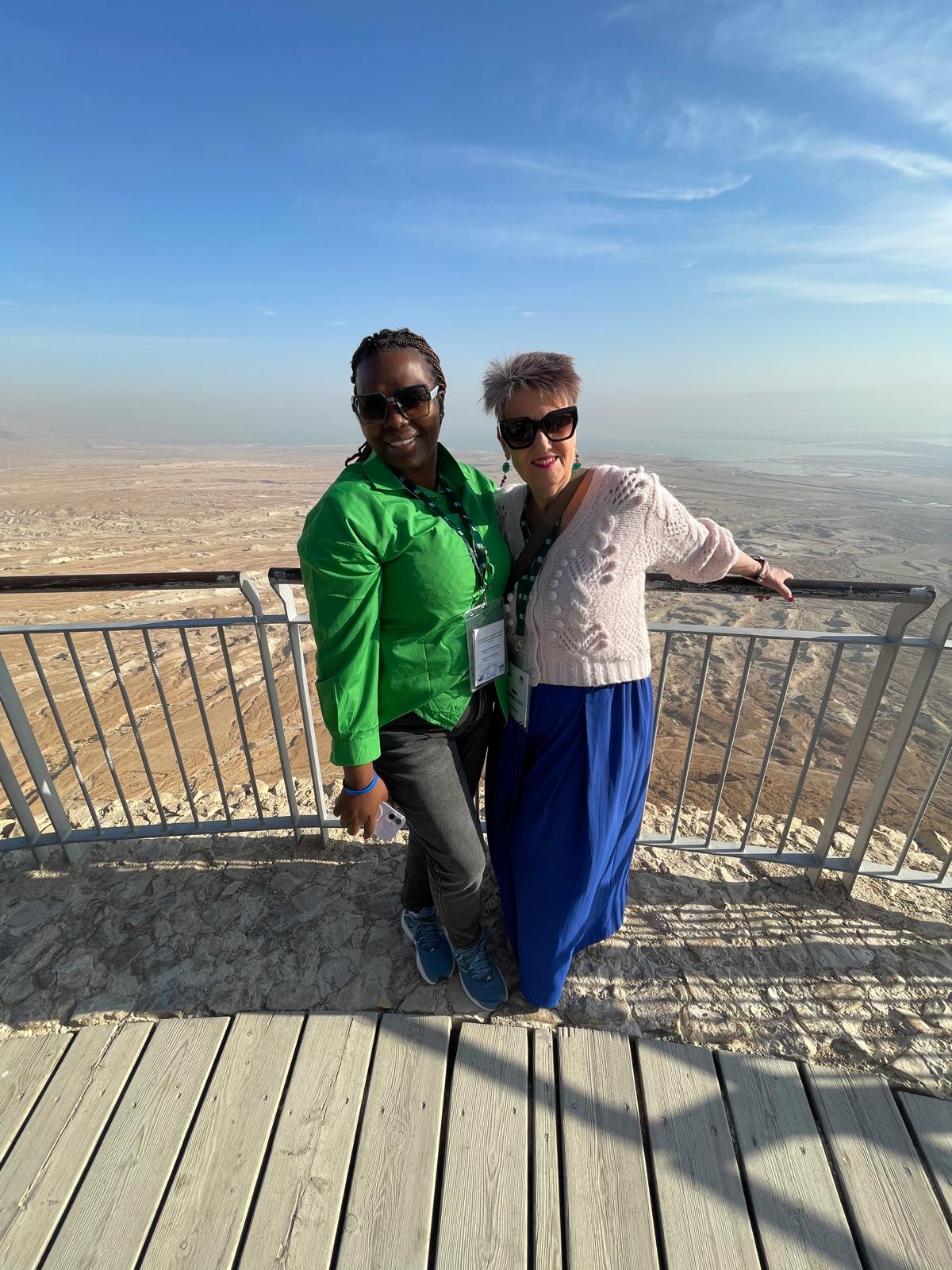
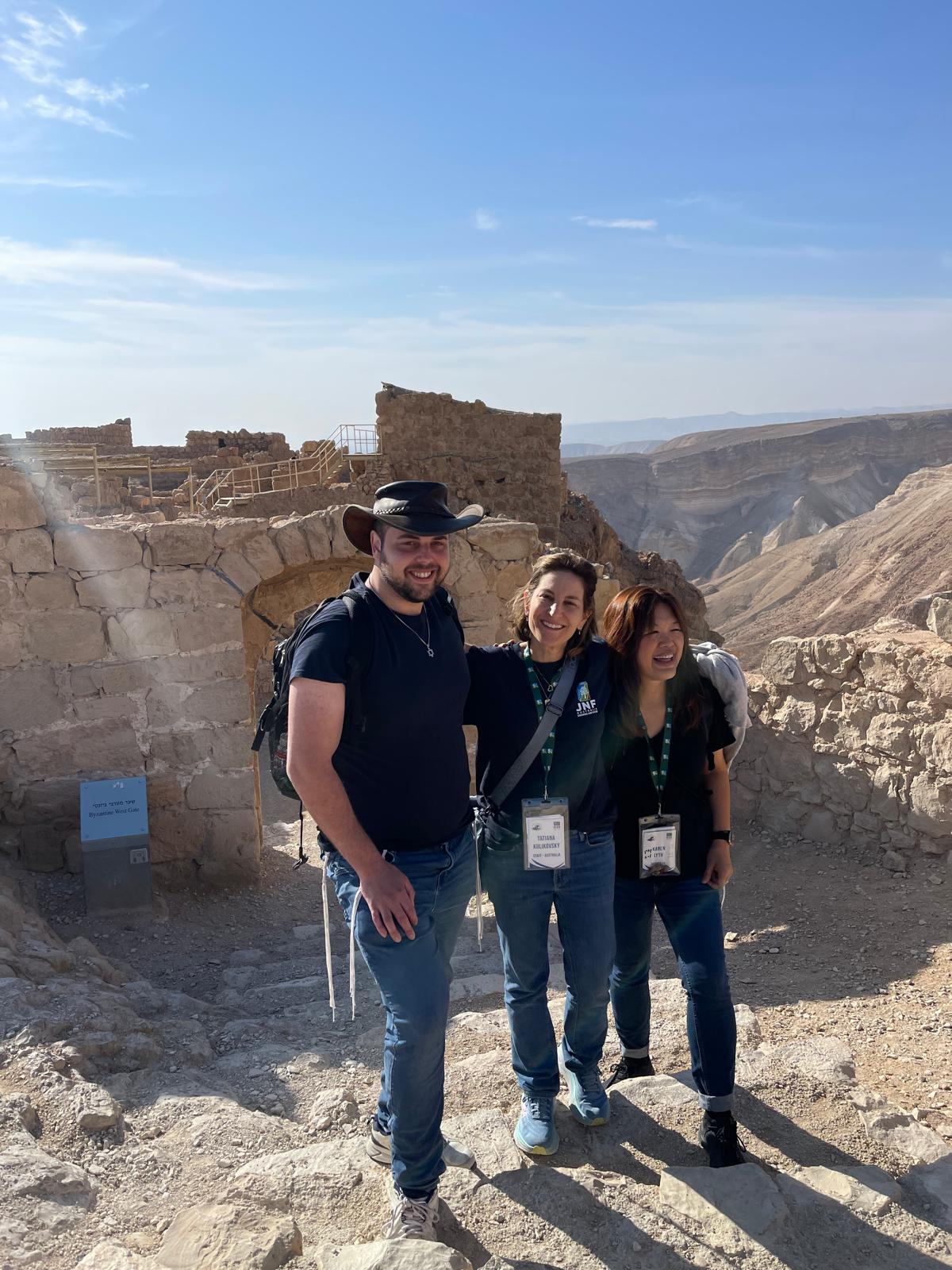
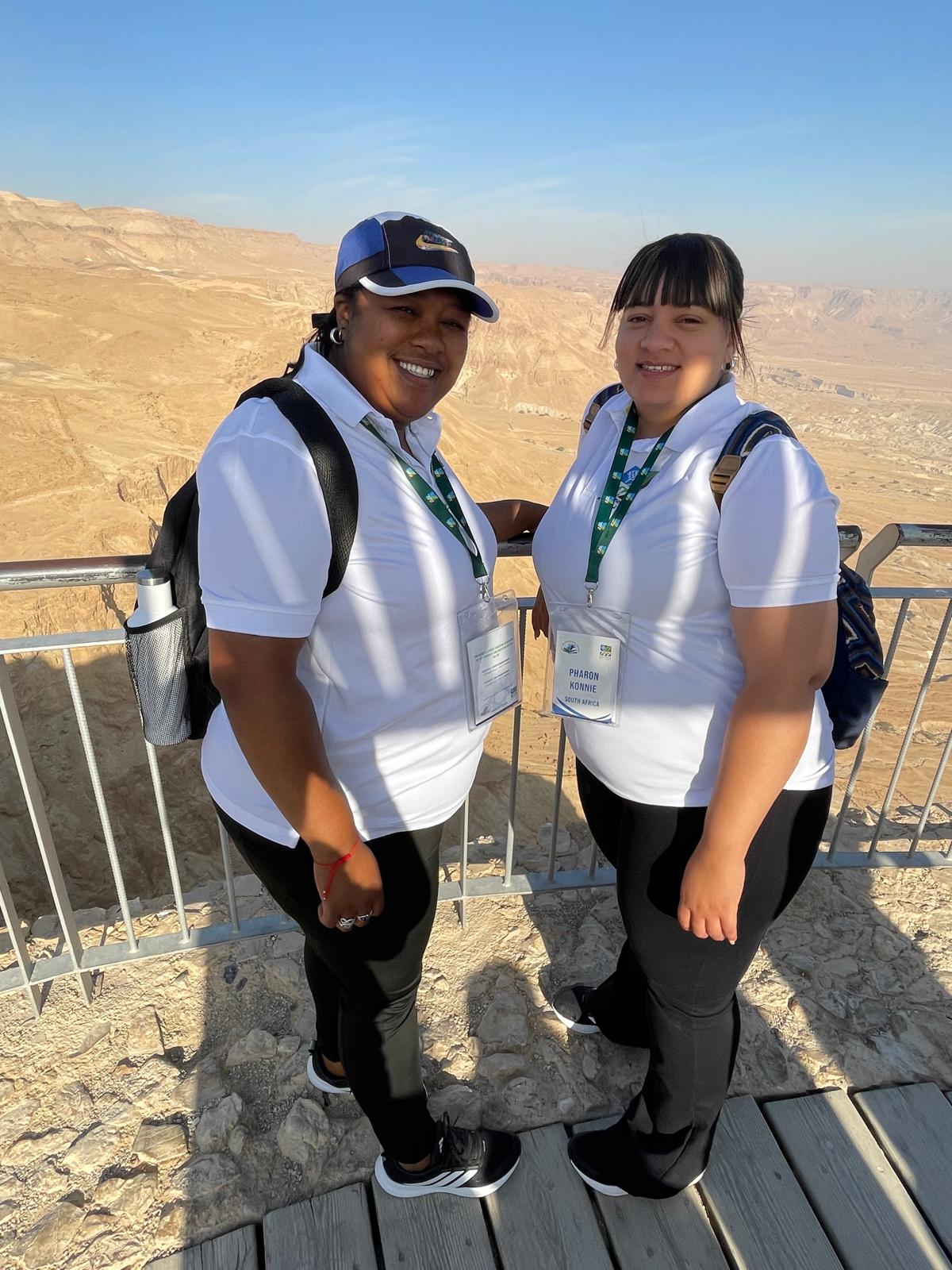
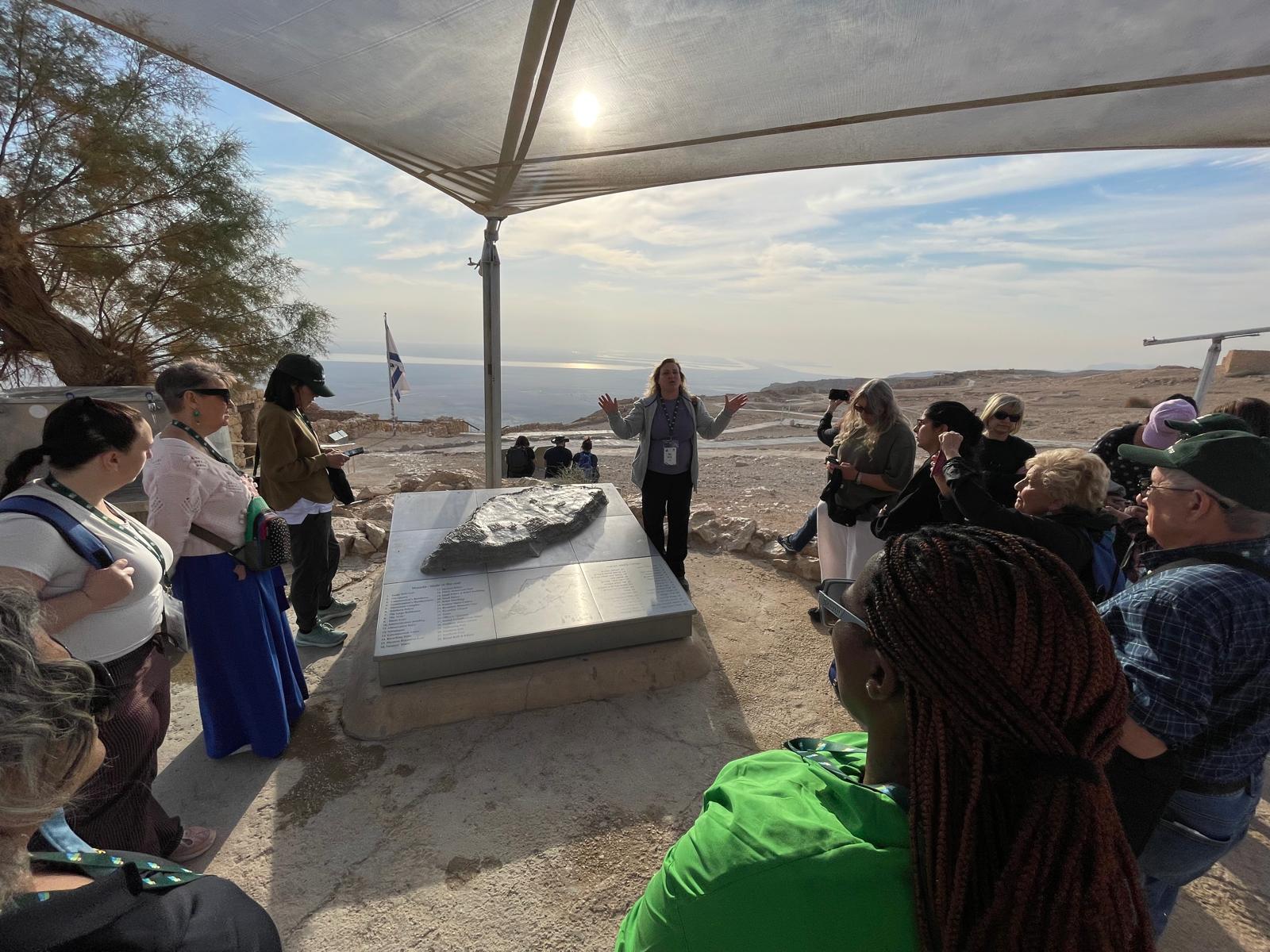
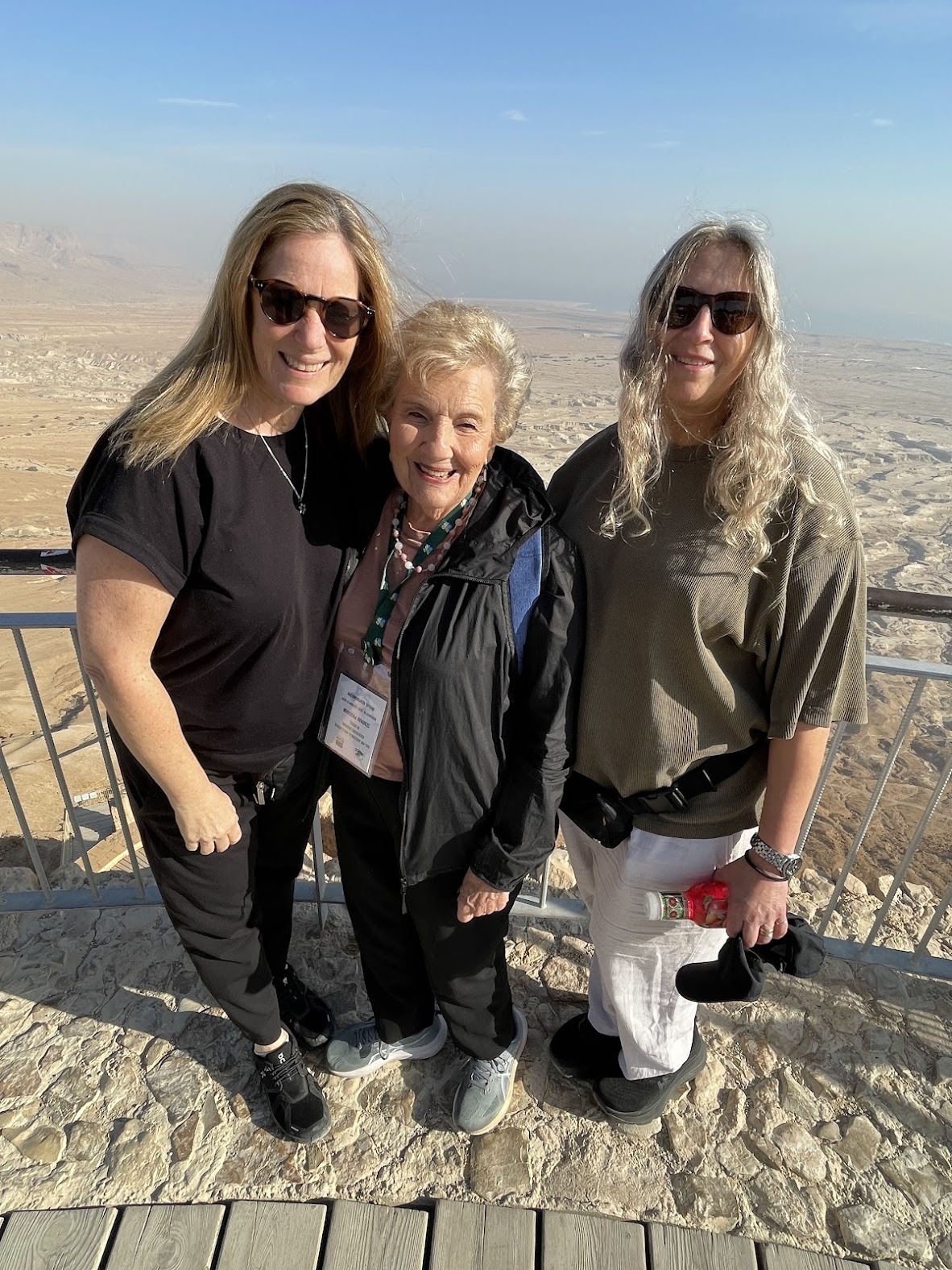
Our day began with a visit to Masada, the desert fortress overlooking the Dead Sea. We were lucky that we were able to be the first tour group to arrive at the summit, and we had the luxury of being virtually the only tourists there.
Masada began as King Herod’s palace-fortress (c. 37-4 BCE), and it featured sophisticated water systems and palaces, but it is most famous for being the site of the final Jewish stand in the First Jewish-Roman War (66-73 AD). A radical group, the Sicarii, led by Eleazar ben Ya’ir, held out for three years against the Romans, who eventually built a massive siege ramp to breach the walls. According to historian Josephus, nearly all the 960 of the Jews chose mass suicide over enslavement. Only a few women and children survived.
A lively discourse unfolded on the top of Masada as members of our group debated whether this first recorded mass suicide in history was ultimately an act of heroism and an expression of taking control over one’s destiny, or a romanticisation of a fundamentalist ideology that sanctioned violence in order to further ideals.
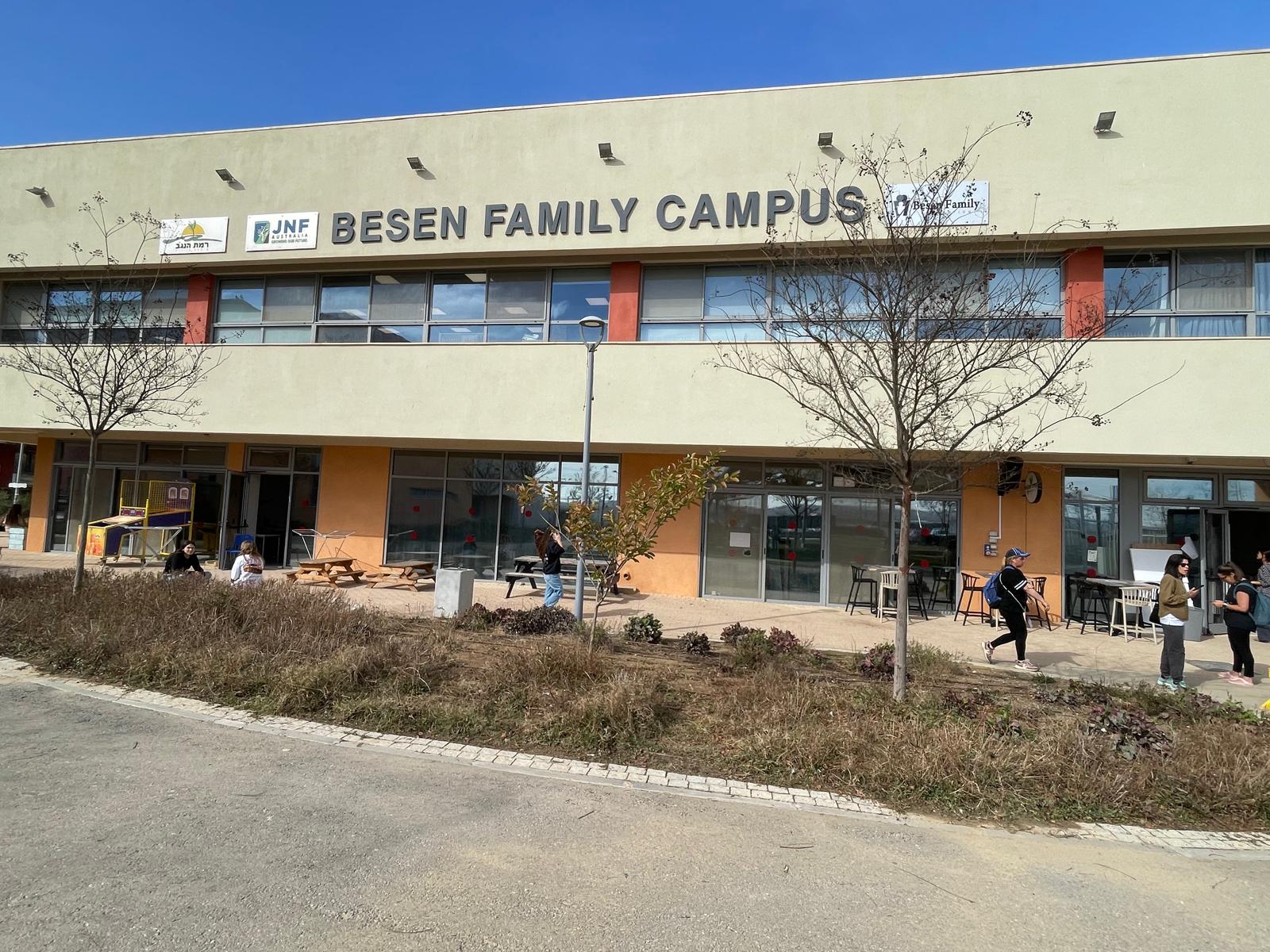
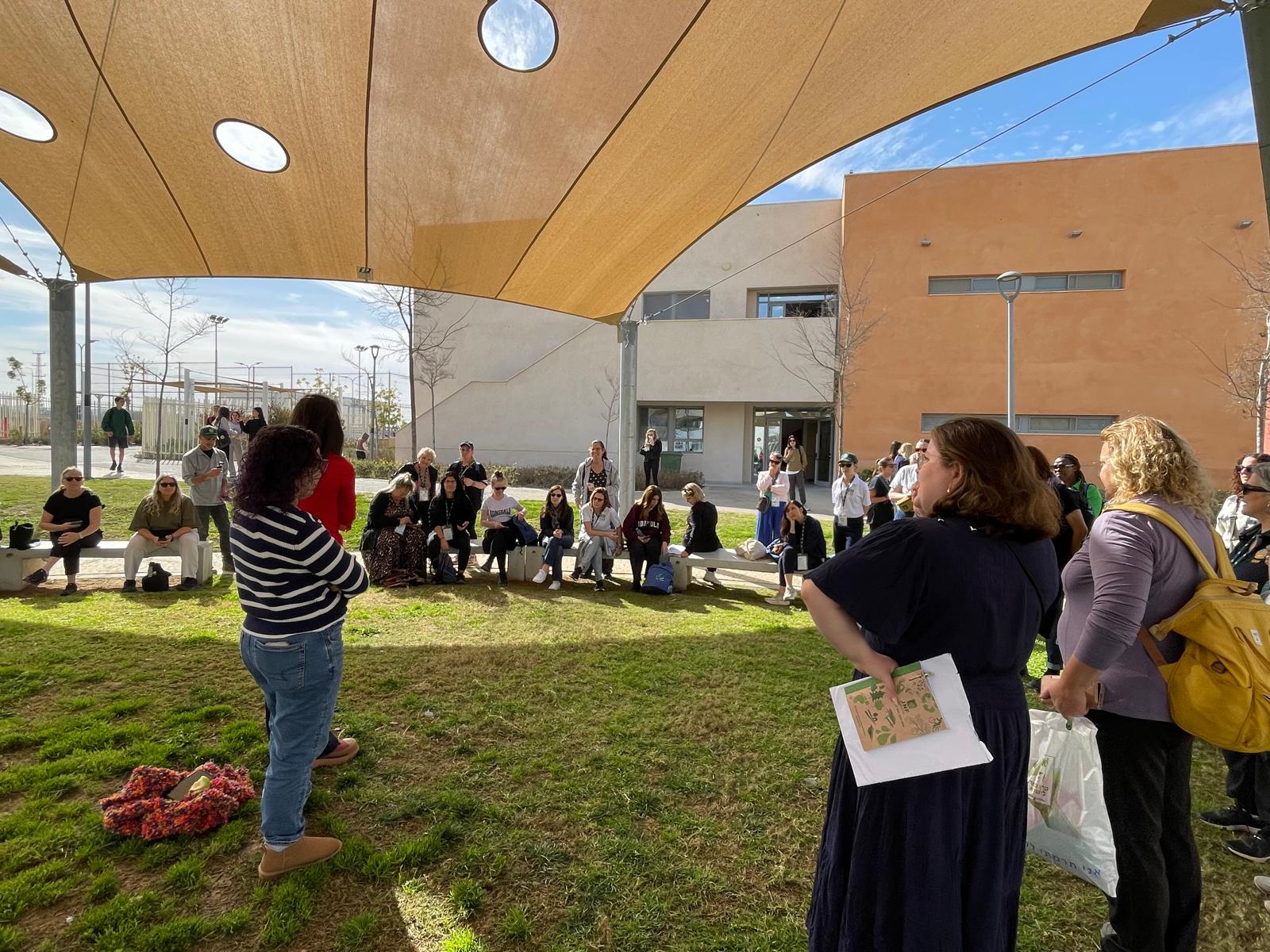
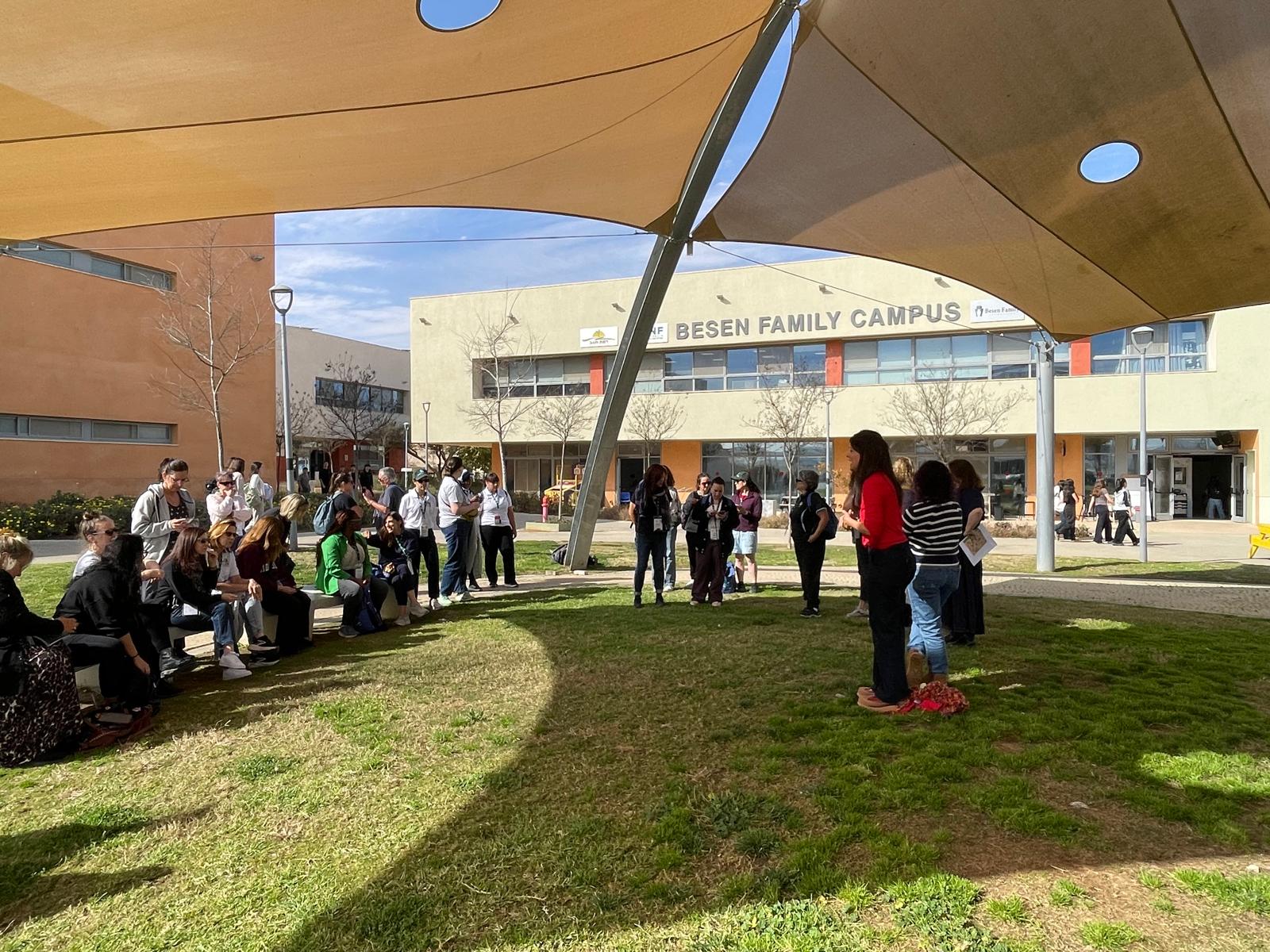
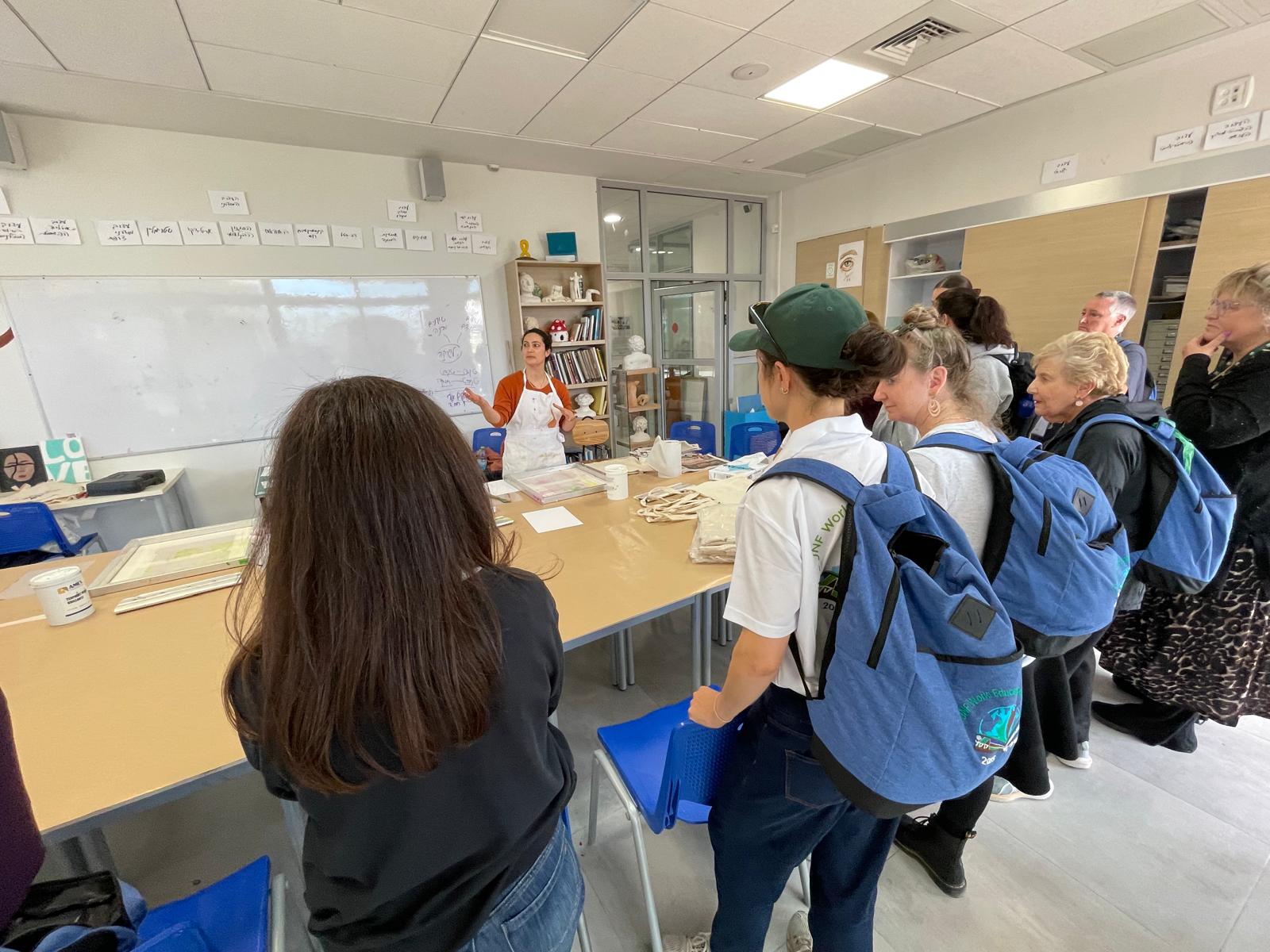
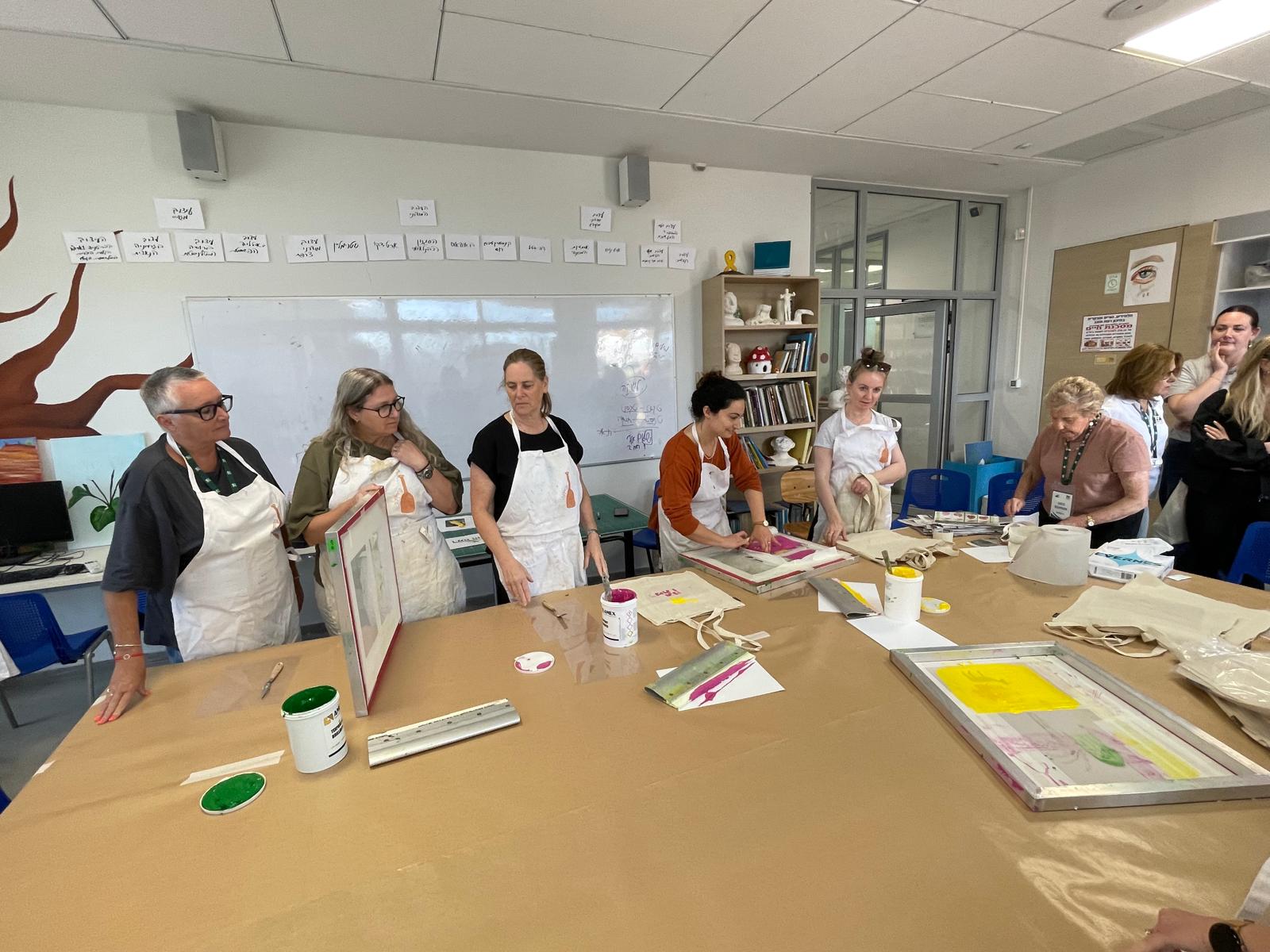
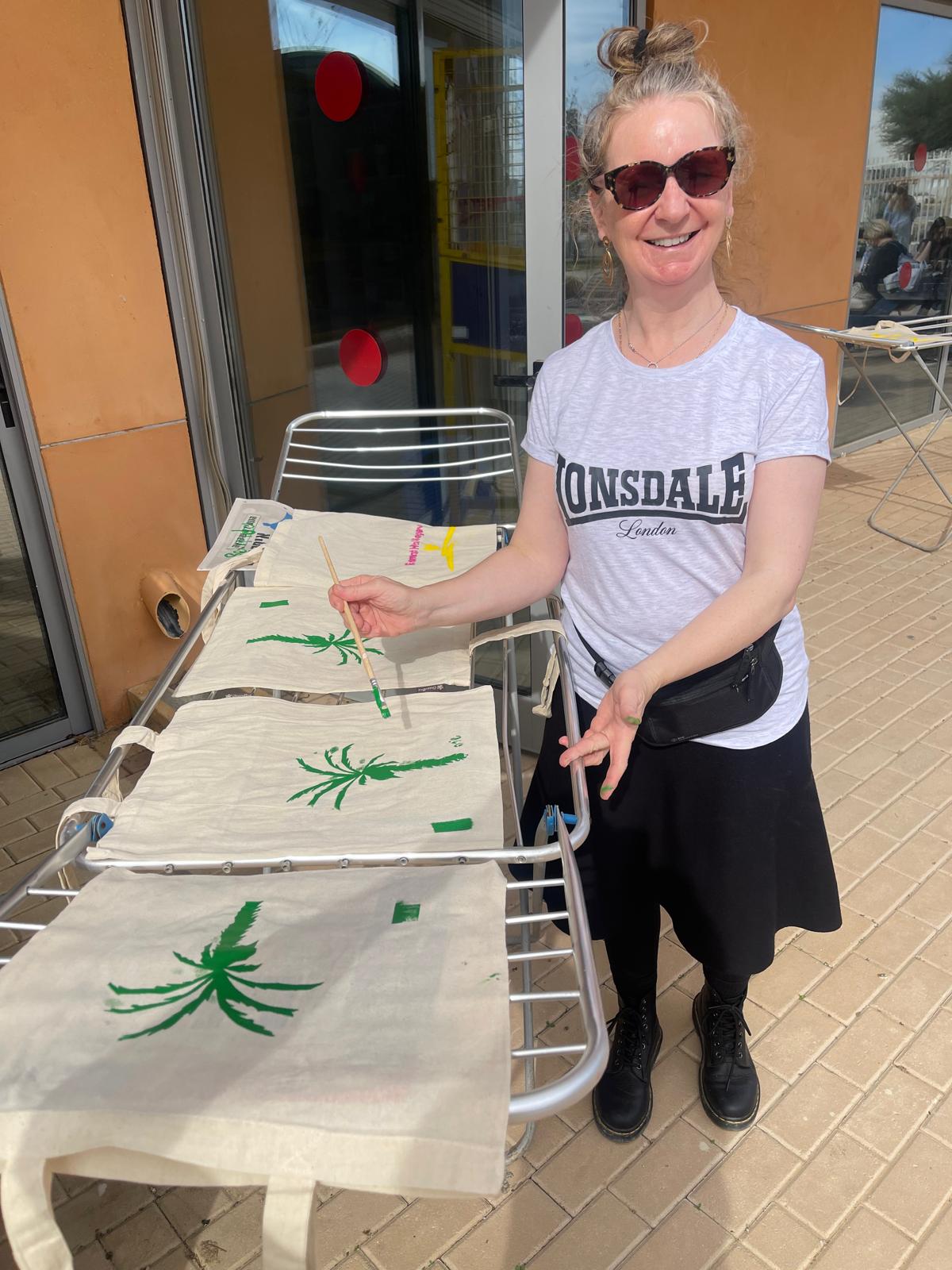
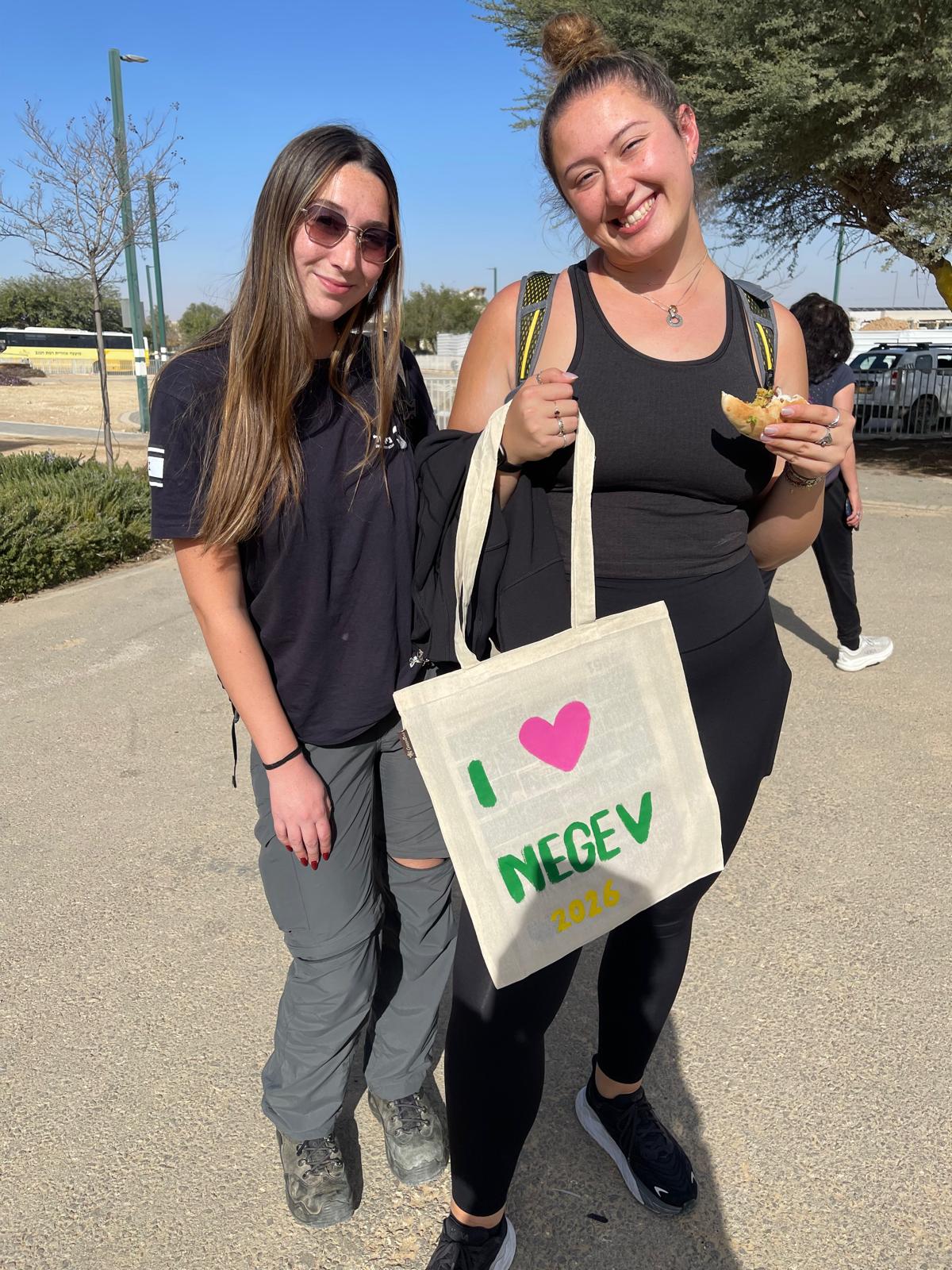
We then had a fun bus ride to a school in Ramat Hanegev – the Besen Family Campus. This high school was built 7 years ago and is located in the largest regional council in Israel. It covers 22% of the land of Israel but has only 10,000 residents. We broke into groups – one group did screen printing, and the other group heard more about the school and its values.
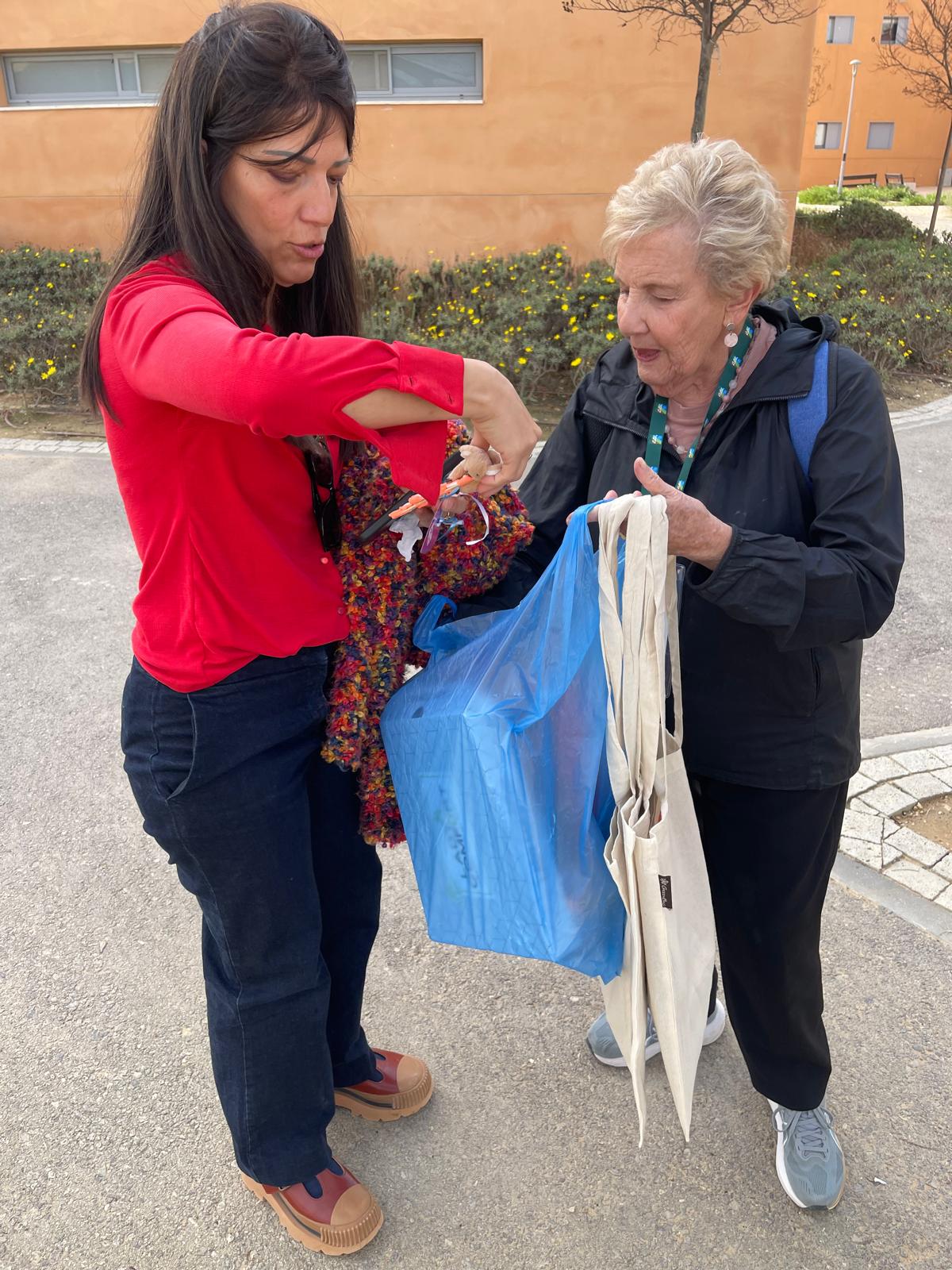
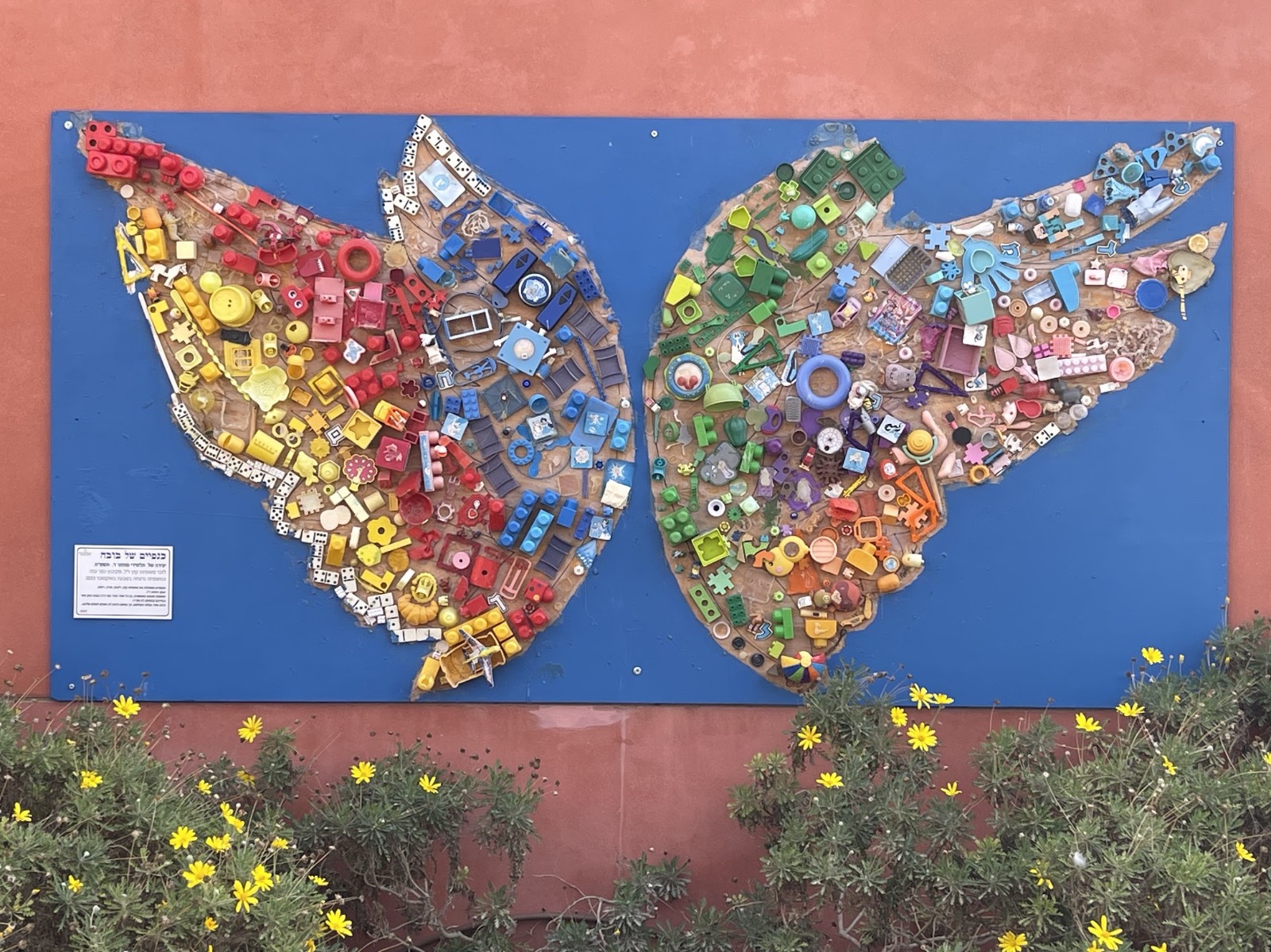
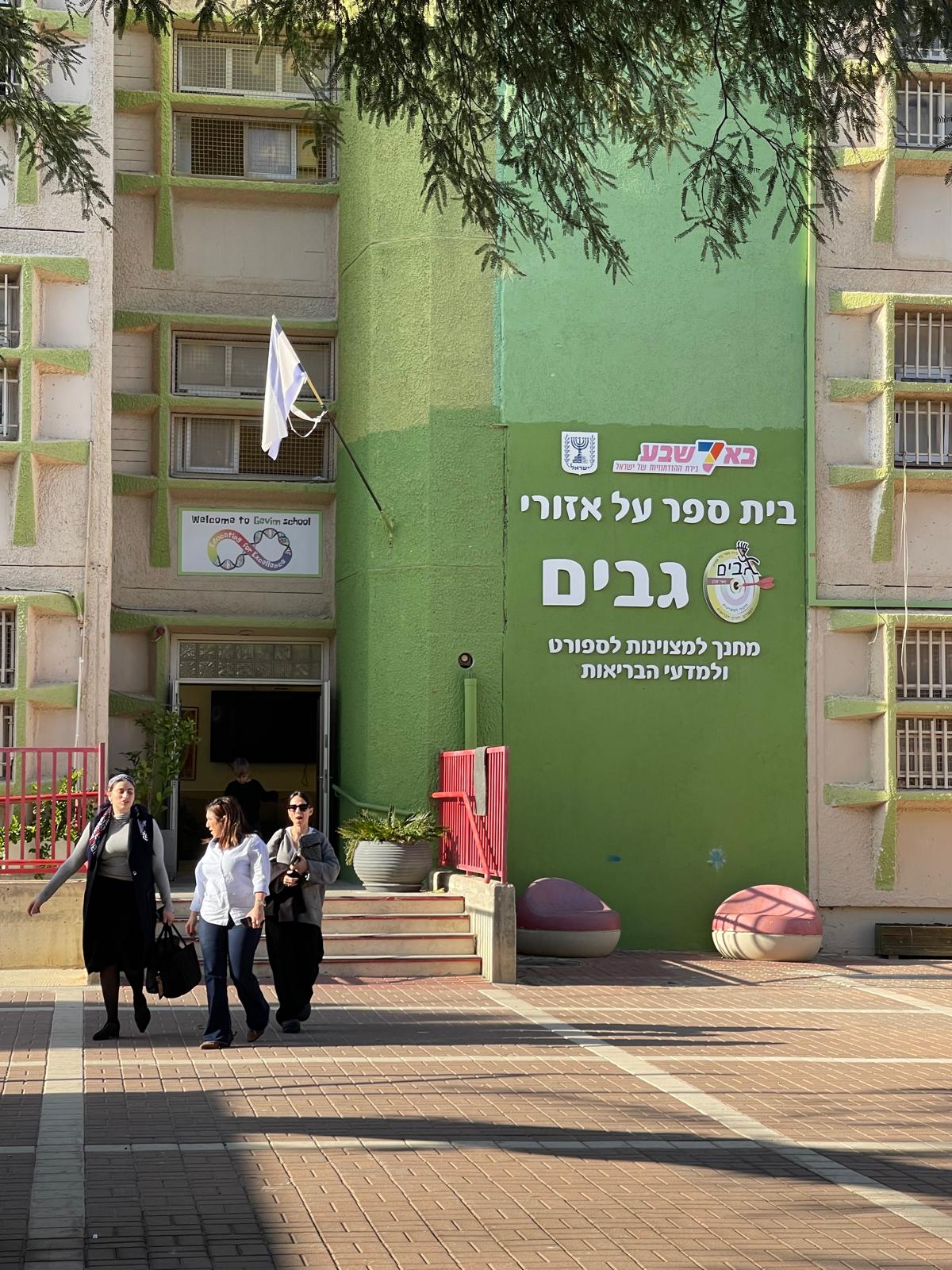
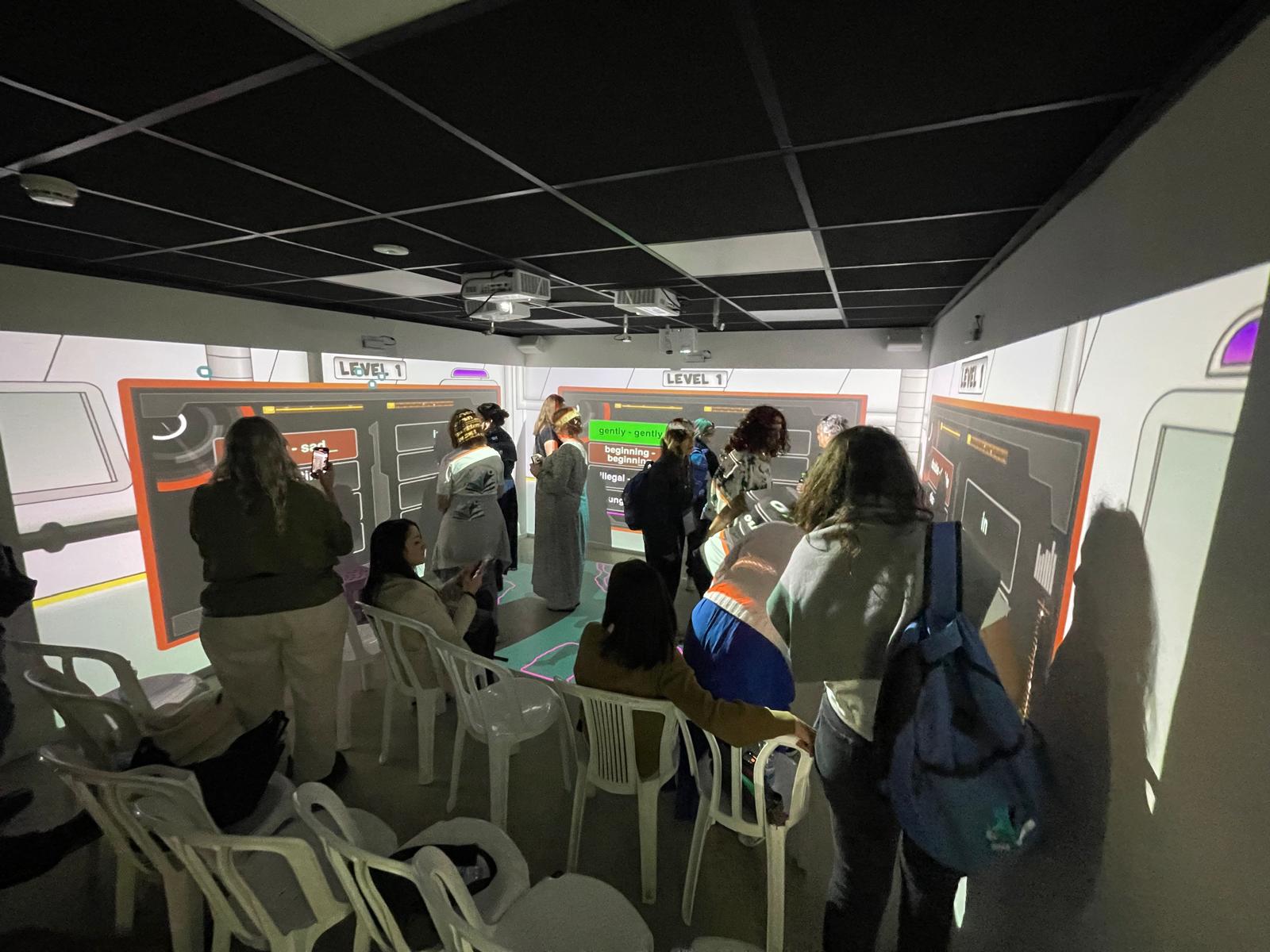
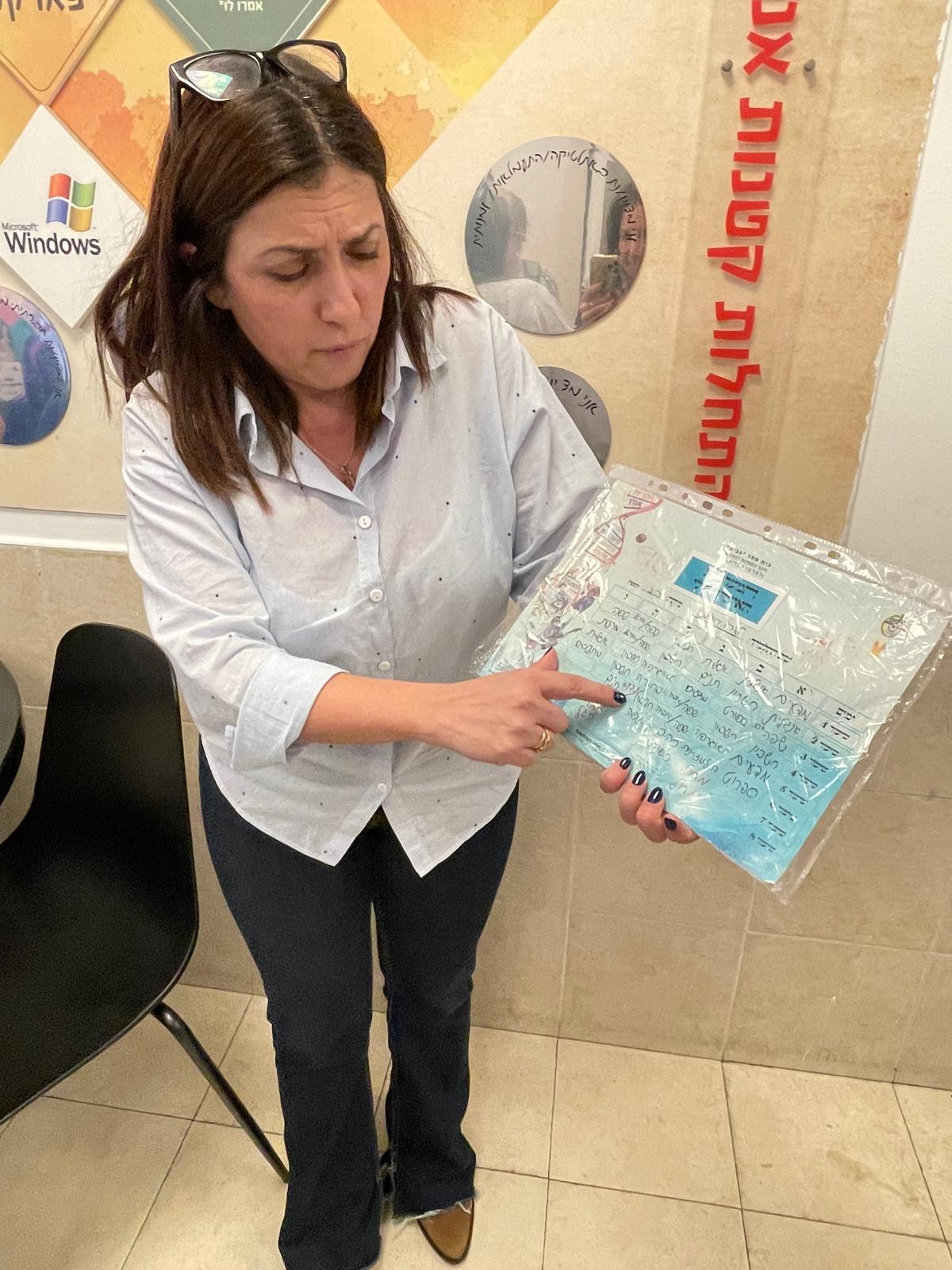
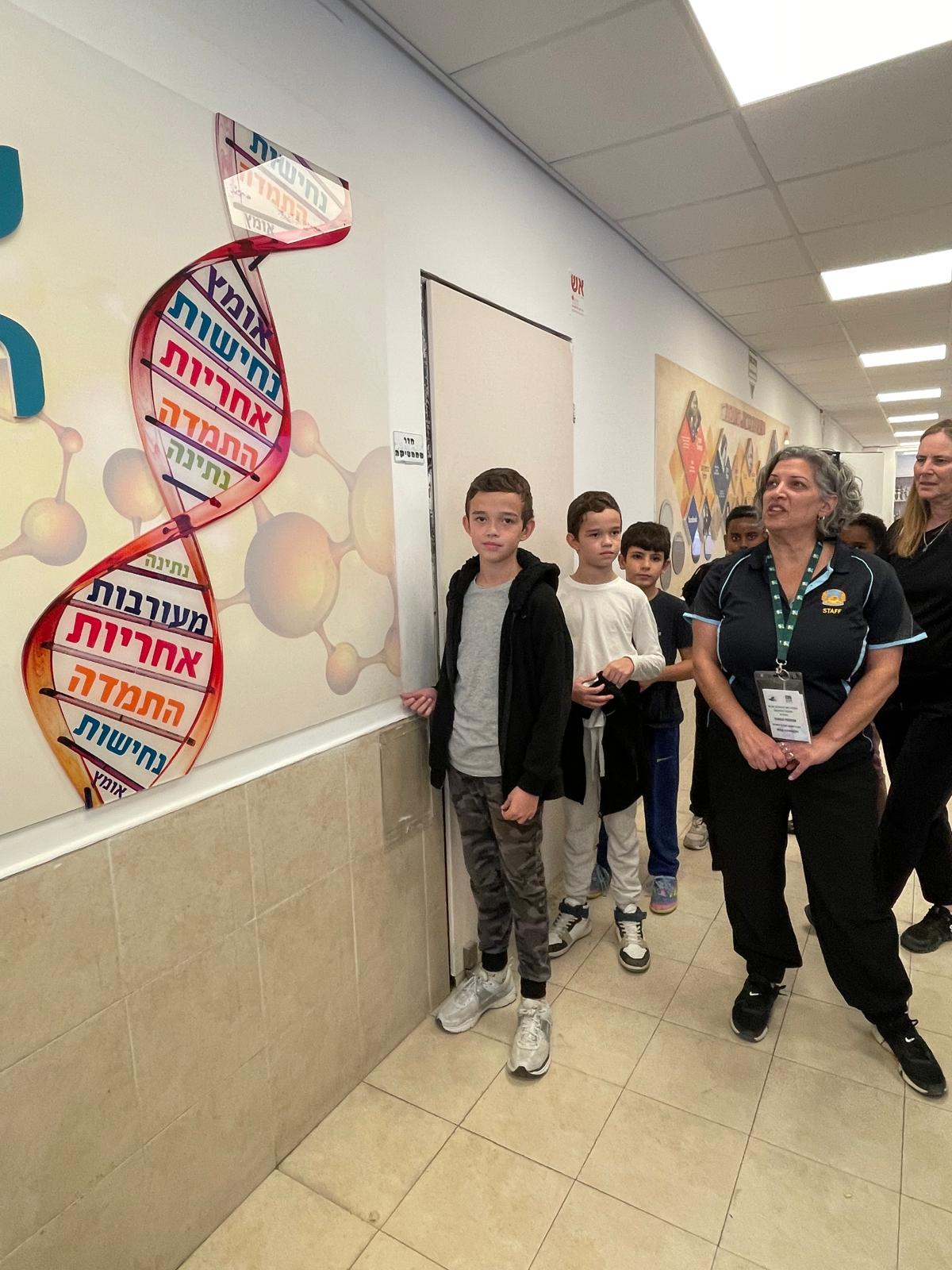
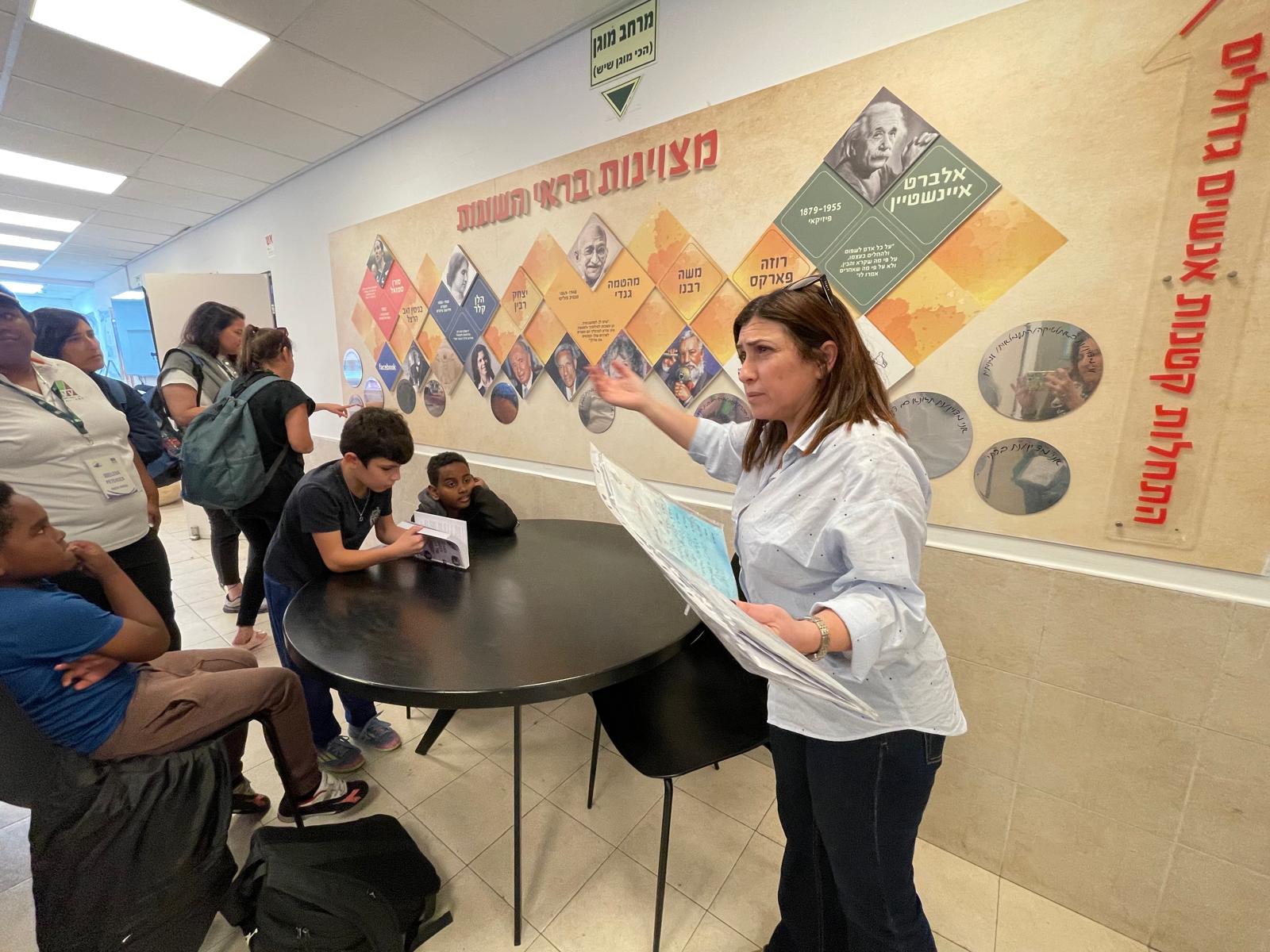
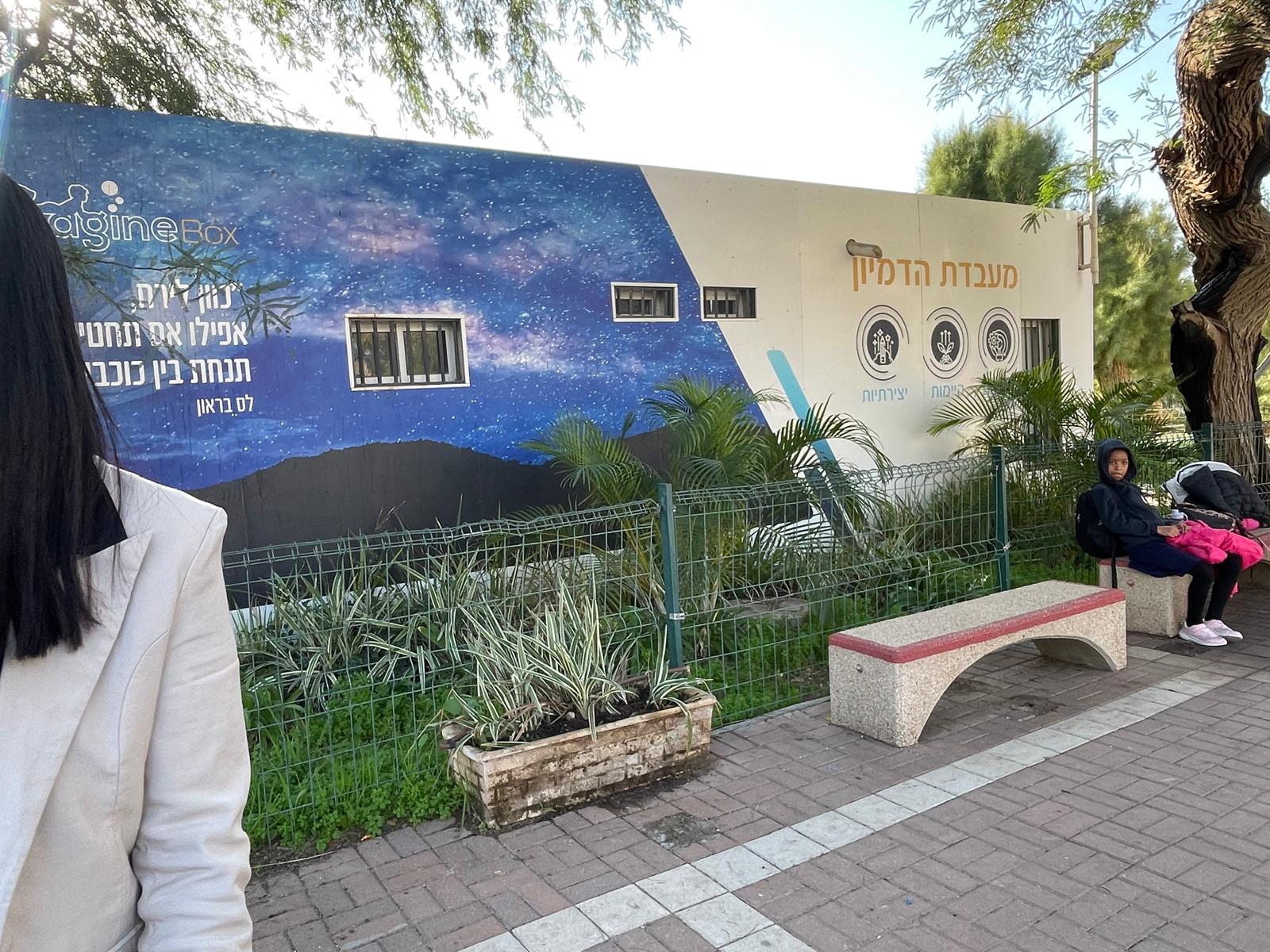
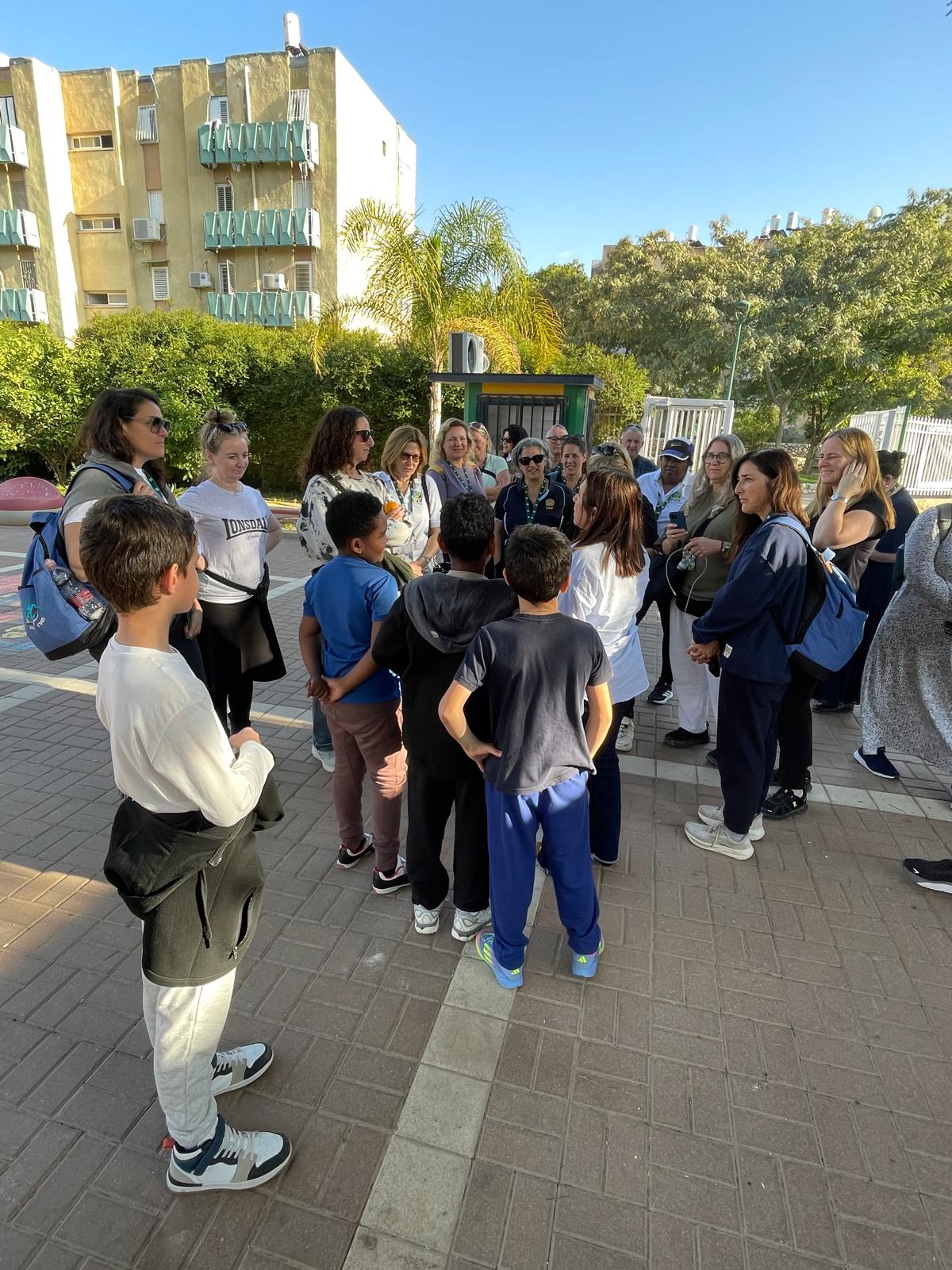
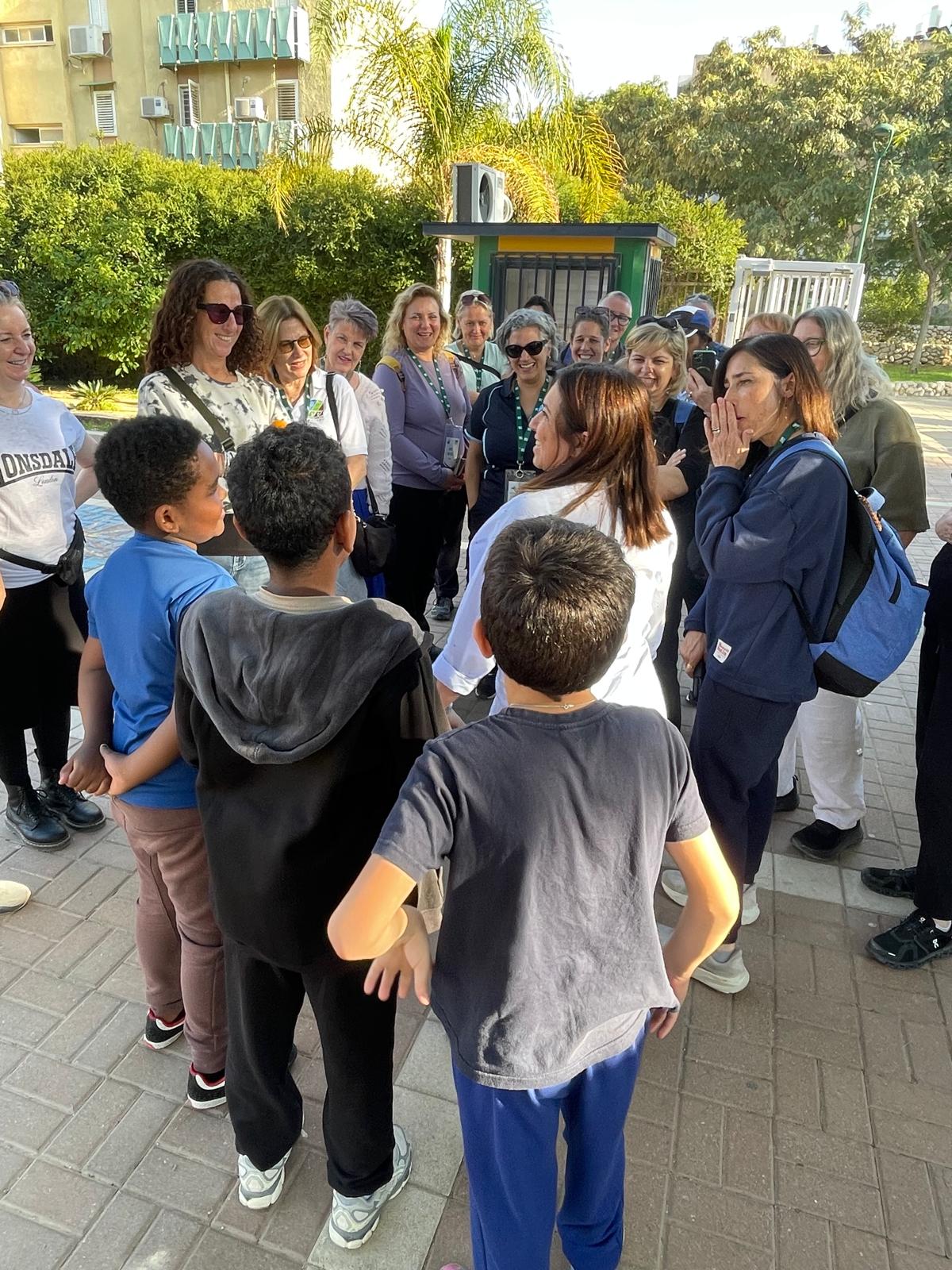
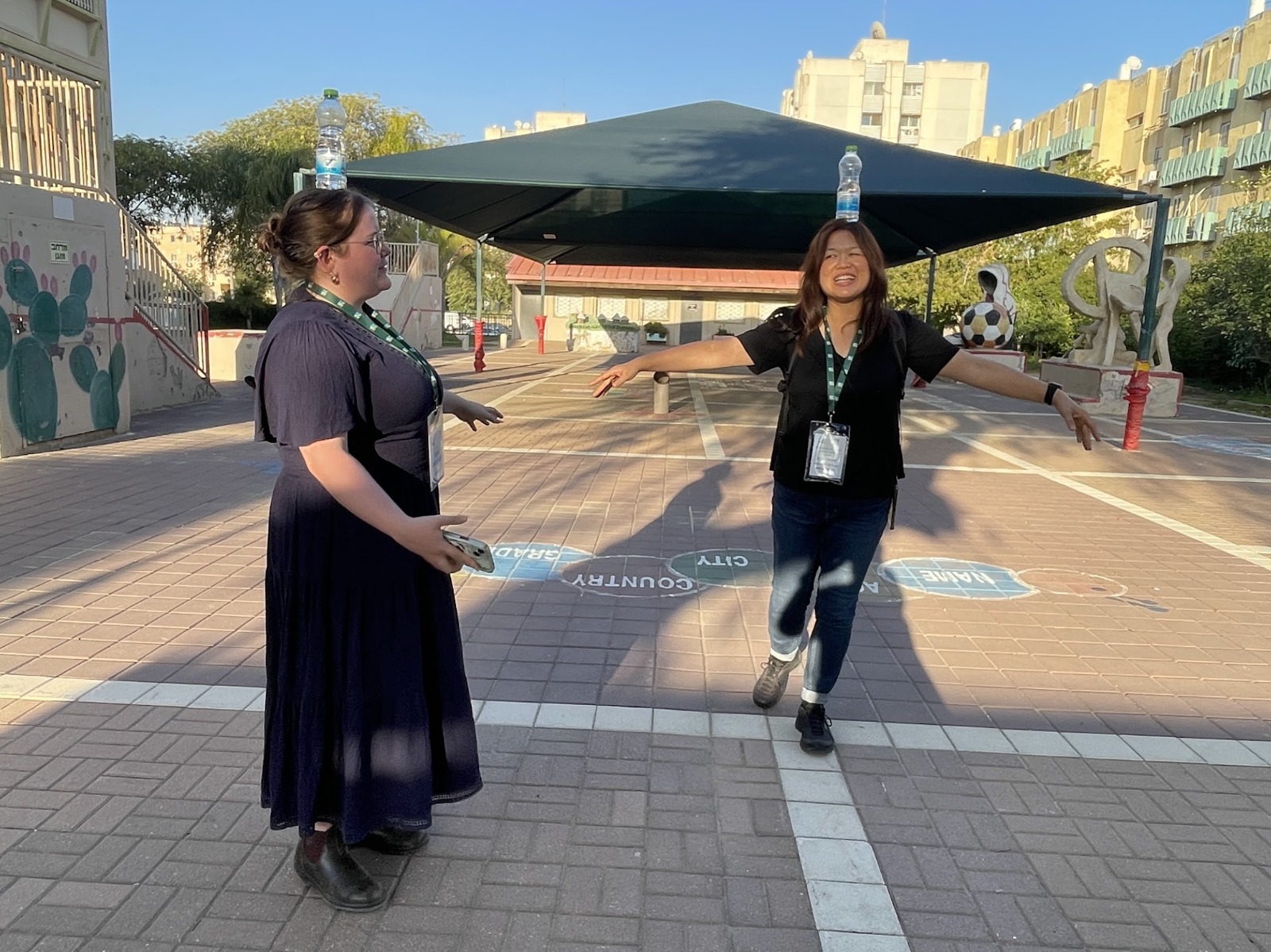
We then had the privilege of visiting a most astonishing school – Givim School in Beersheva. The principal Yifat, is a passionate and inspirational educator who is not only devoted to her students but has curated a centre of excellence that serves a very disadvantaged population. It is located in a poor neighbourhood, and 40% of the students have Ethiopian heritage, and 50% of the students come from families of Soviet Union backgrounds; 90% of the students do not have Hebrew as a mother tongue. The school has a number of goals which include closing the educational gap and providing a space where the children can feel safe, secure, nurtured and inspired. The curriculum is highly individualised and is focused on recognising each student’s strengths, so each child is able to develop a sense of pride and a sense of confidence, maximising the possibility of fulfilling their full potential.
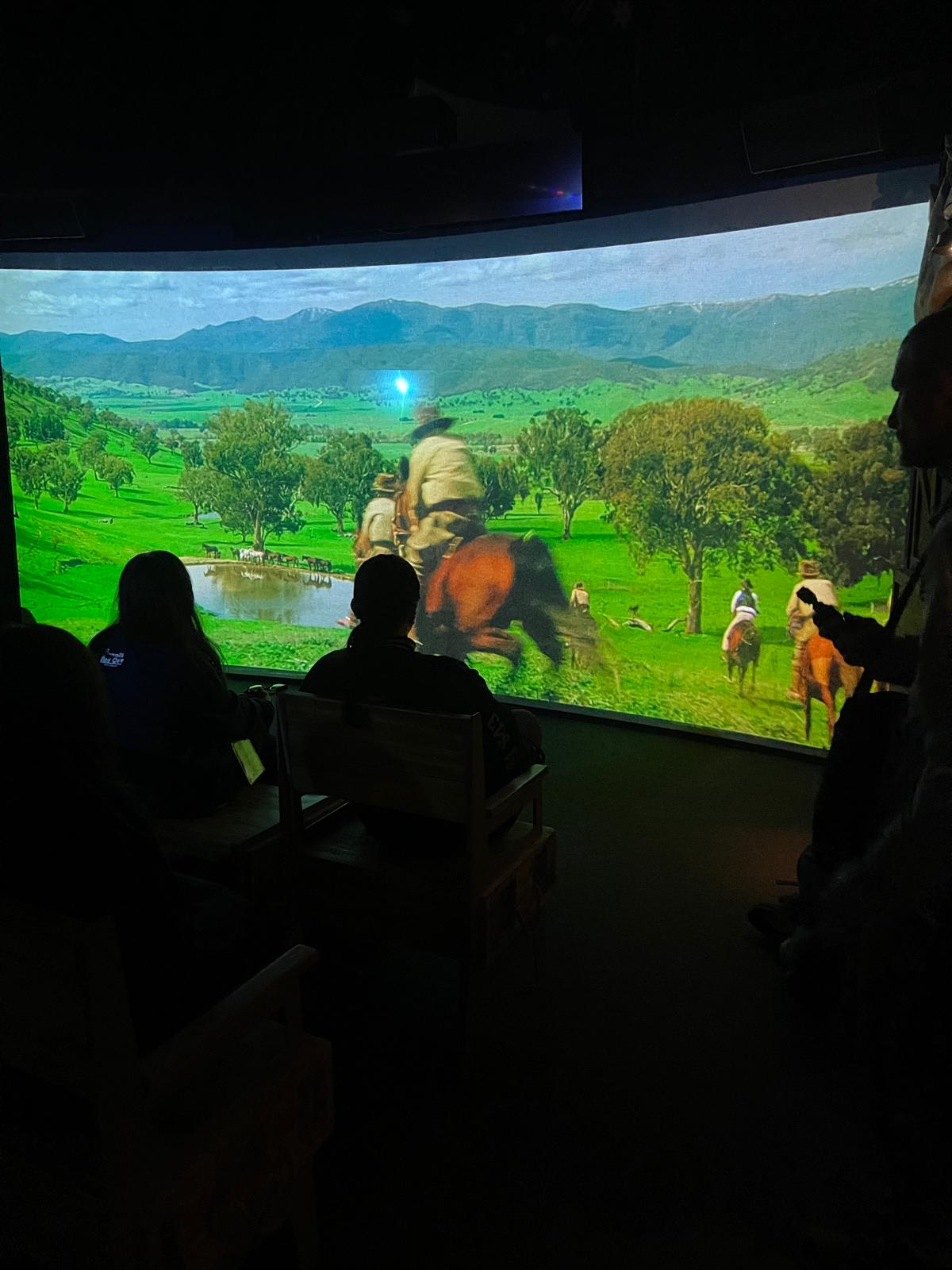
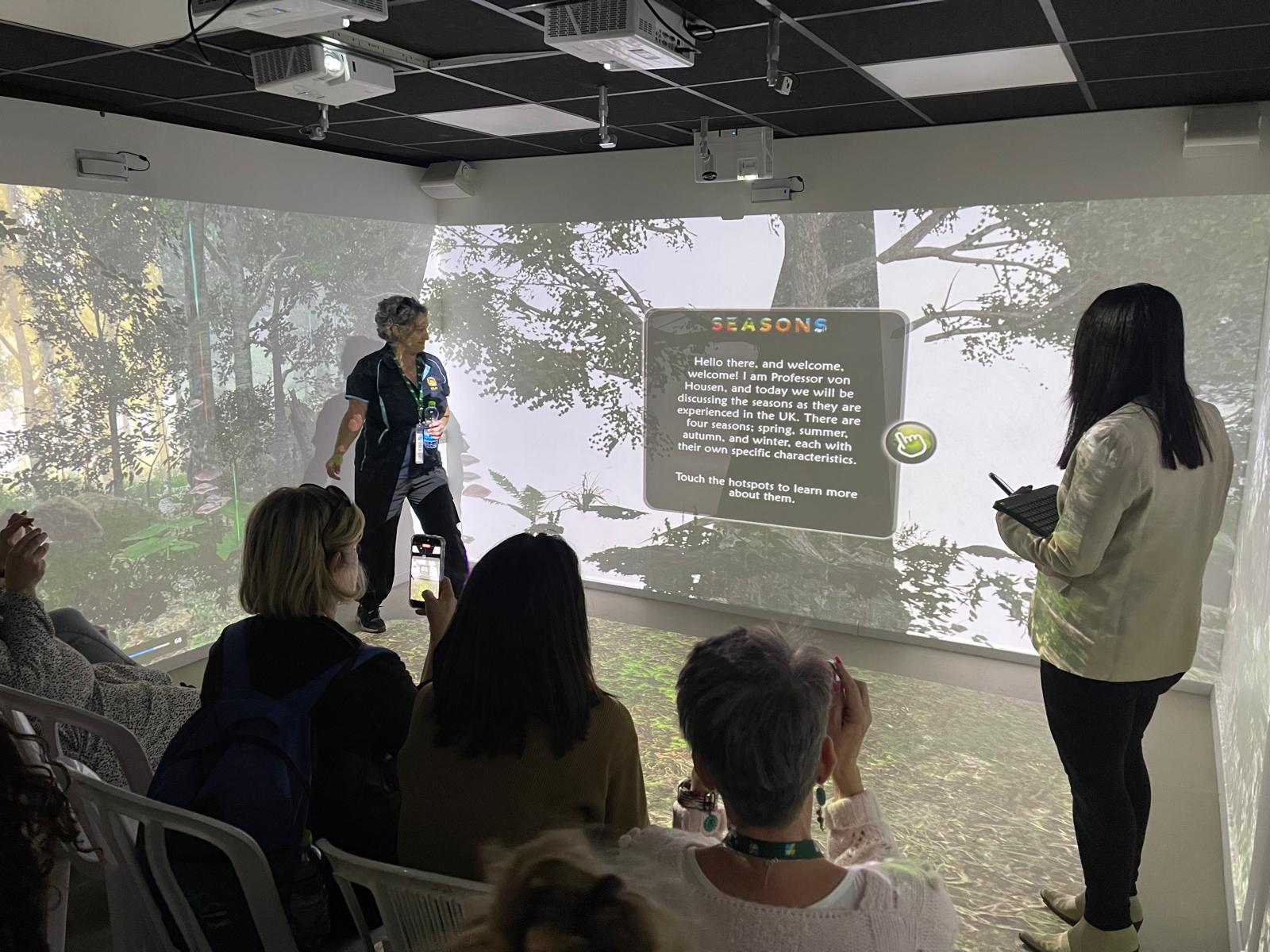
We also had the opportunity to experience the ImagineBox that they have at the school, which is an innovative educational space that enhances learning across the curriculum.
It seems that each person in our group was deeply touched by our visit to the school and felt inspired by what we witnessed and what is possible.
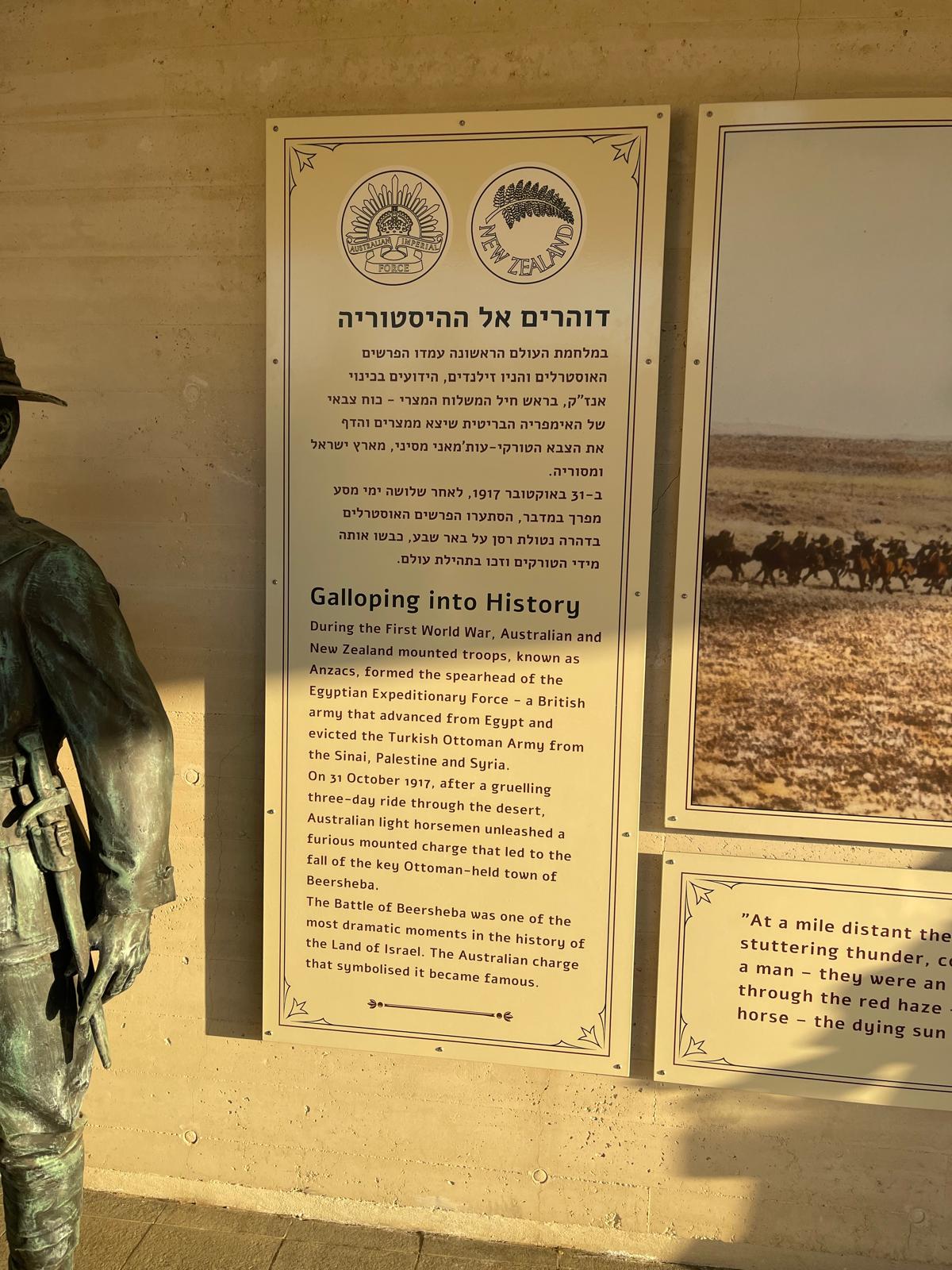
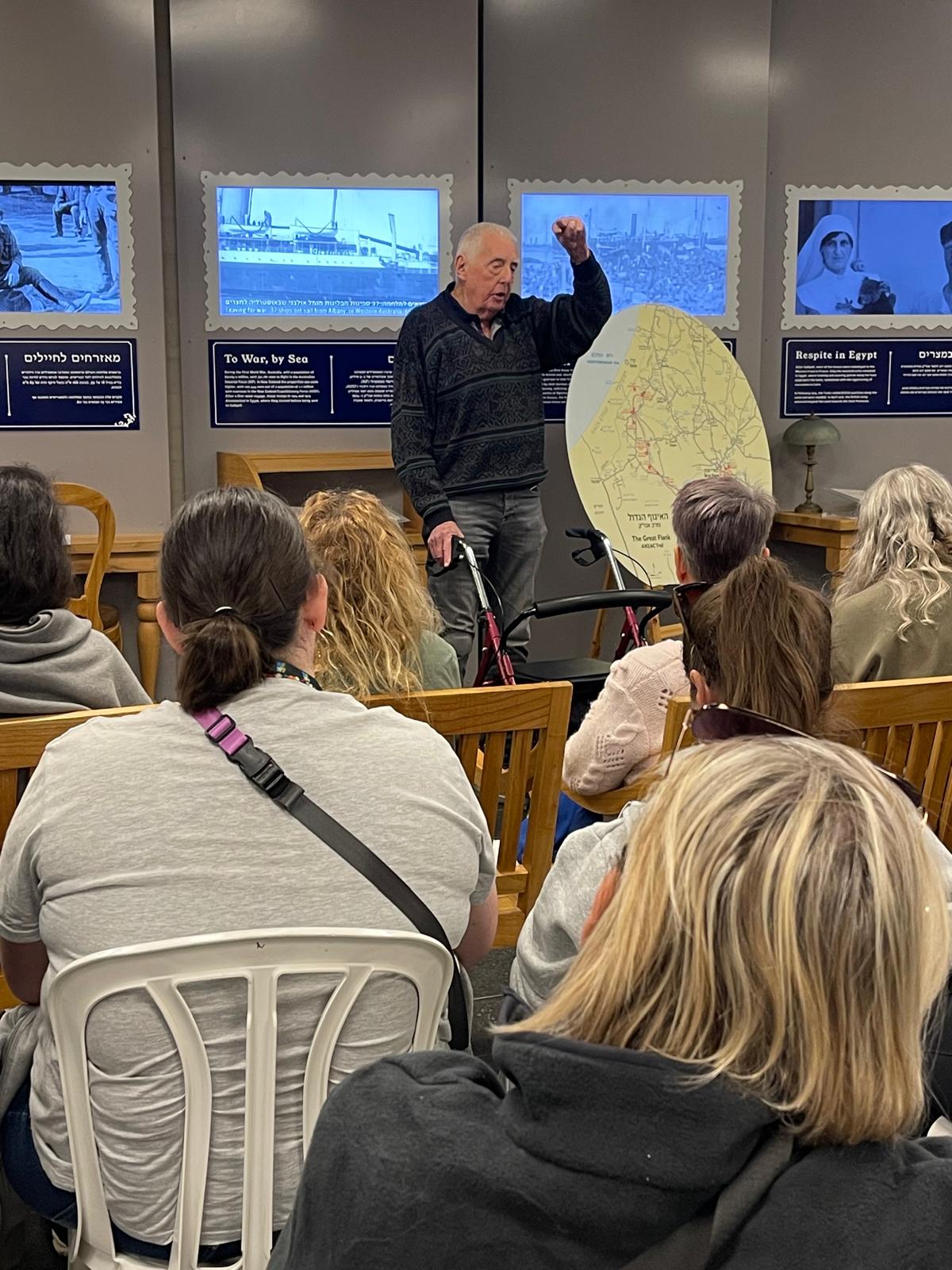
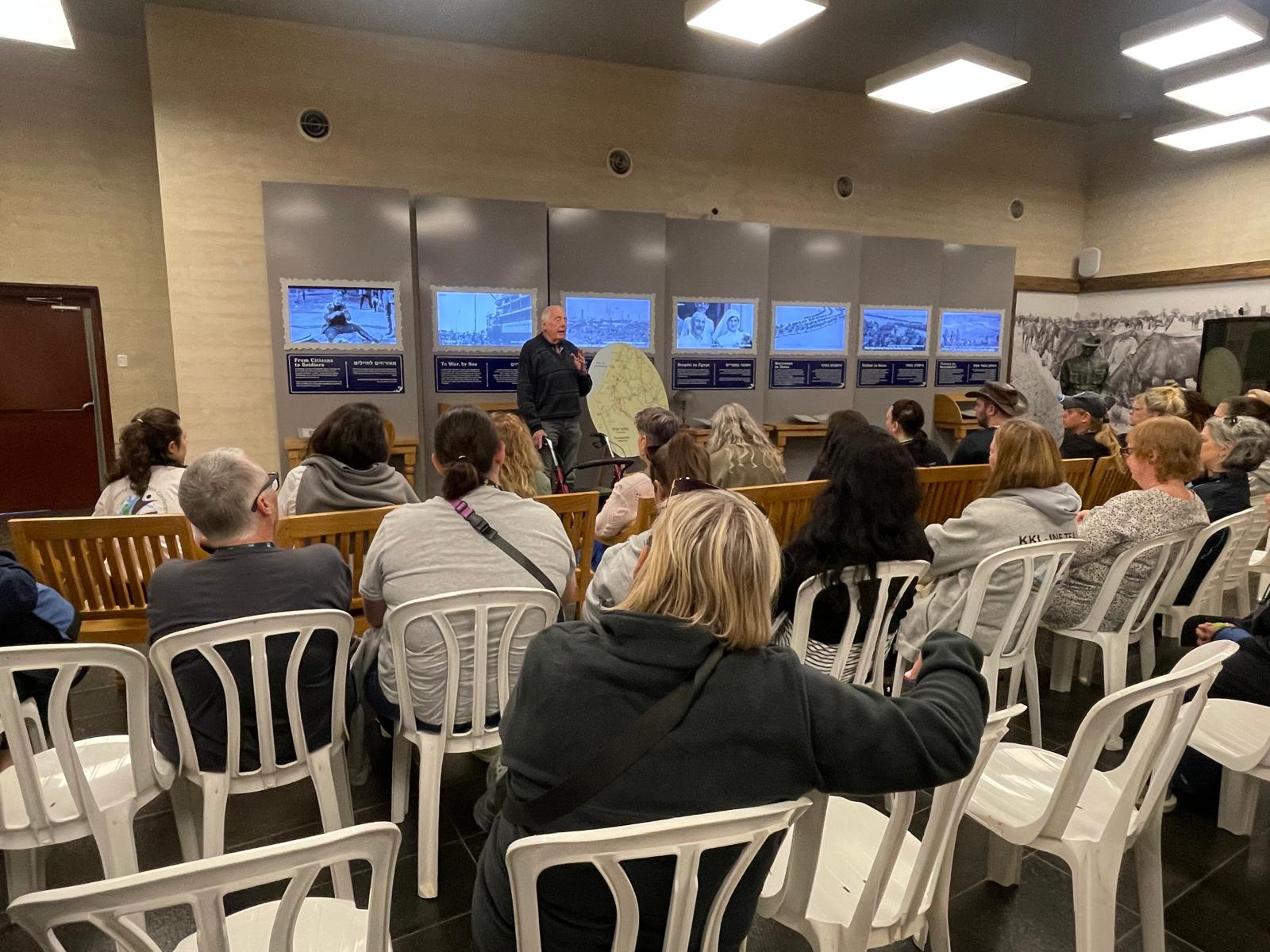
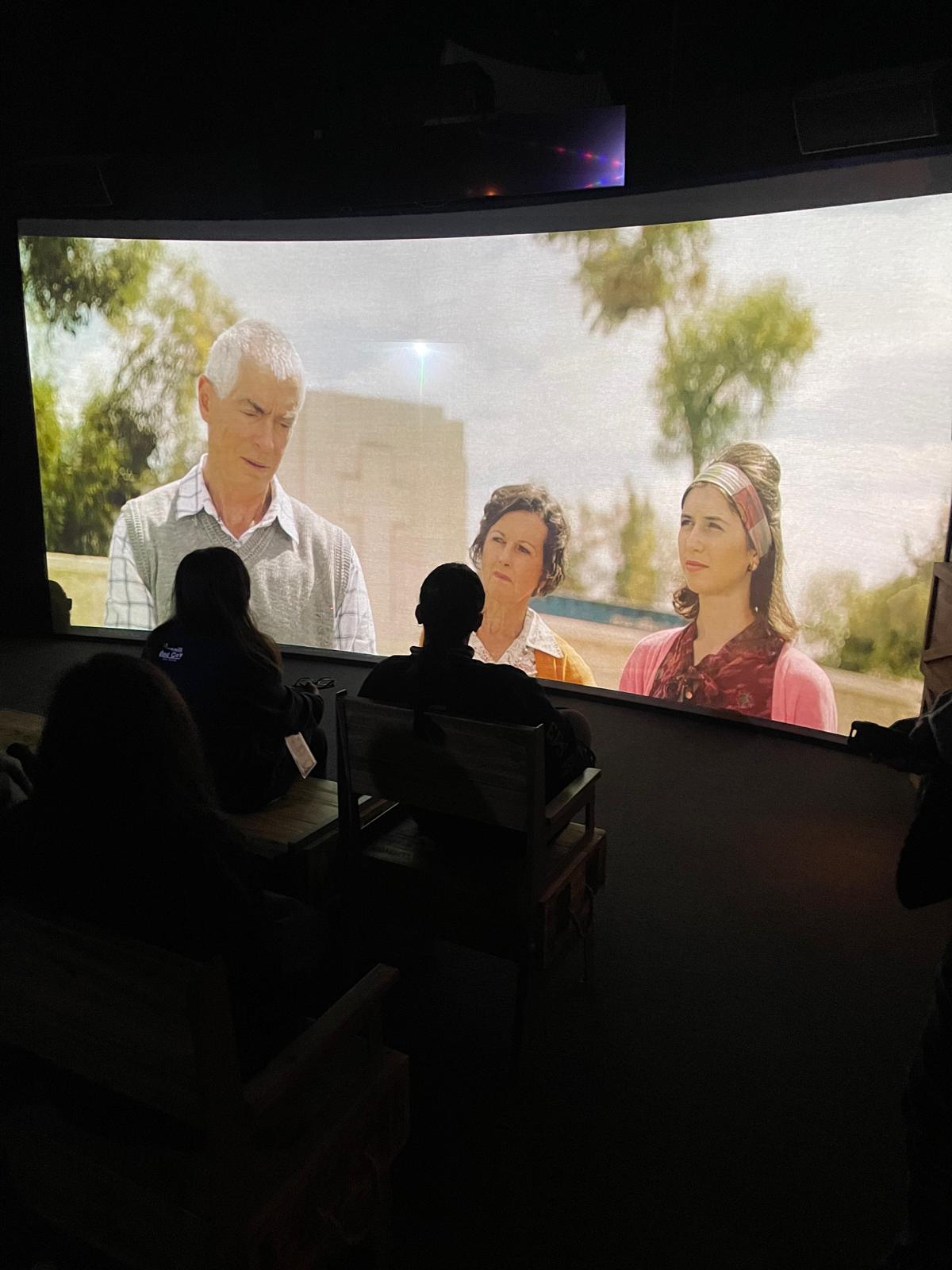
Next stop was the ANZAC Museum in Beersheva. During the First World War, Australian and New Zealand mounted troops known as ANZACS fought alongside the British army. The Battle of Beersheva on October 31st 1917, was a pivotal World War I victory for the ANZACs in which they conquered Beersheva and captured the strategically vital water wells from the Ottoman Empire.
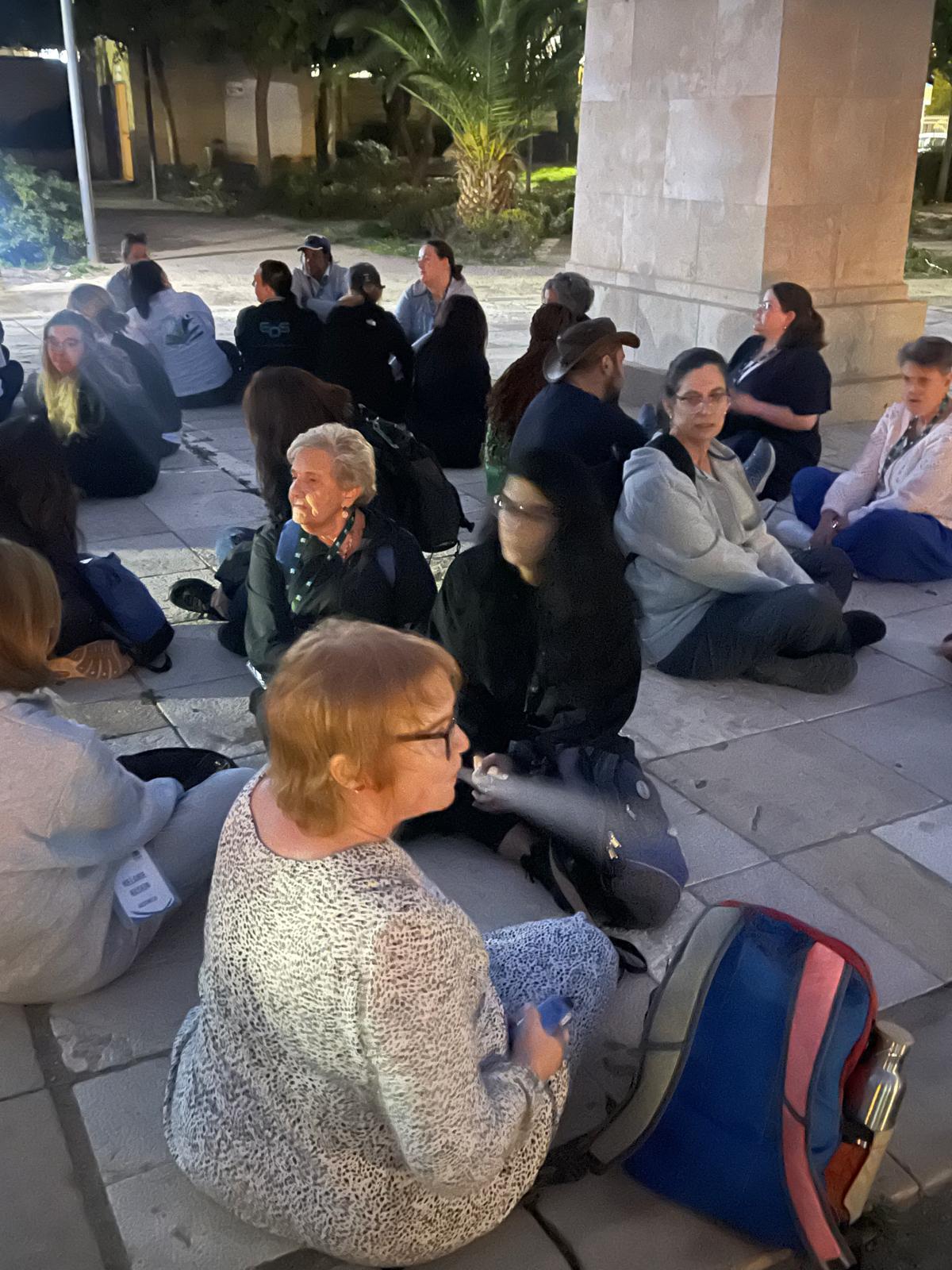
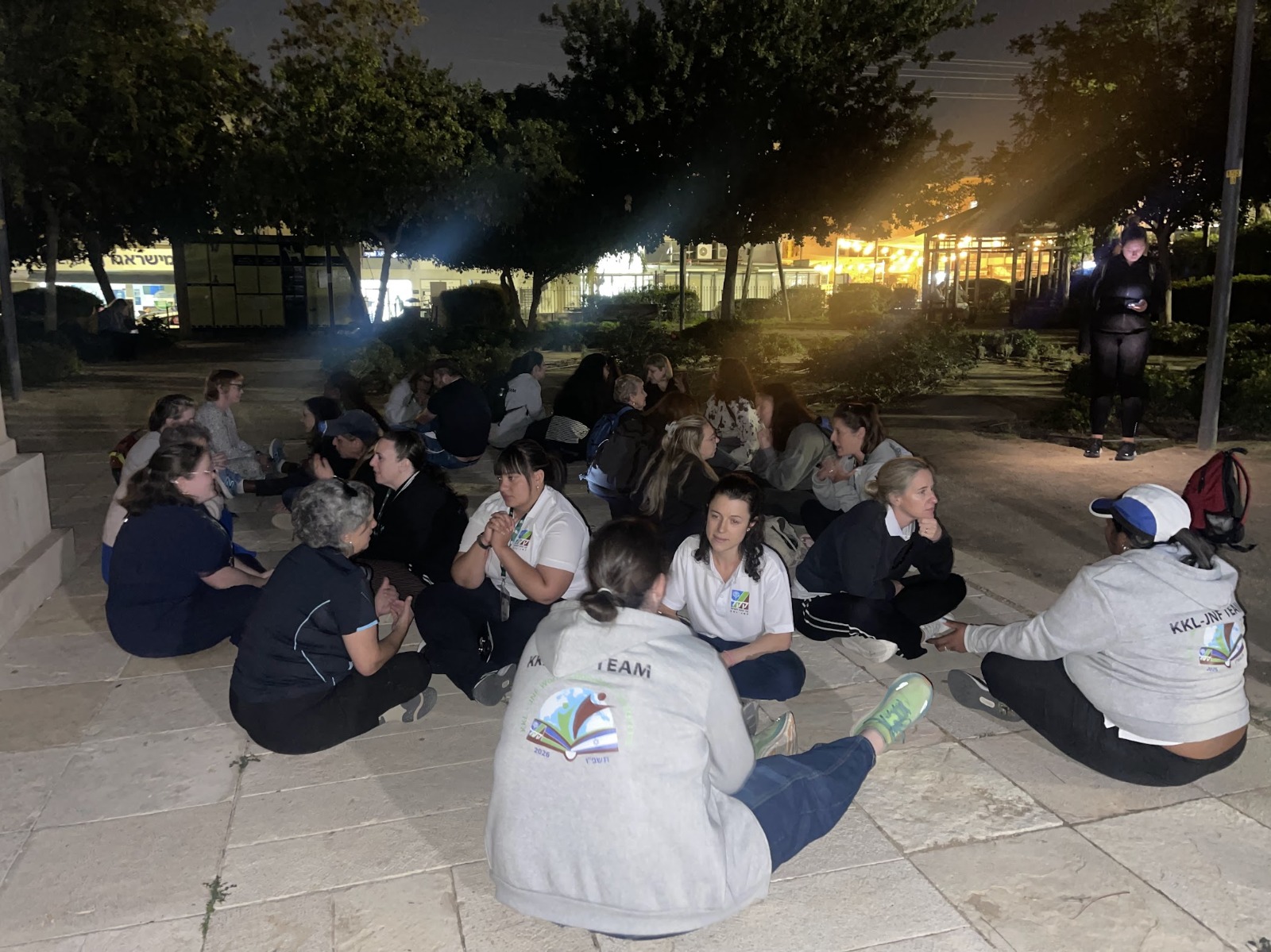
We then walked to a nearby park and, in rotating pairs, reflected on the various impacts the tour has had on us.
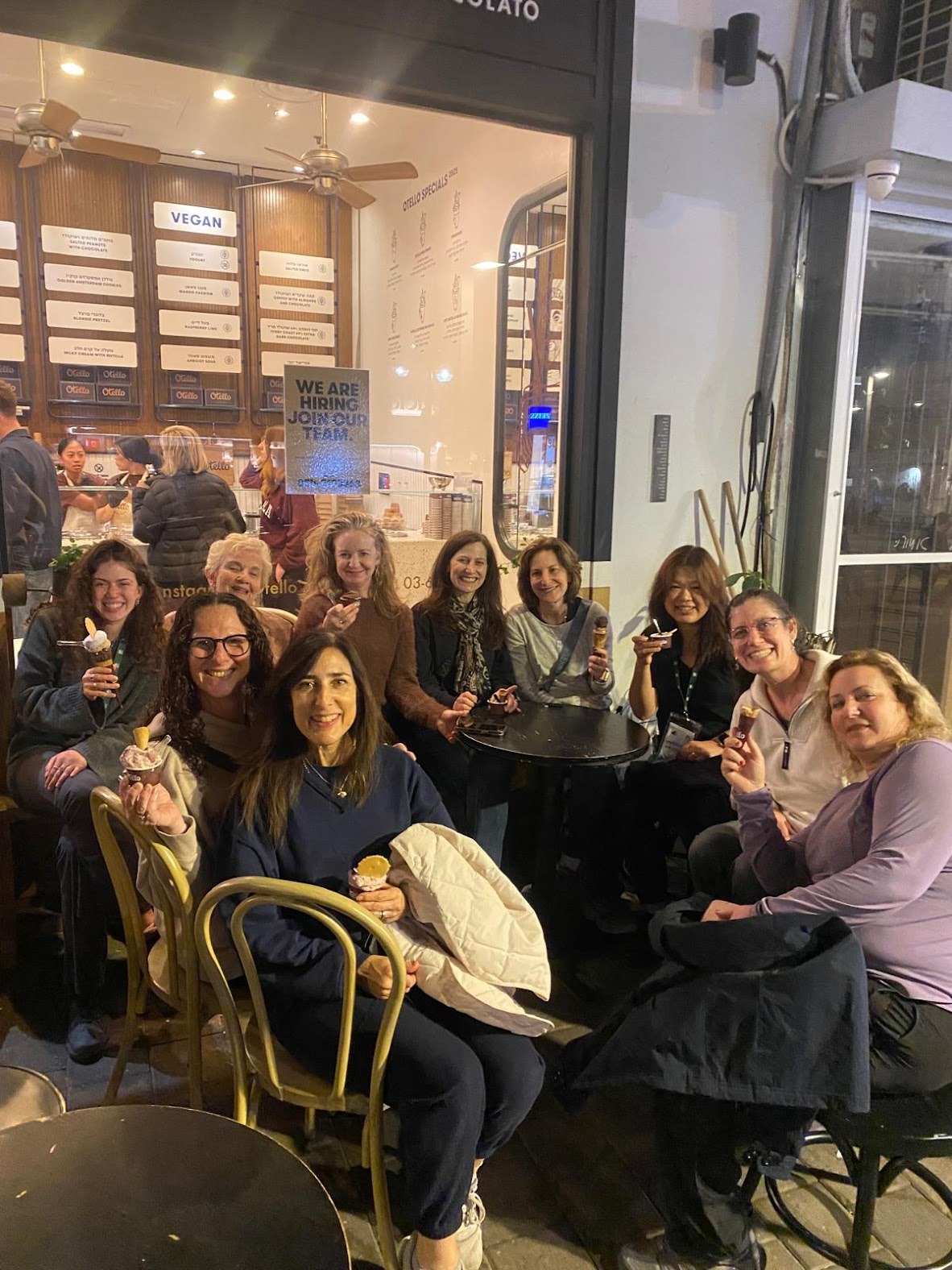
Dinner at Butchery was yet another abundant gastronomic experience!! We sat together, thoroughly enjoyed the wide variety of delicious dishes, and perhaps more importantly, enjoyed each other’s company and built our connections.
The experiences that we had today (and every day since we started the tour) are etched in our memories. These memories will hopefully guide our thinking and actions as educators – we have the capacity to impact the lives of our students as well as the lives of all the people around us.
We now have a better understanding of the country and its people – the pain of the past, ancient and recent, and the passion, the vision and the hope for the future of Israel and the Jewish people.
Belinda, Janice and Elana