Day 8
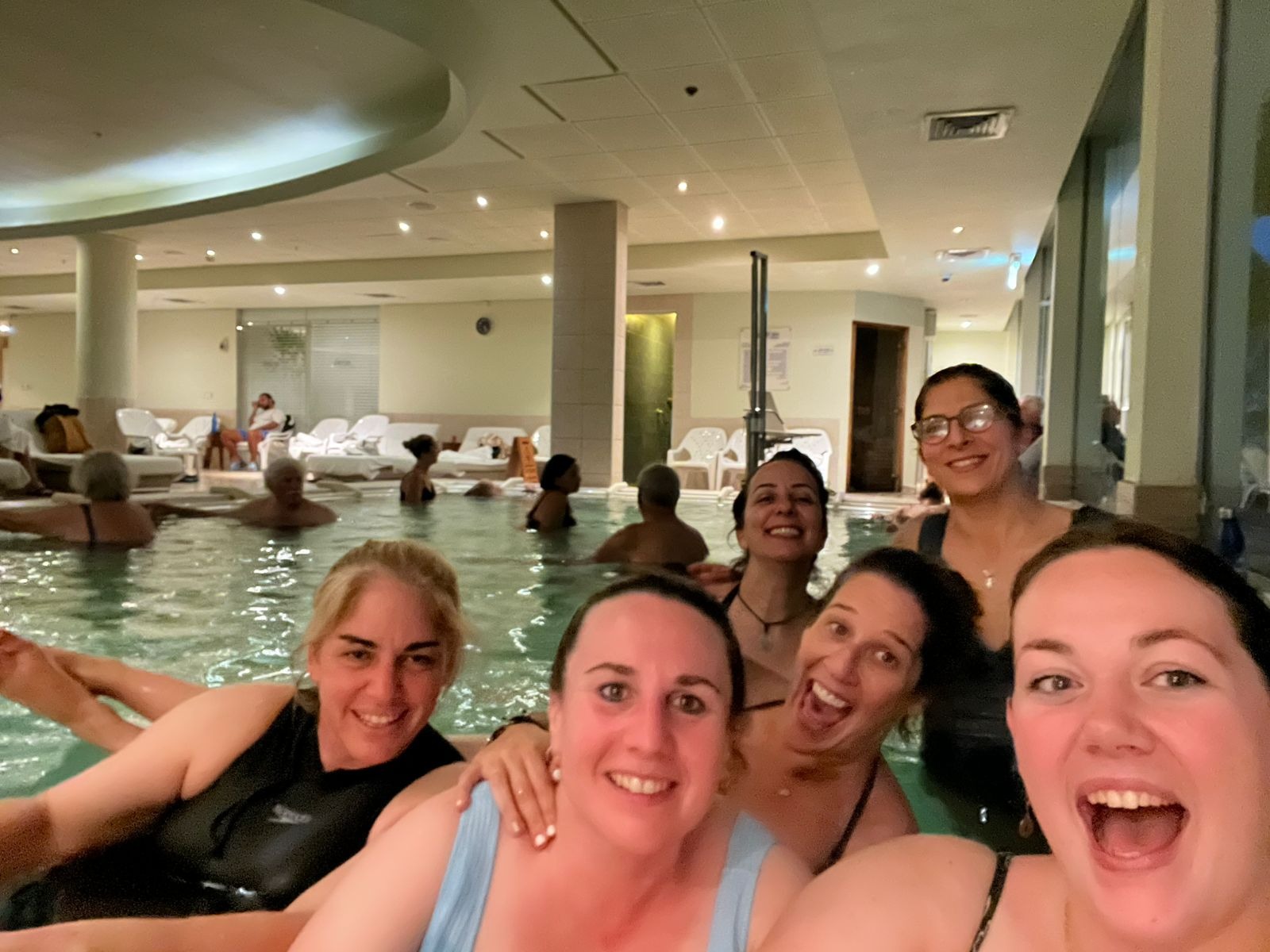
Arava and the Dead Sea brought so much knowledge and joy!
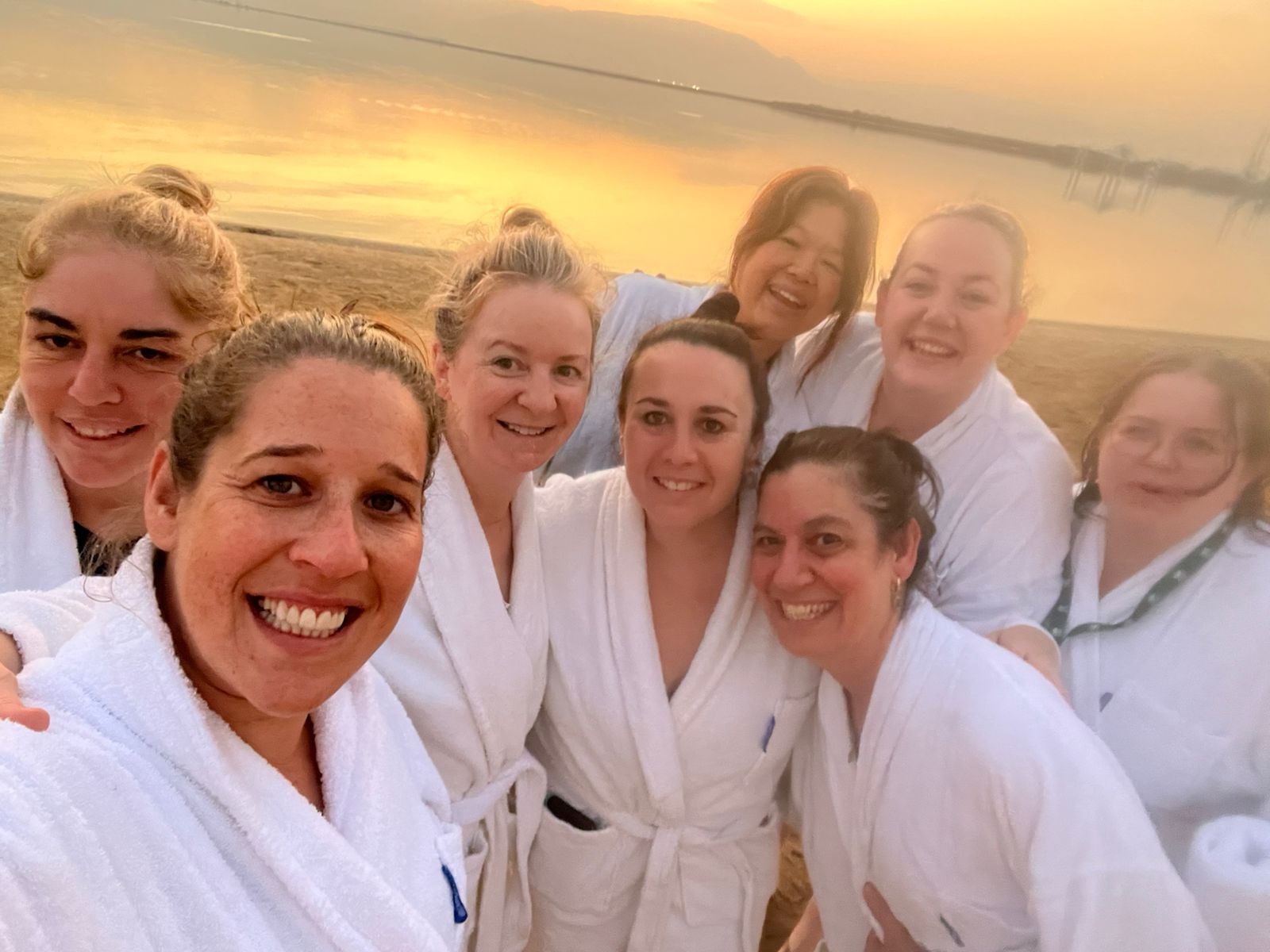
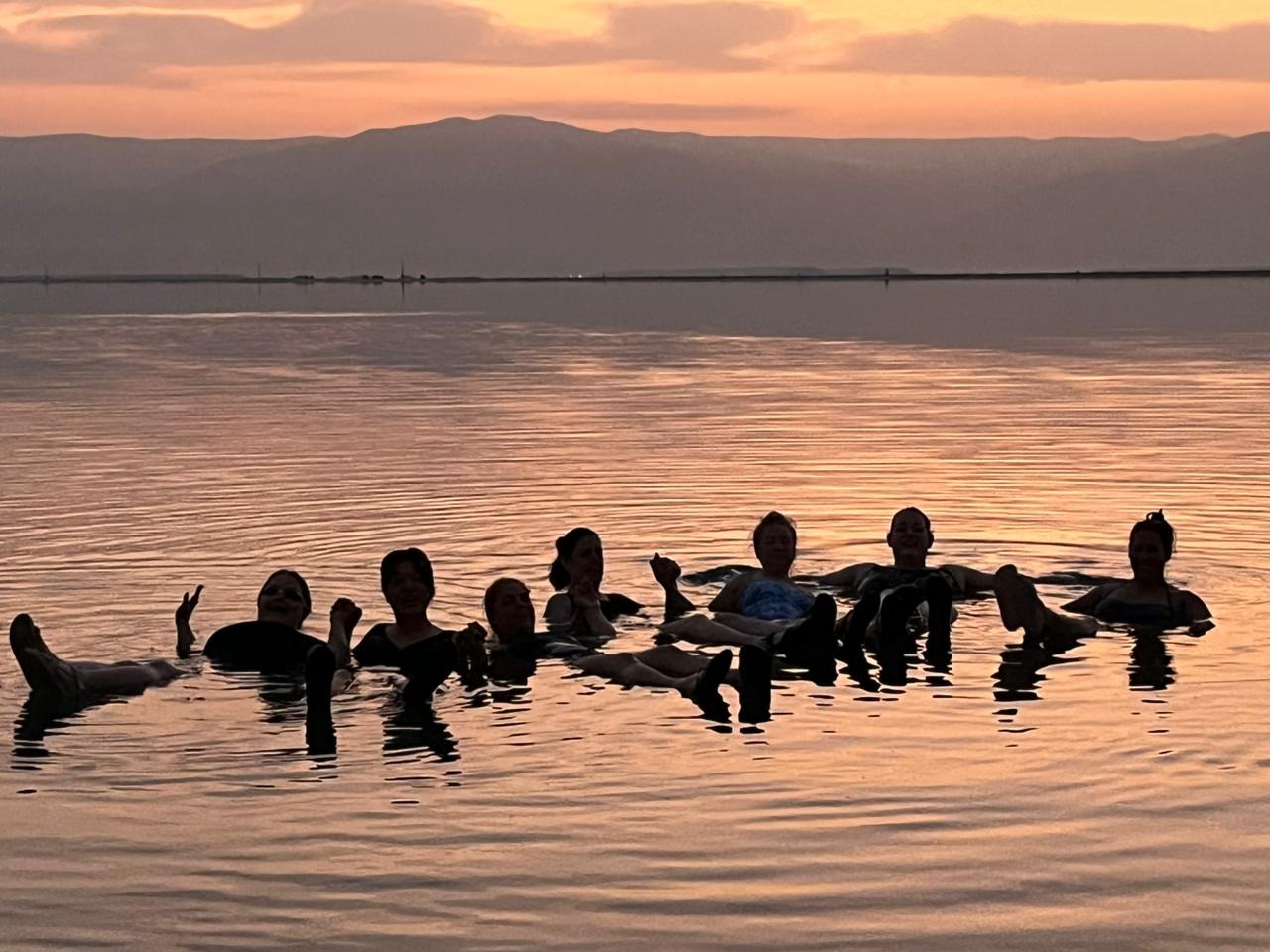
Driving from our hotel to Vidor Centre past the Dead Sea, which is the lowest point on earth -433 m, with the desert landscape around us, was incredibly humbling. Orit fed us with historical information such as the Romans thousands of years ago were paid in salt packed to preserve meat; the root of the word” salary” originates with “sel”. We heard about the red magnesium exported to India and even had a glance at Lot’s wife chiselled into the mountain.
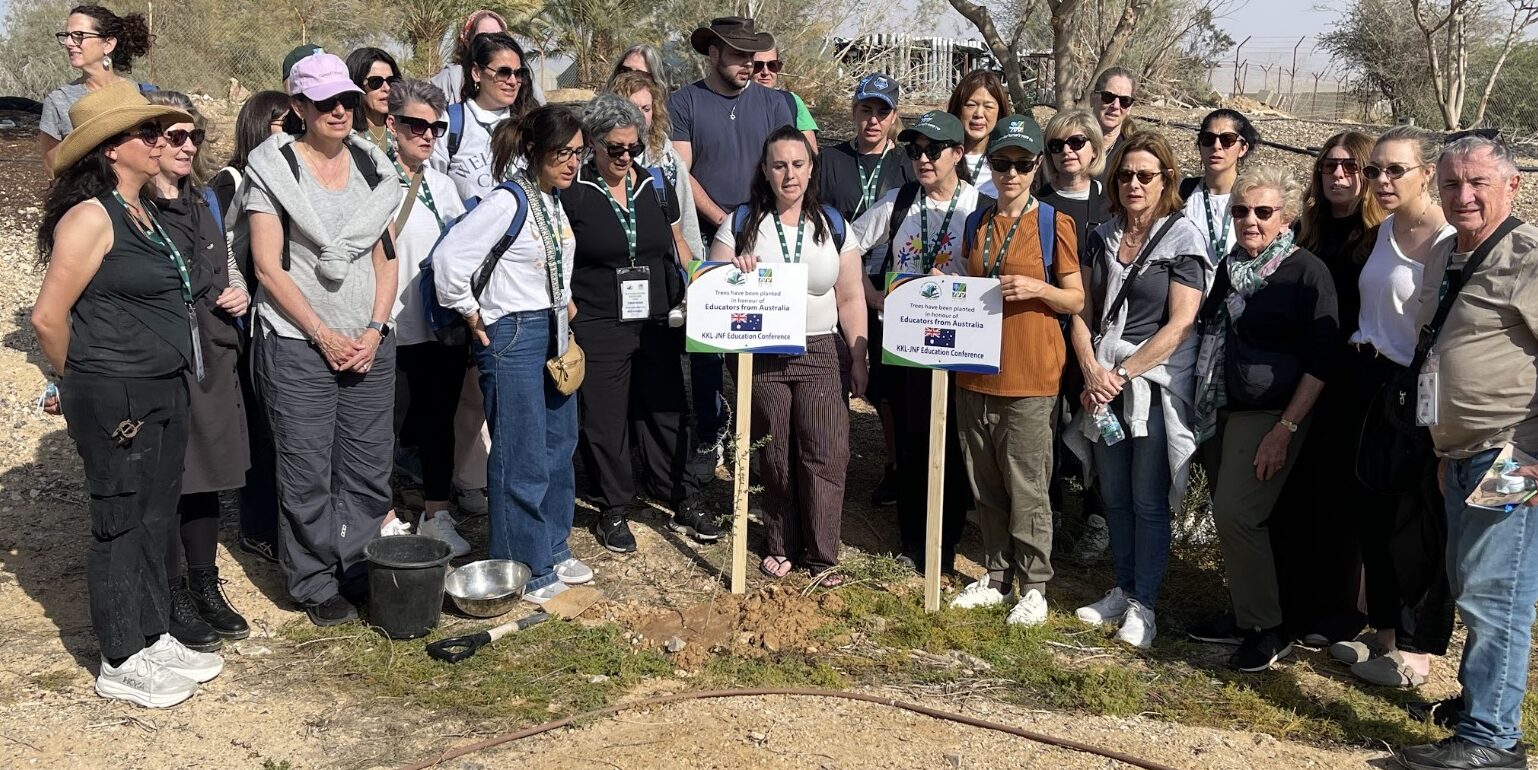
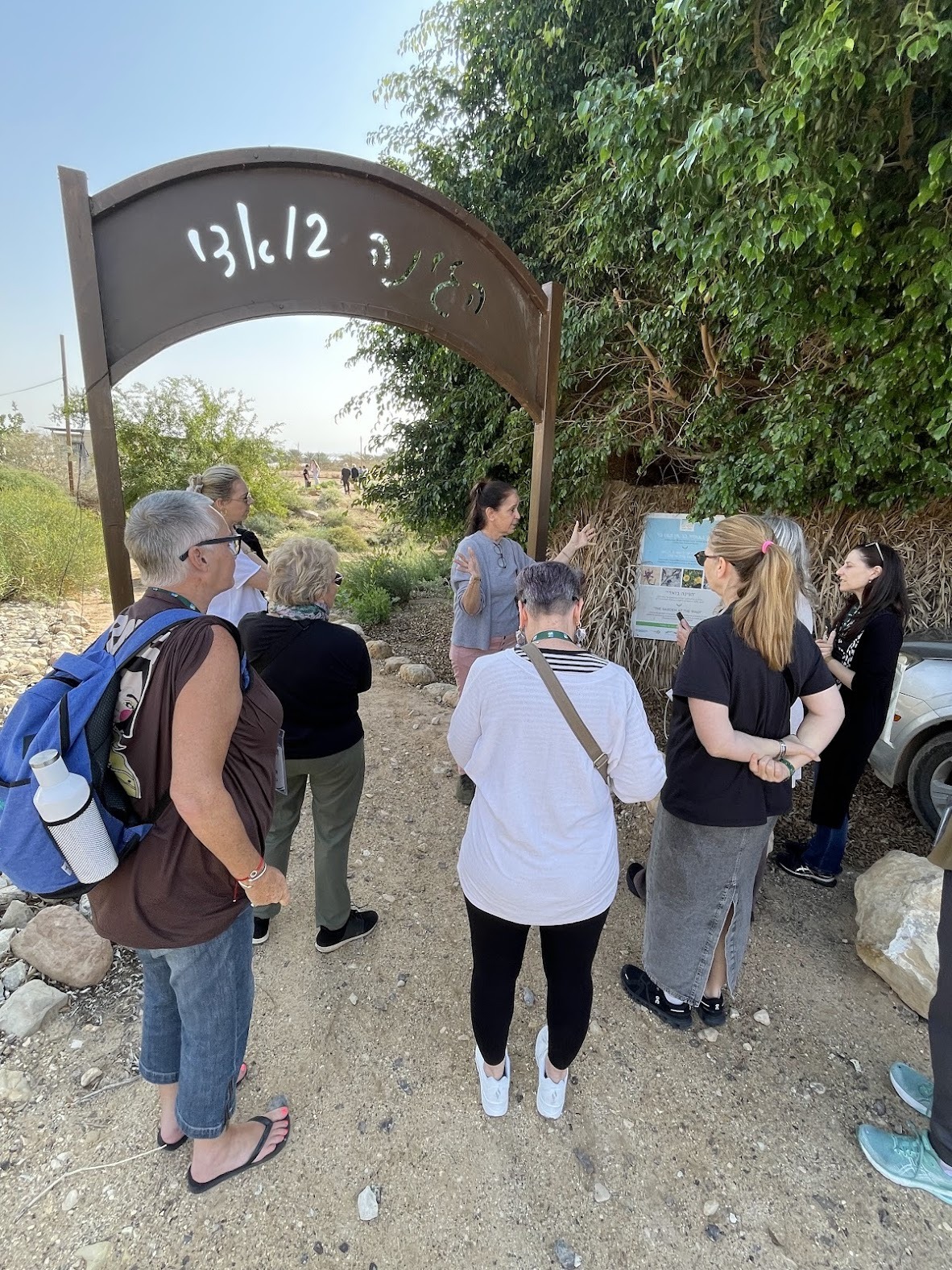
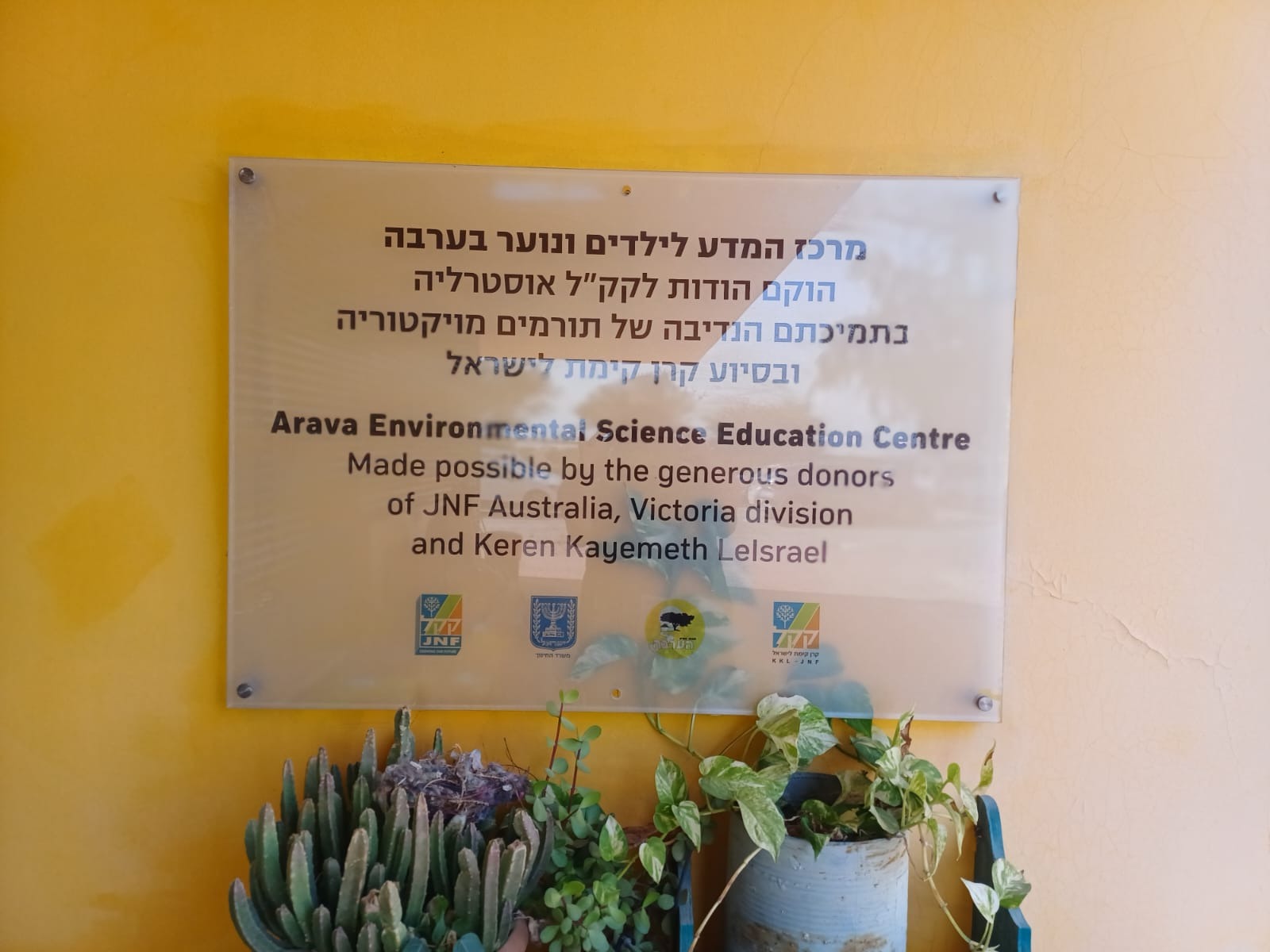
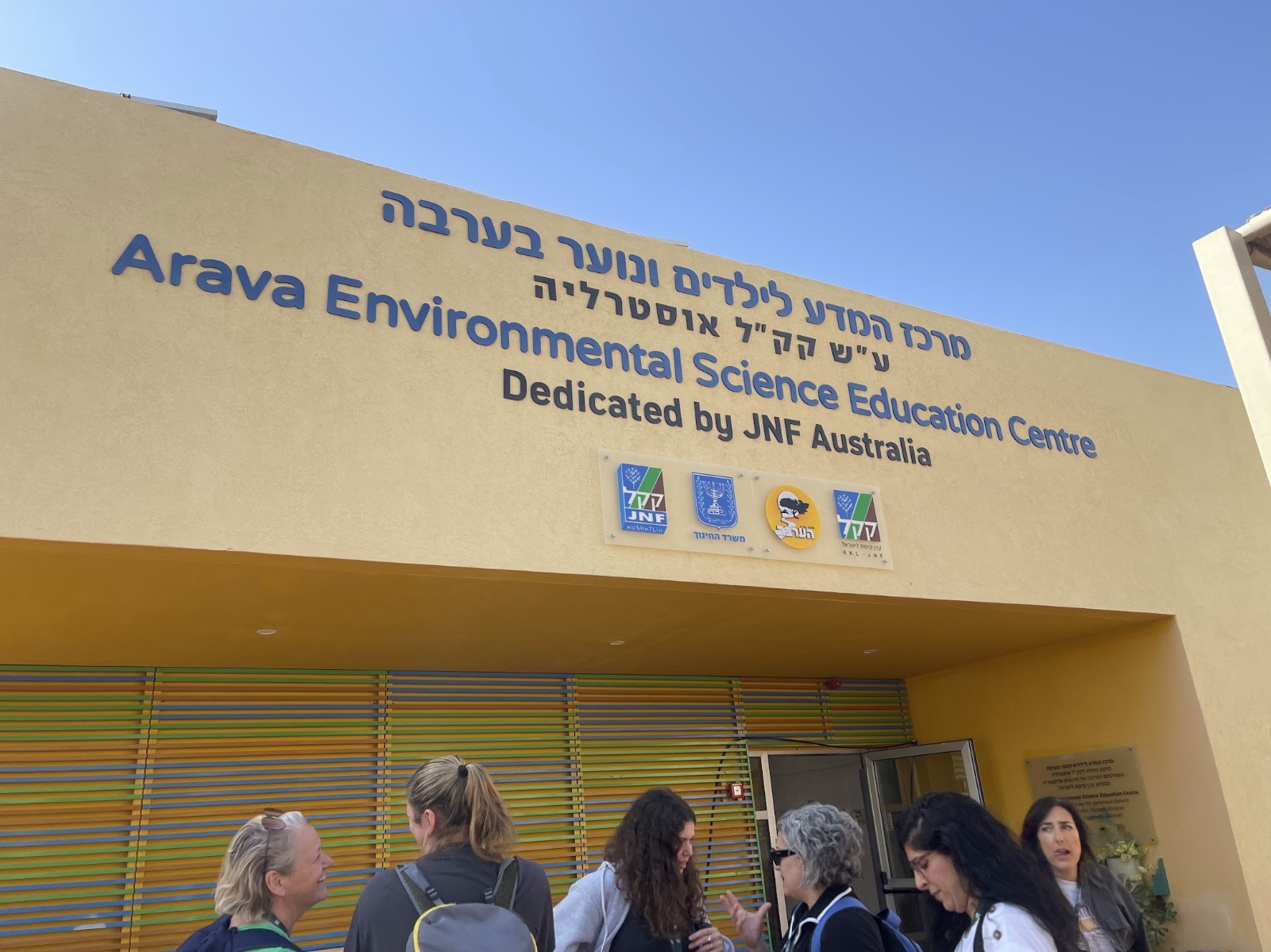
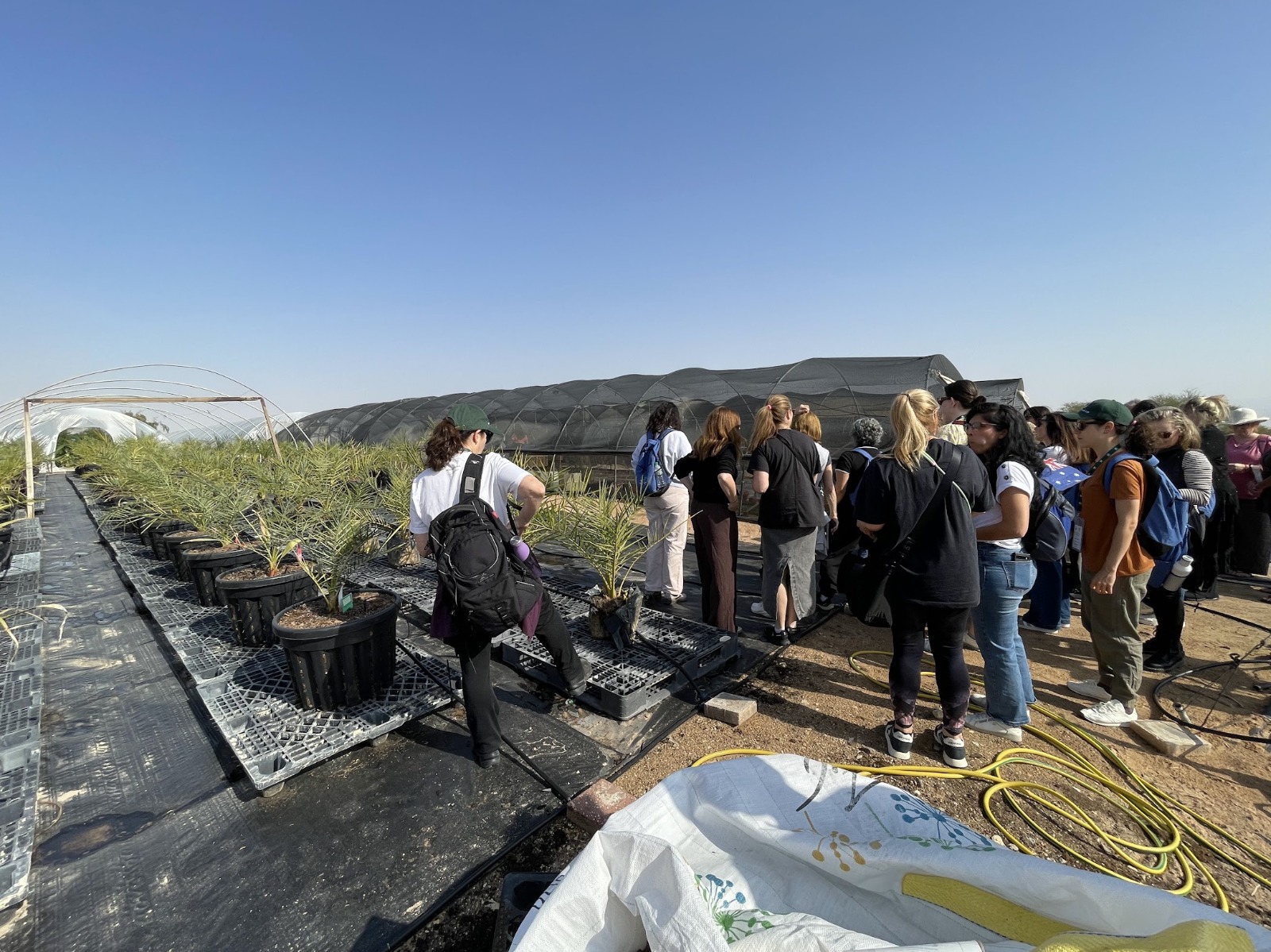
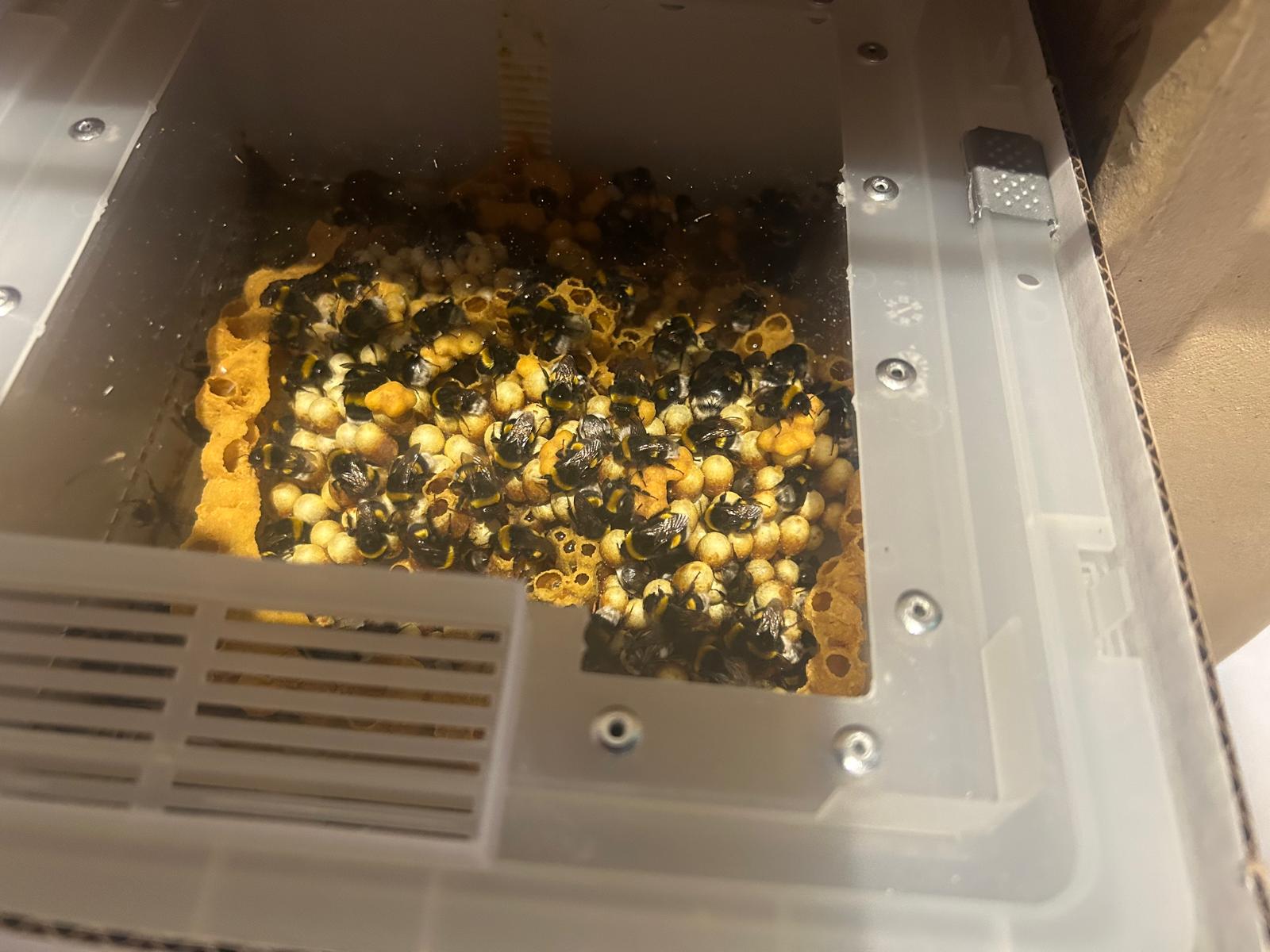
The Vidor Centre is an agricultural research Centre in the middle of other research stations financed by JNF Australia, founded by the Vidor family. It embraces innovative agricultural methods based on technology. The museum there illustrated several of these methods: from using bees for pollination, conserving water, to creating clownfish aquariums. The hands-on interactive exhibits engaged us in understanding the preciousness of water and the drive for sustainability.
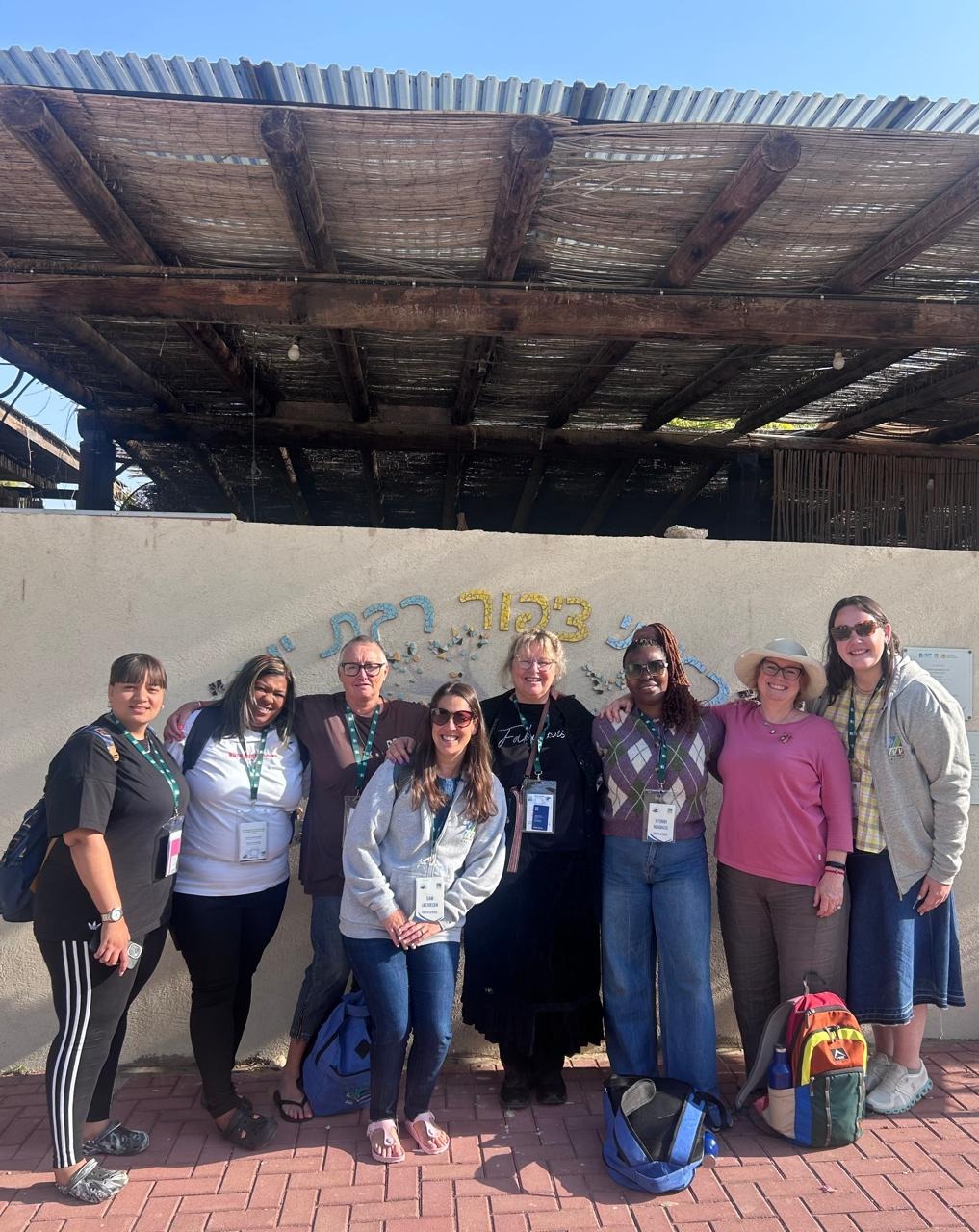
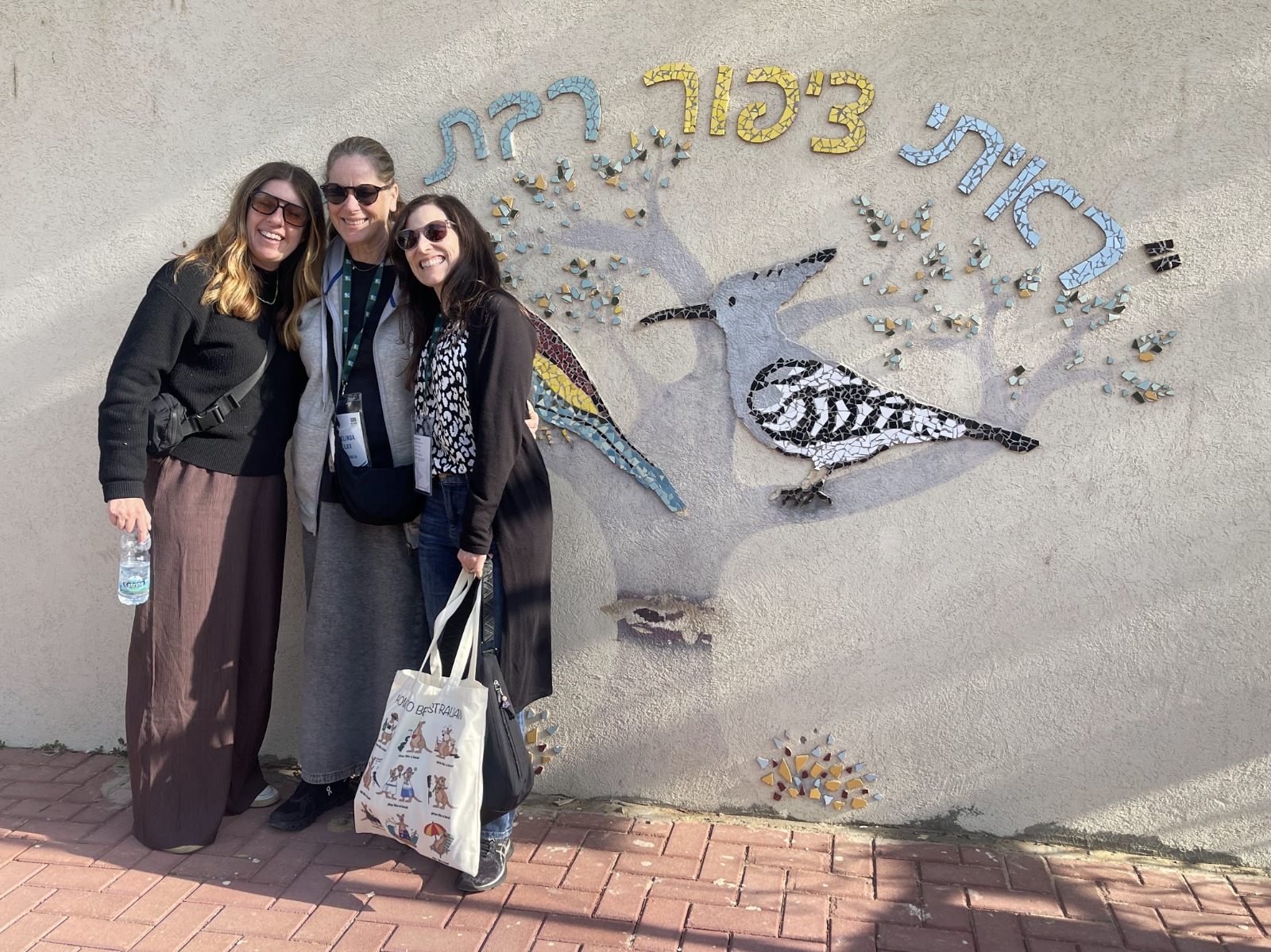
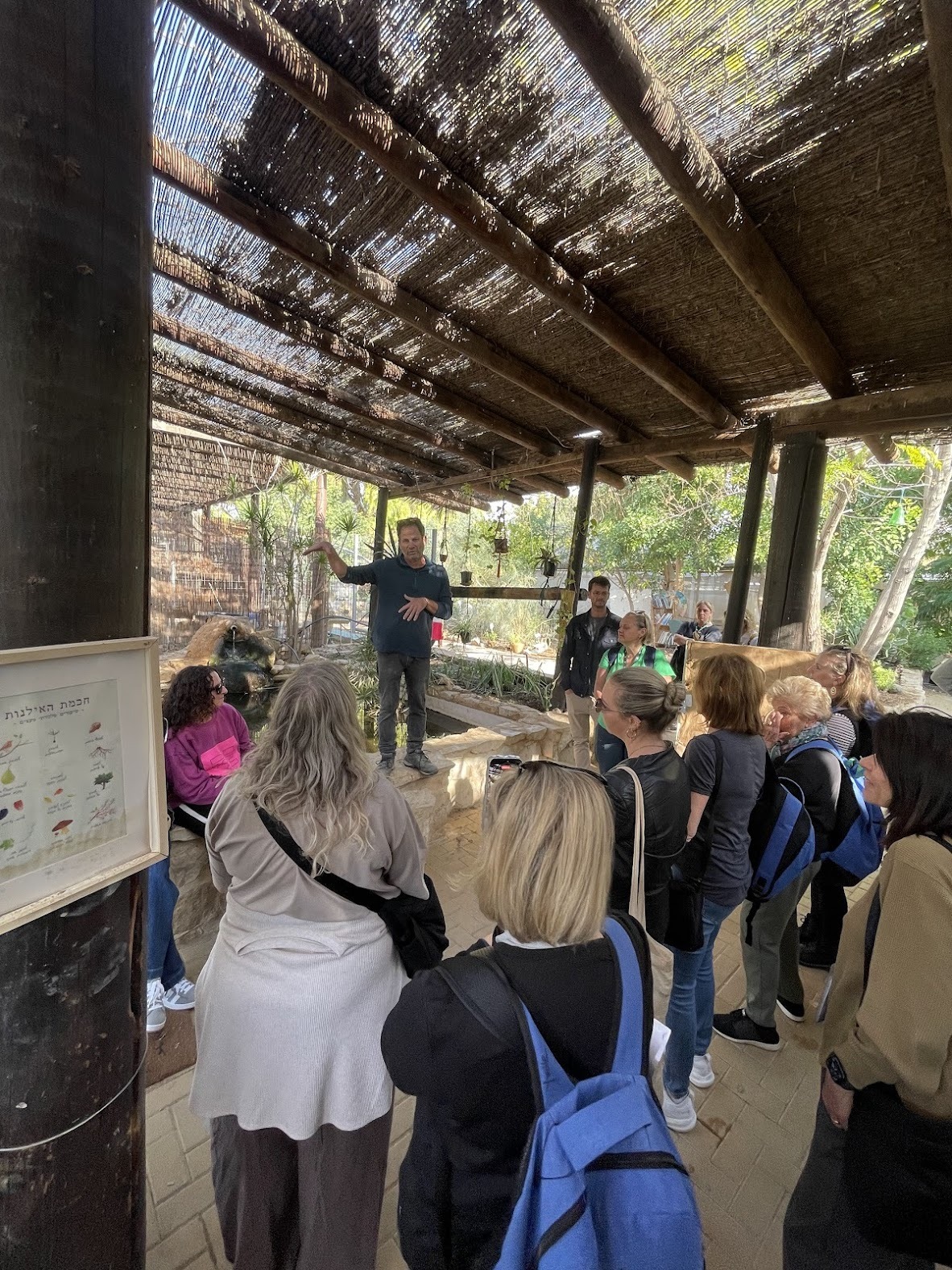
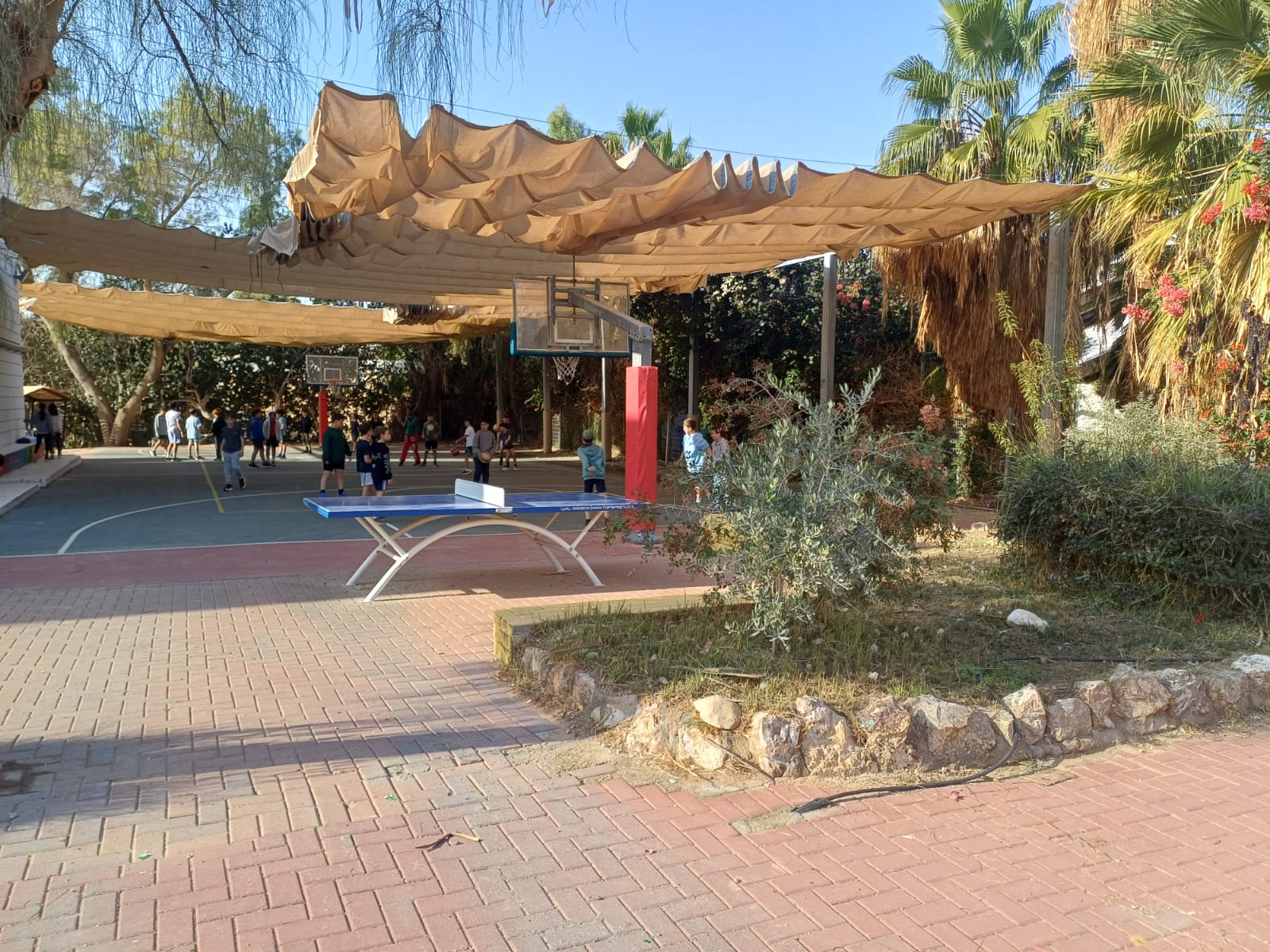
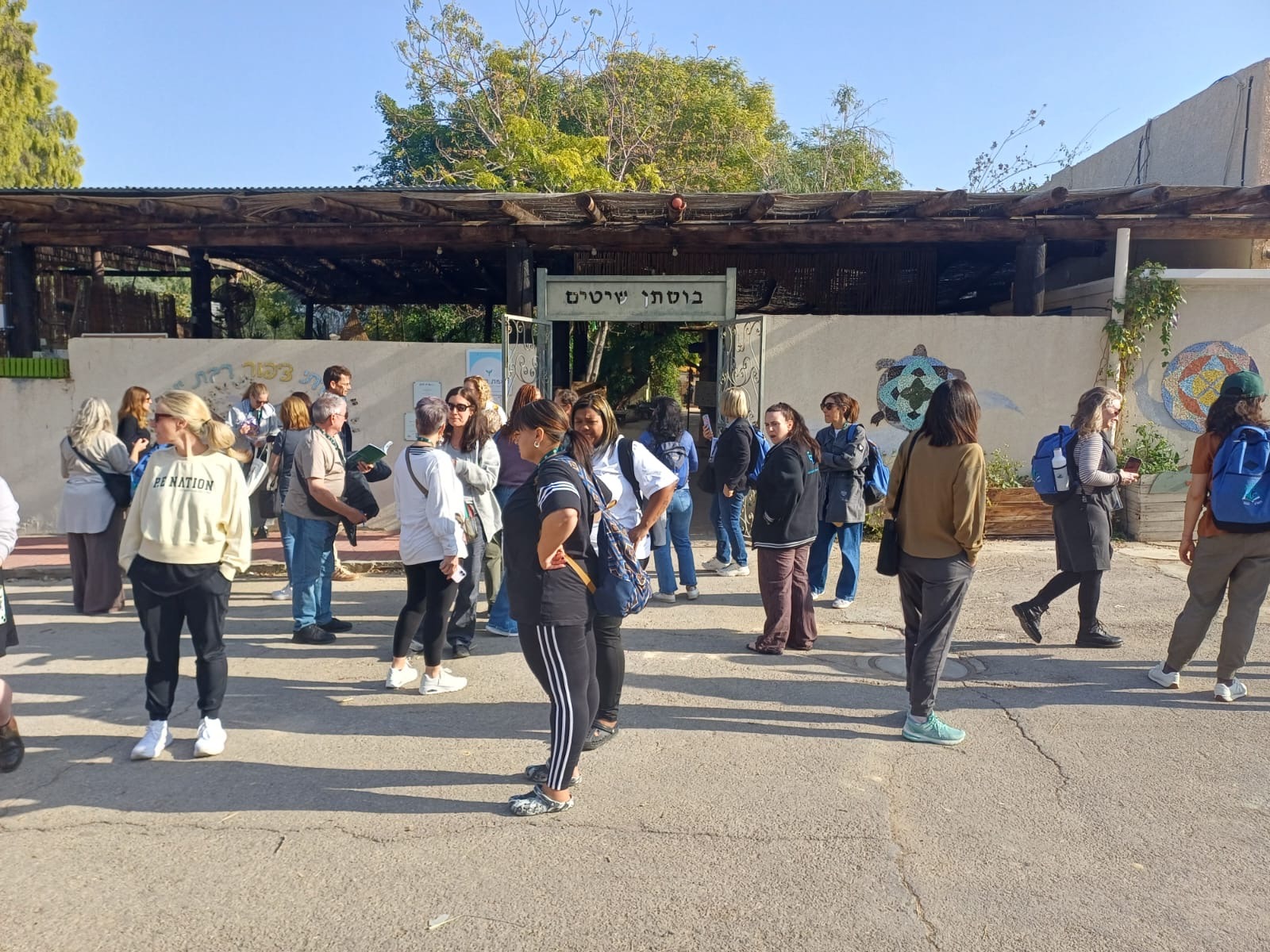
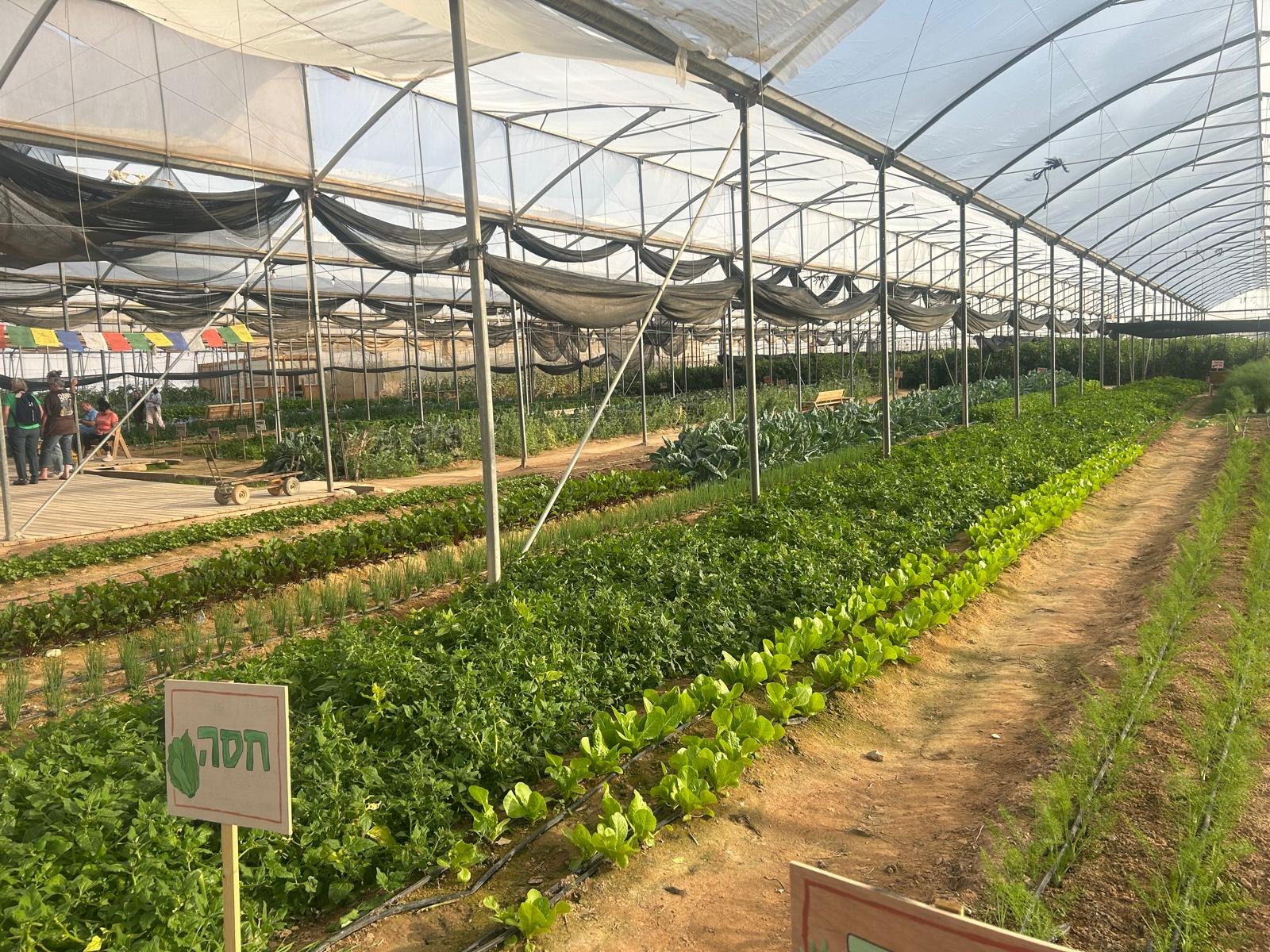
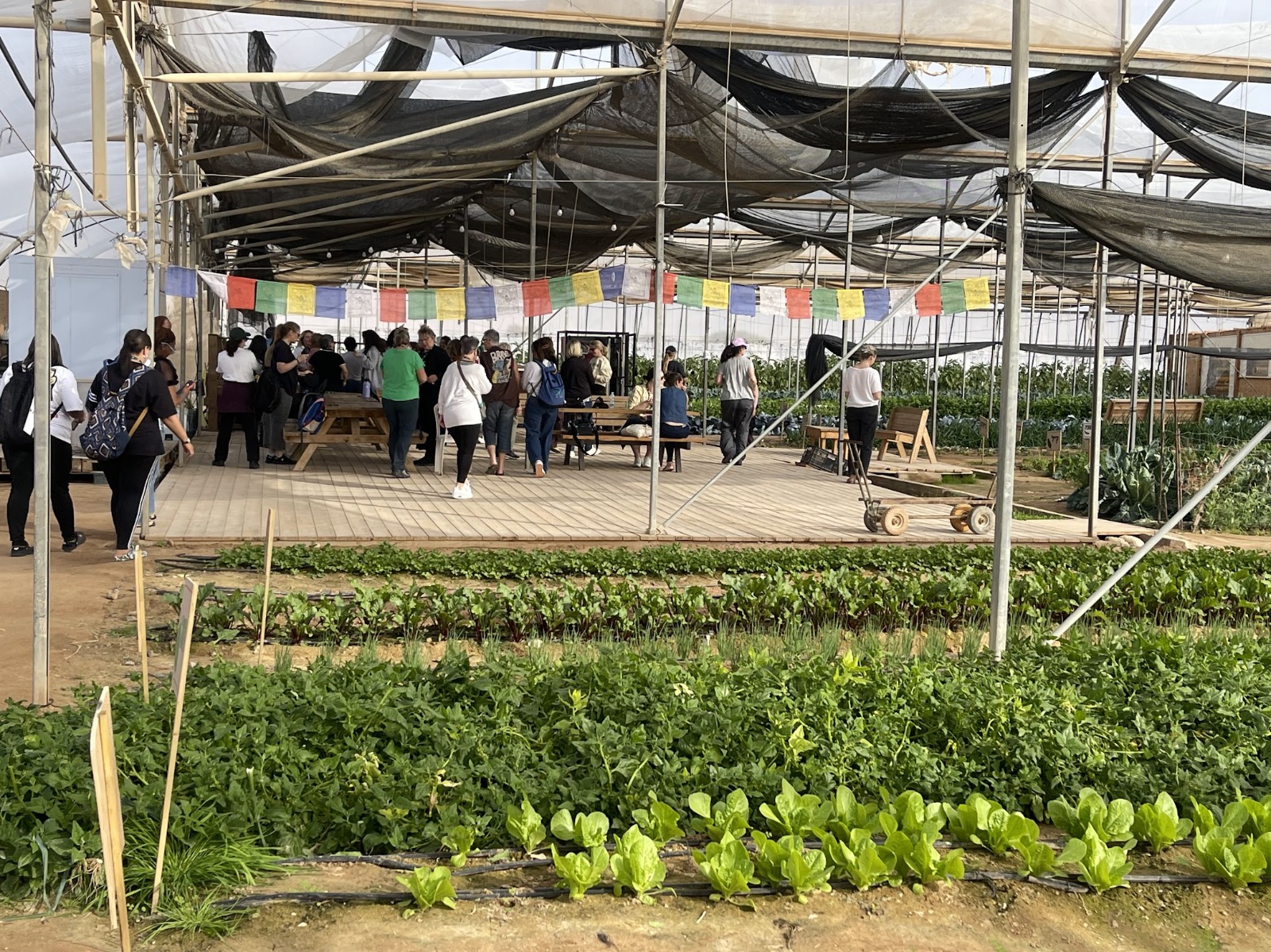
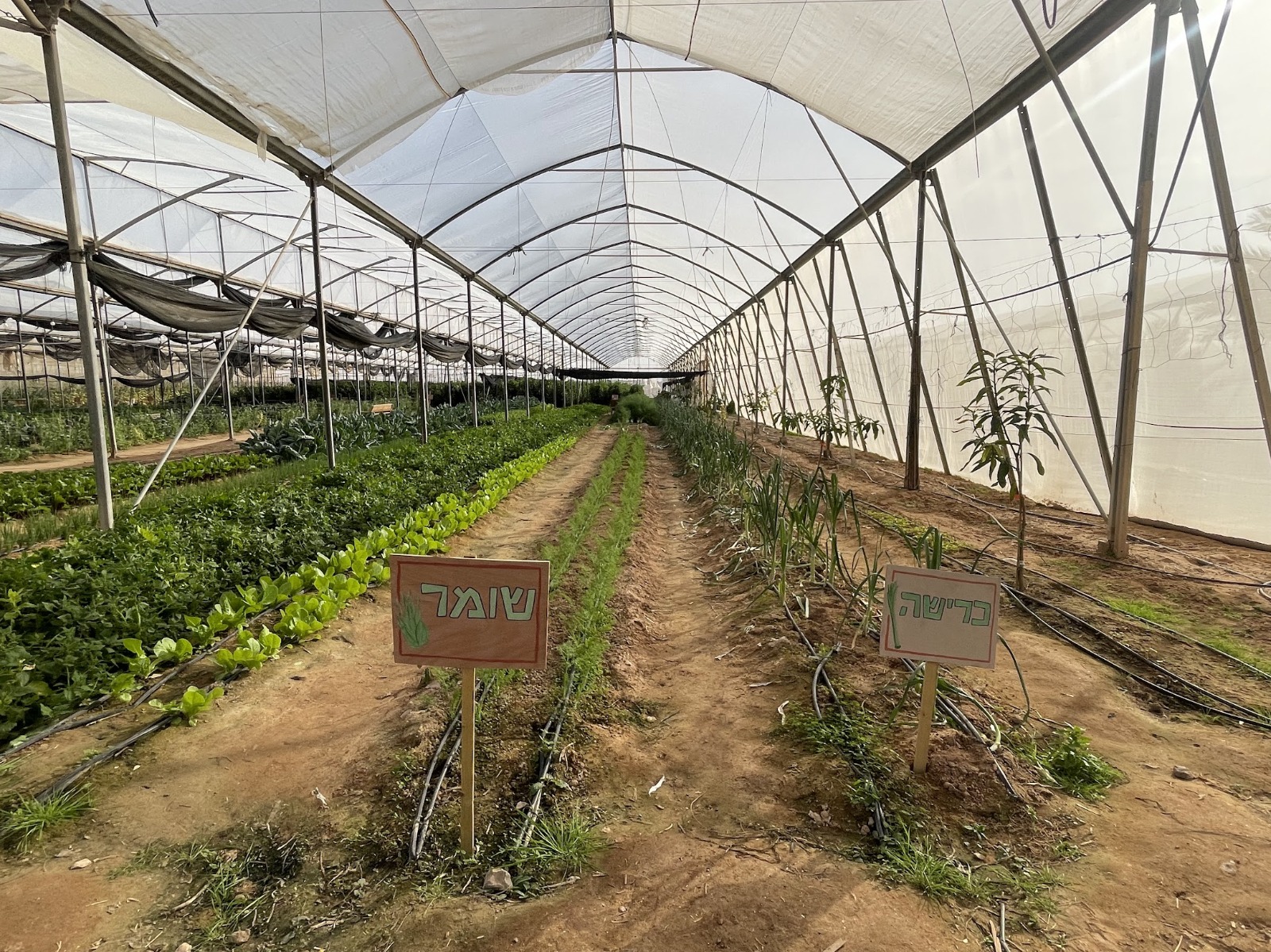
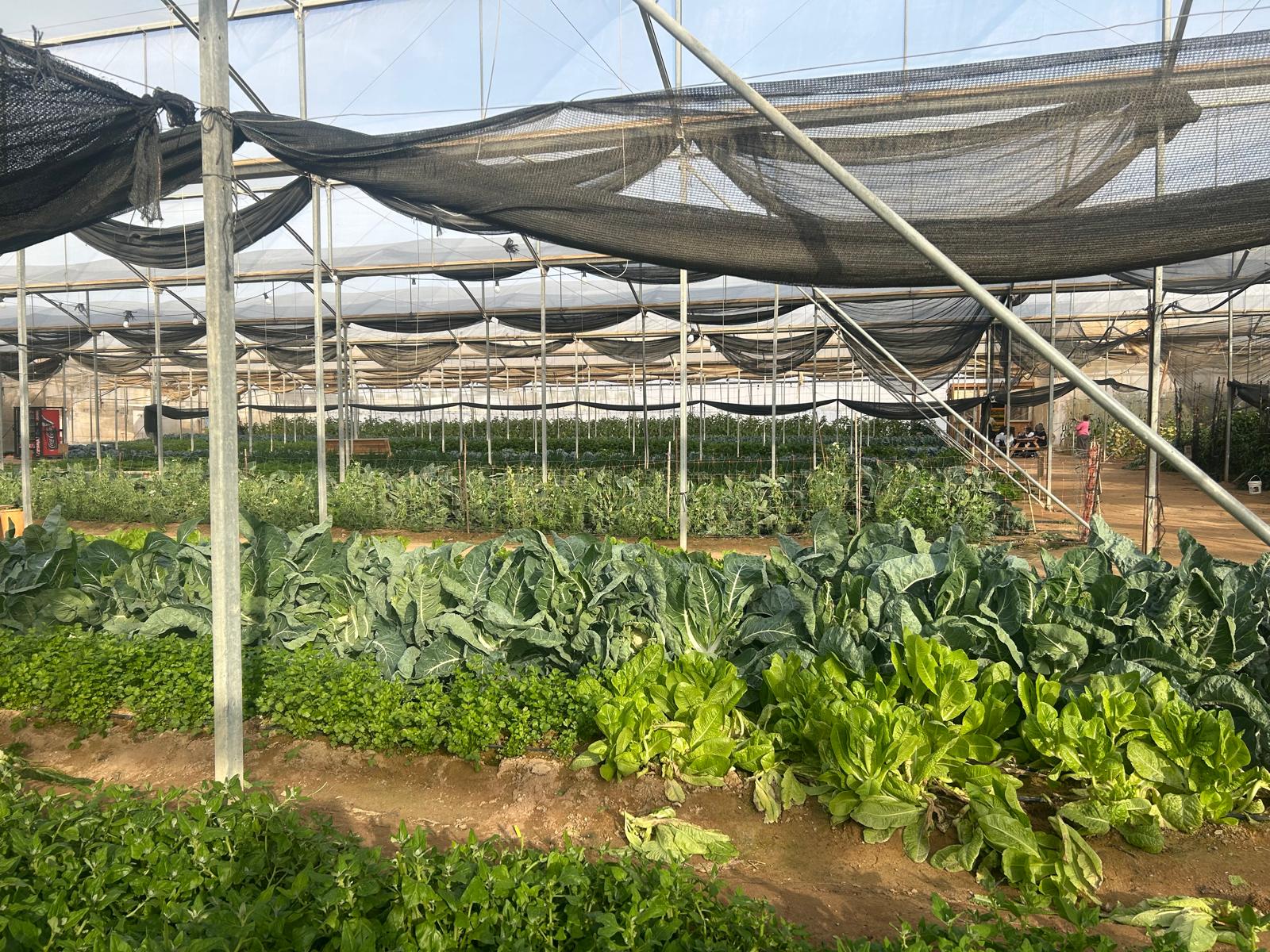
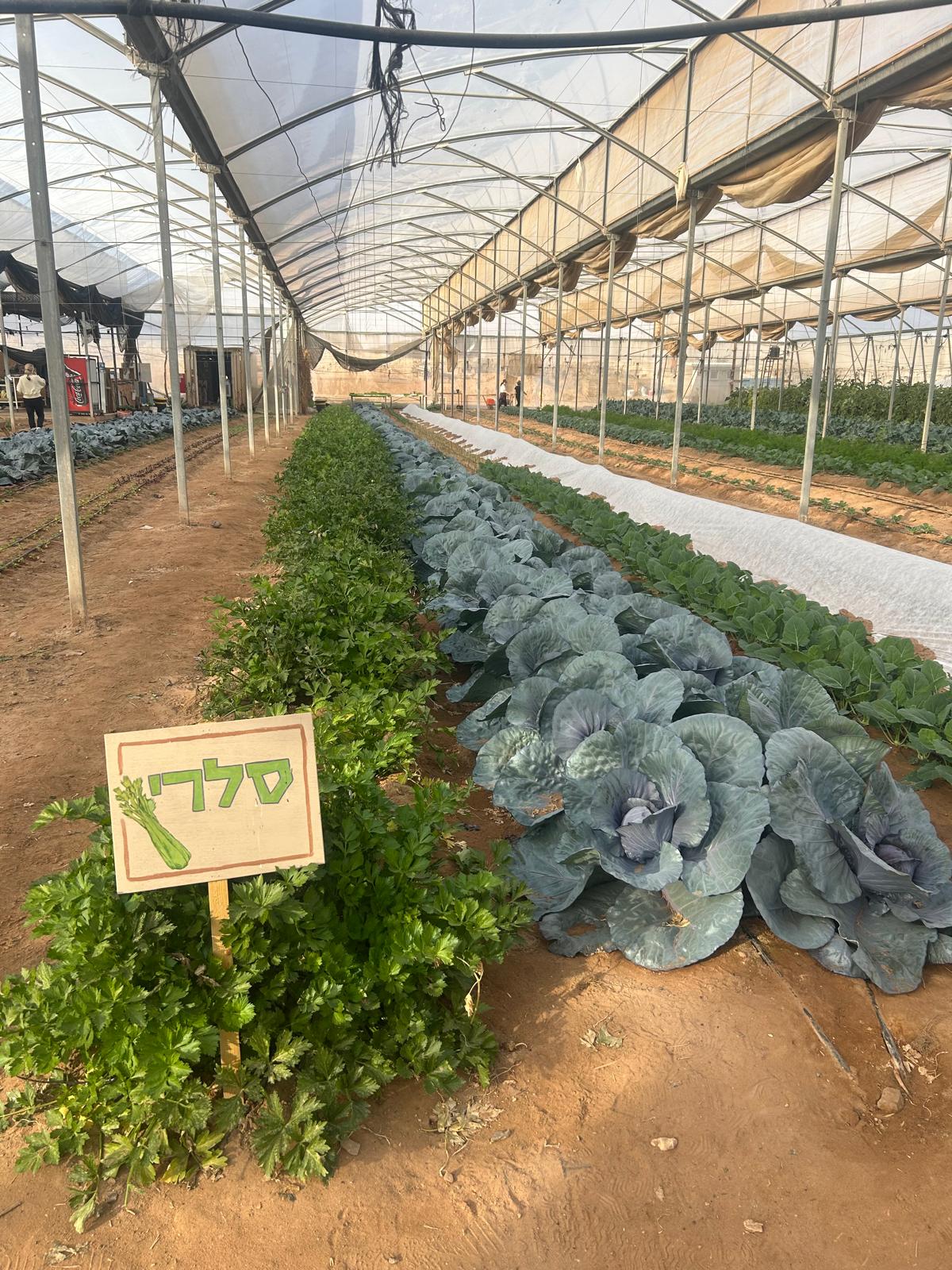
We then visited the Busan Greenhouse School, home to around 400 students, where we met with both students and teachers to learn about their teaching methods and their strong emphasis on experiential, land-based learning. Their hands-on approach is deeply rooted in the land and offered a striking contrast to the technology-focused schooling we visited on Day 1 in Yokneam.
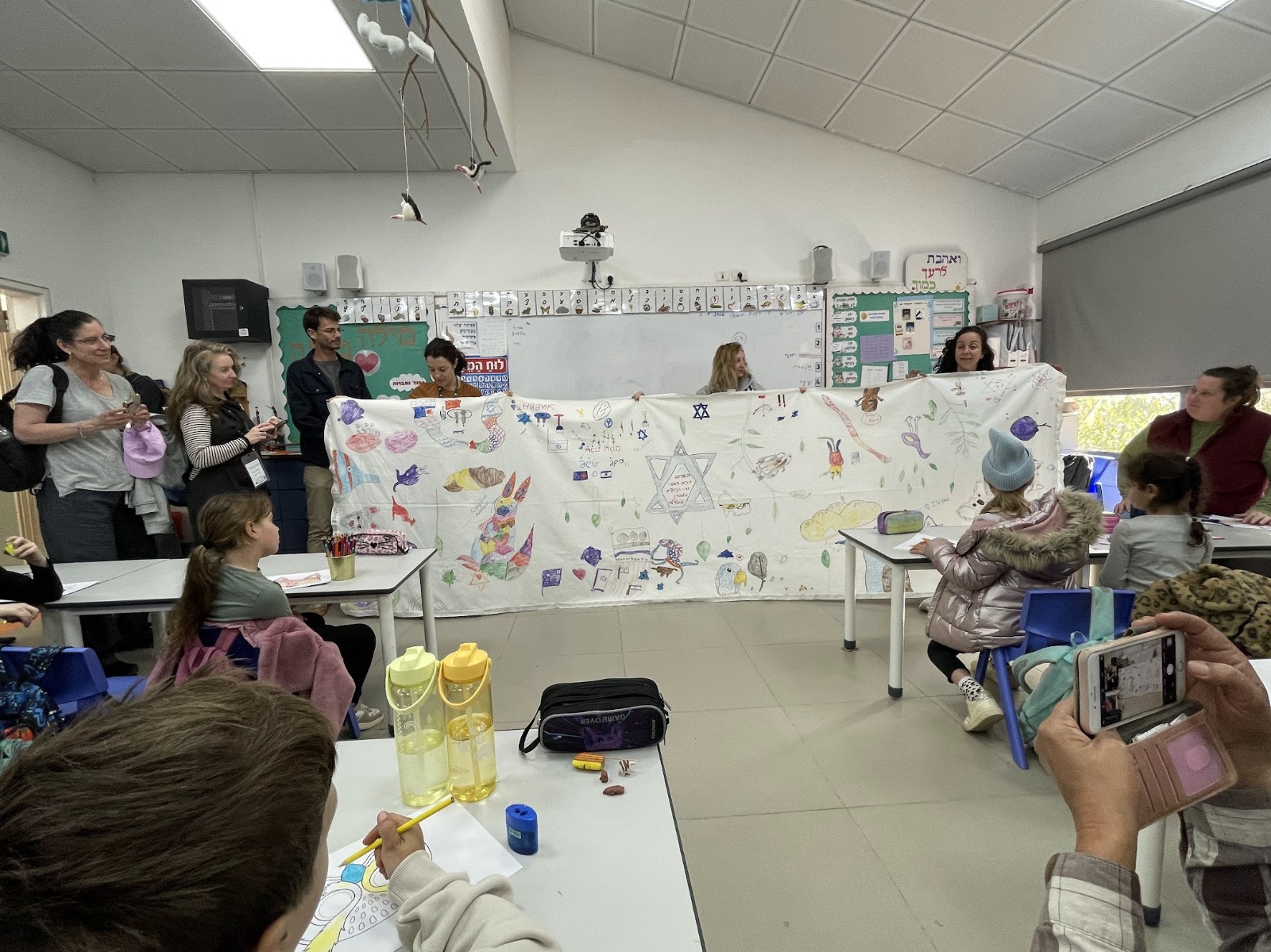
Several teachers brought thoughtful gifts and letters from their students, and we were delighted to share Osnat’s students’ beautiful tablecloth, decorated with images representing both Australia and Israel, with the class.
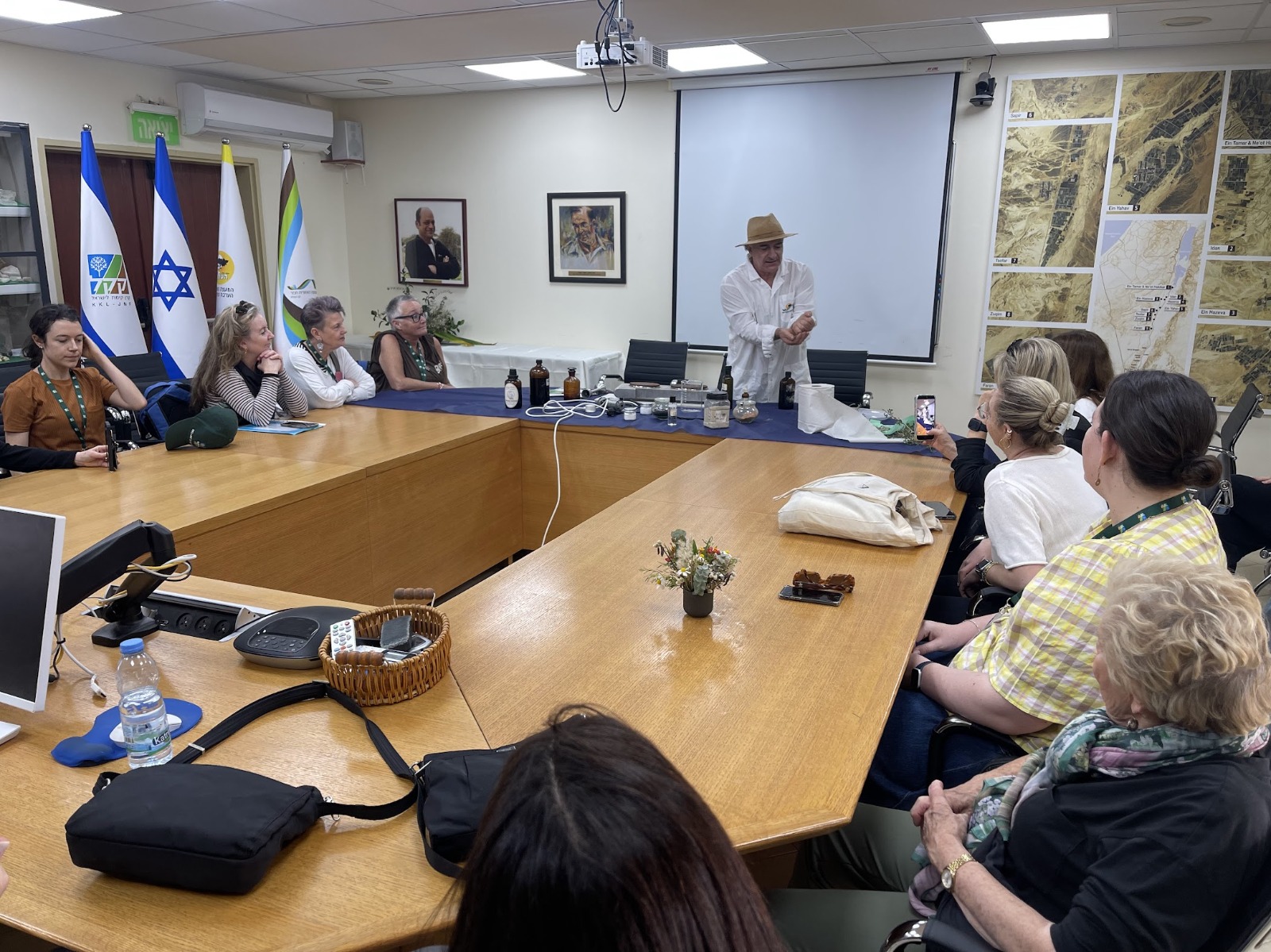
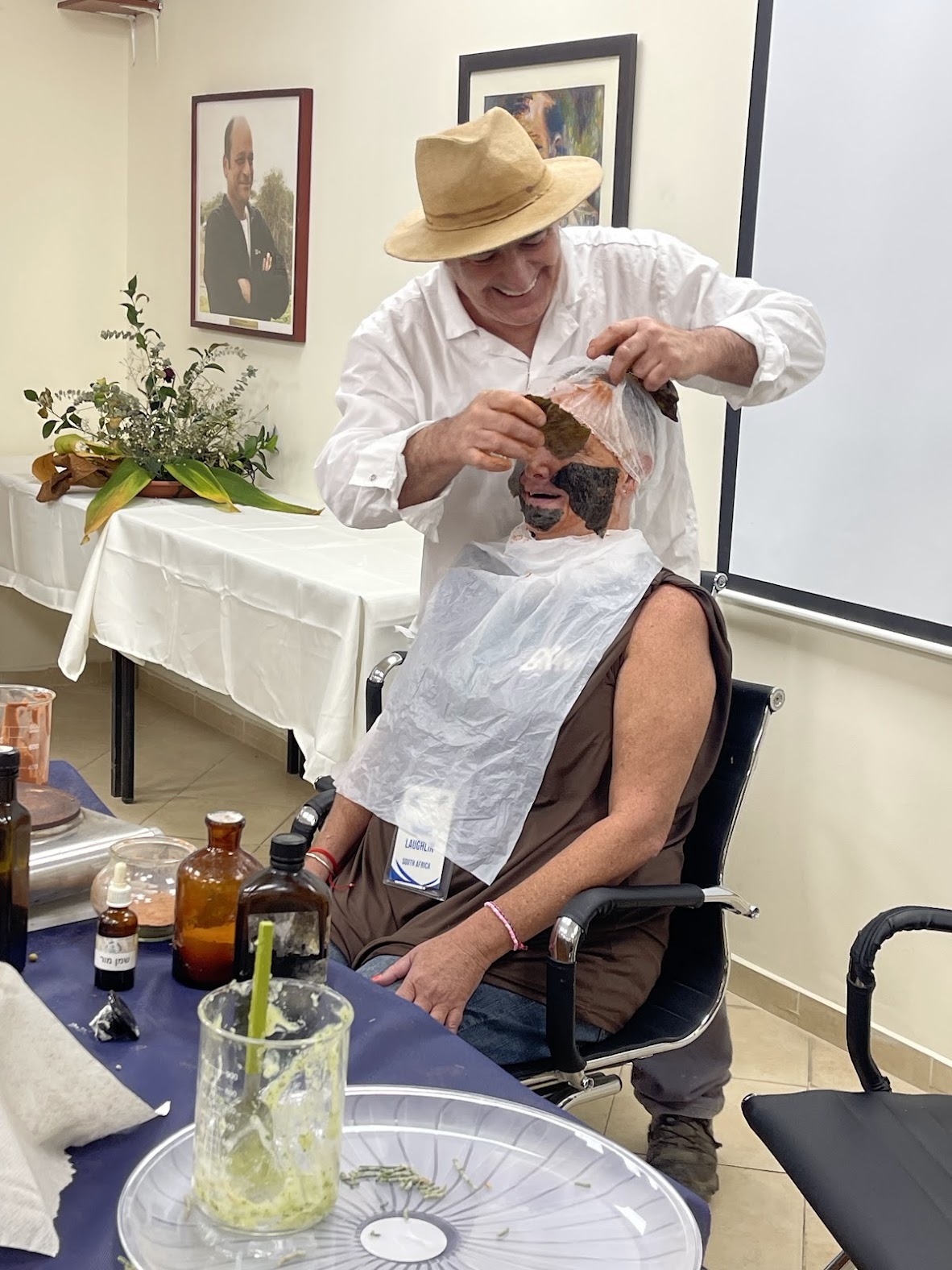
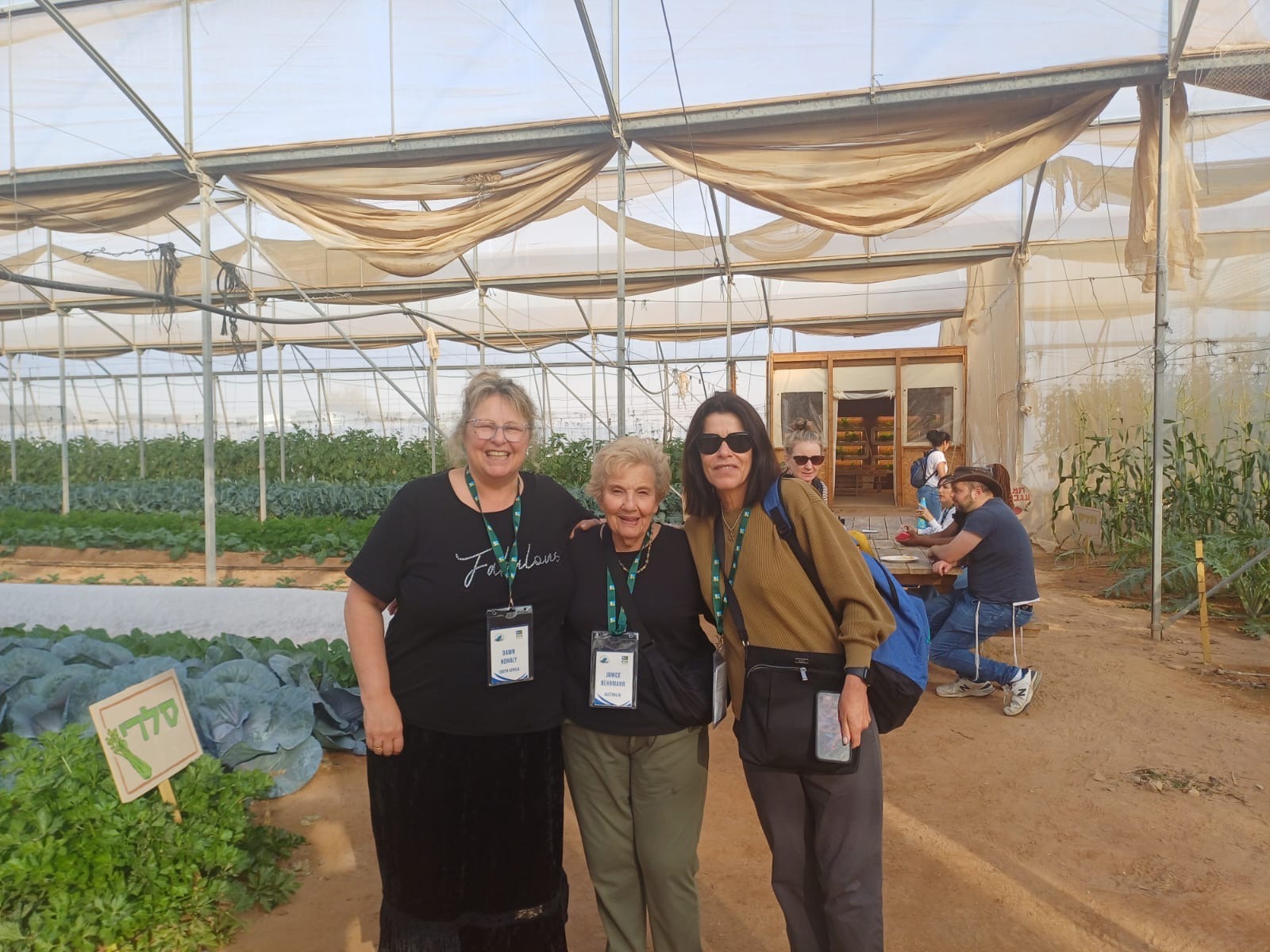
Our next stop was Hatzeva – Innovative Greenhouse Tour, where we learnt about cosmetic experimentation with the hilarious and charismatic presenter Chaim. Notably, his concoctions are made from desert plants with healing properties. We spent time with students learning about the experiments and drafting protocols of desert plants, to understand how they can be reproduced for home gardens and medical research.