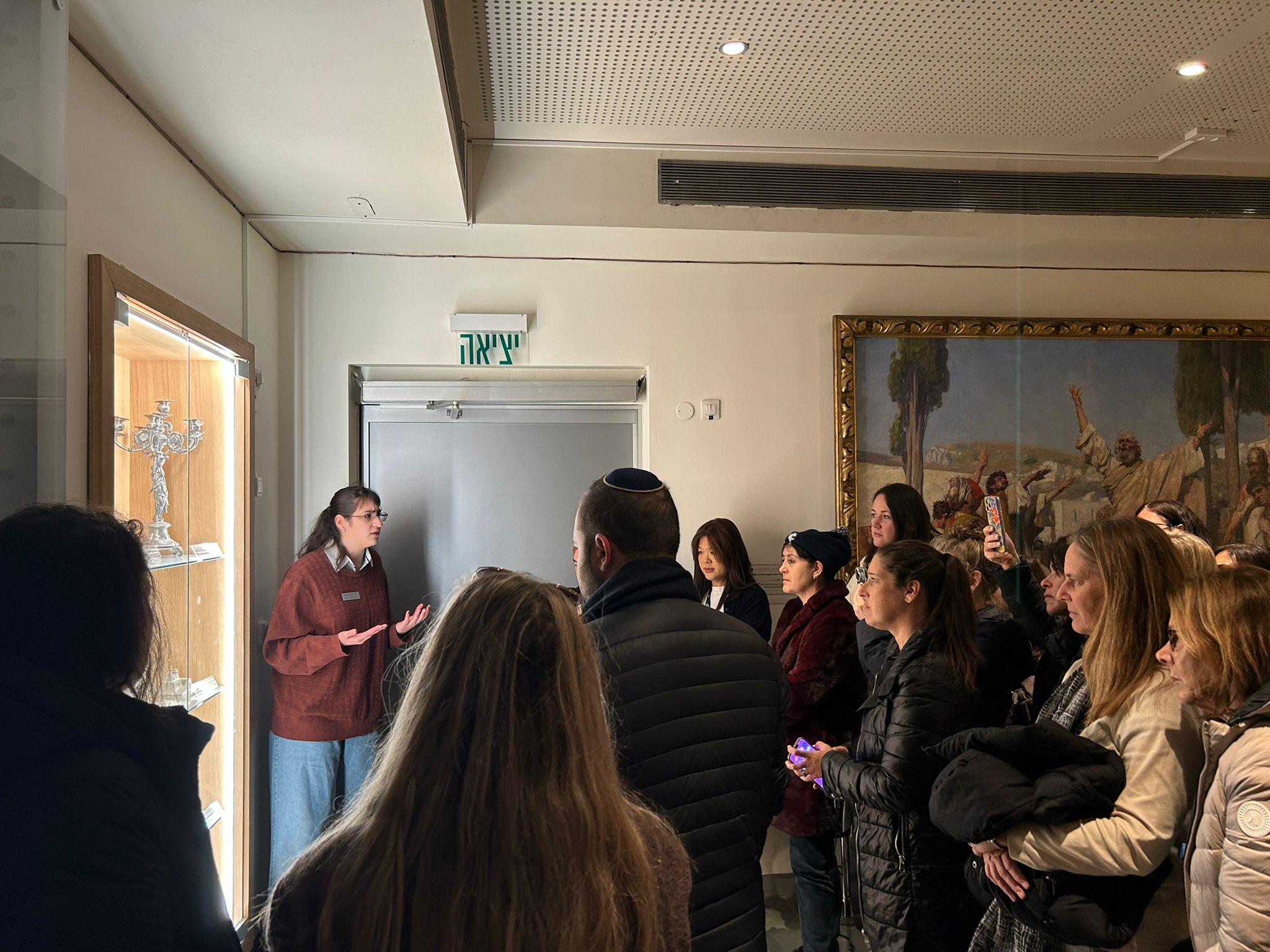
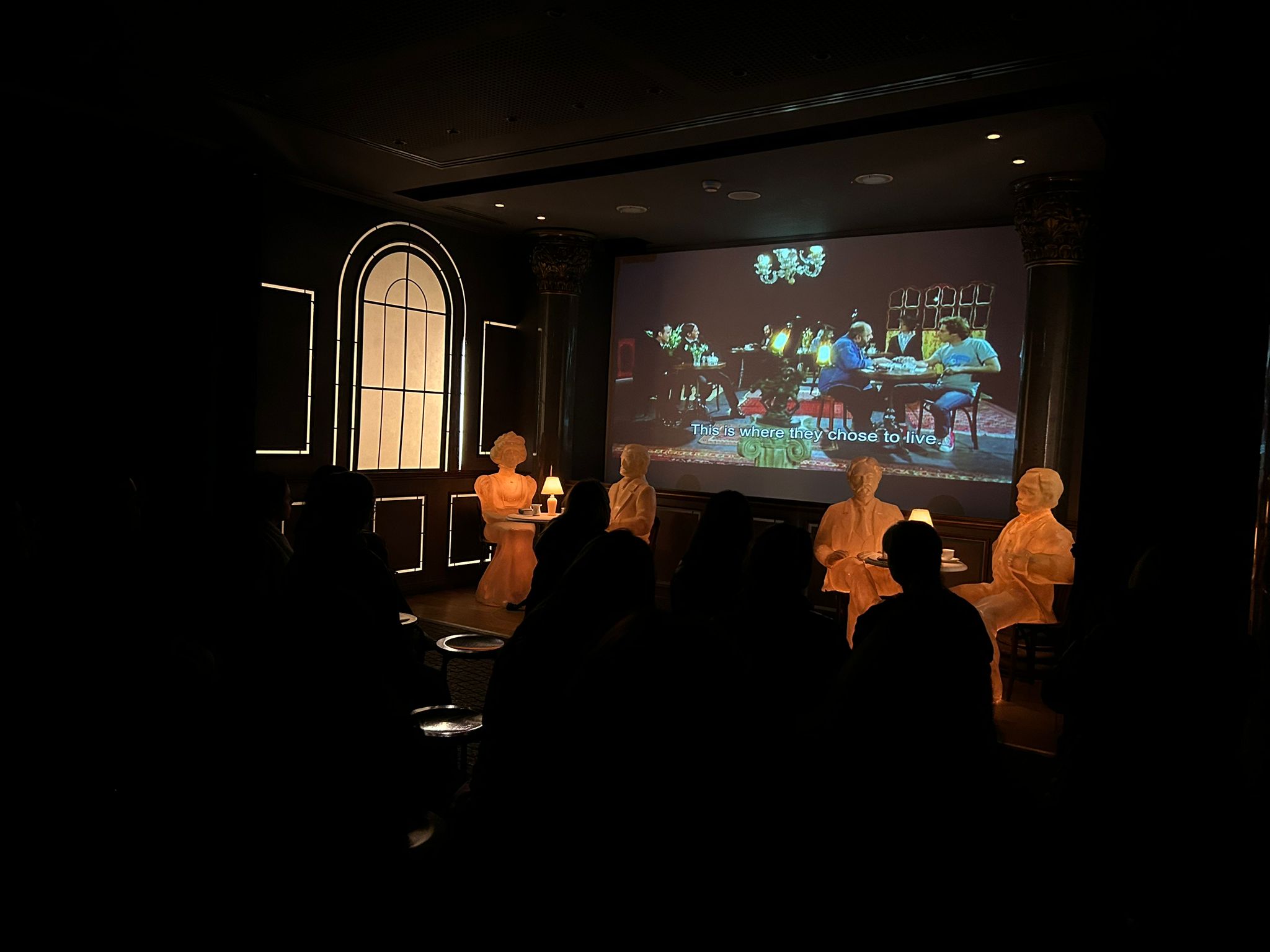
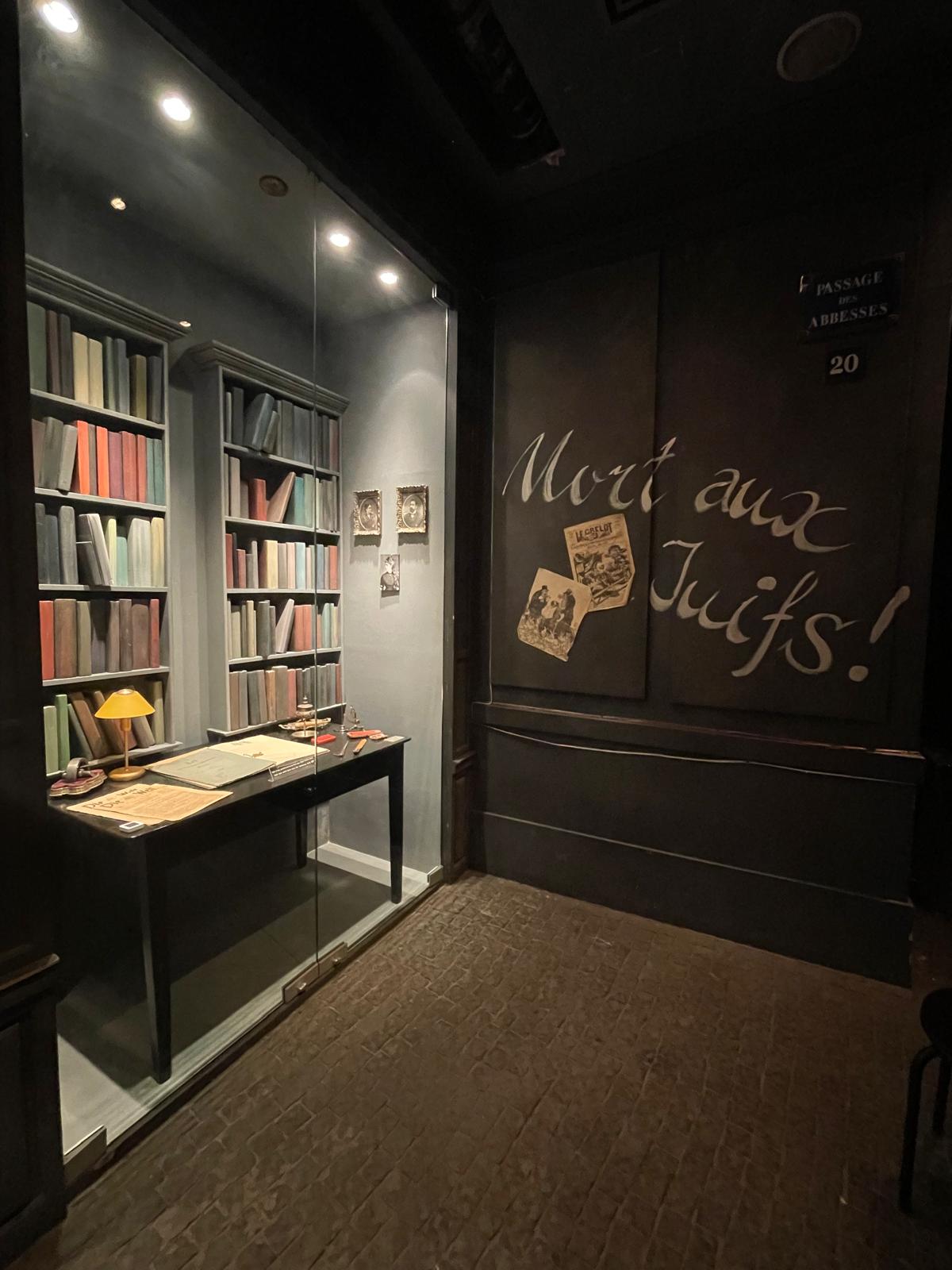
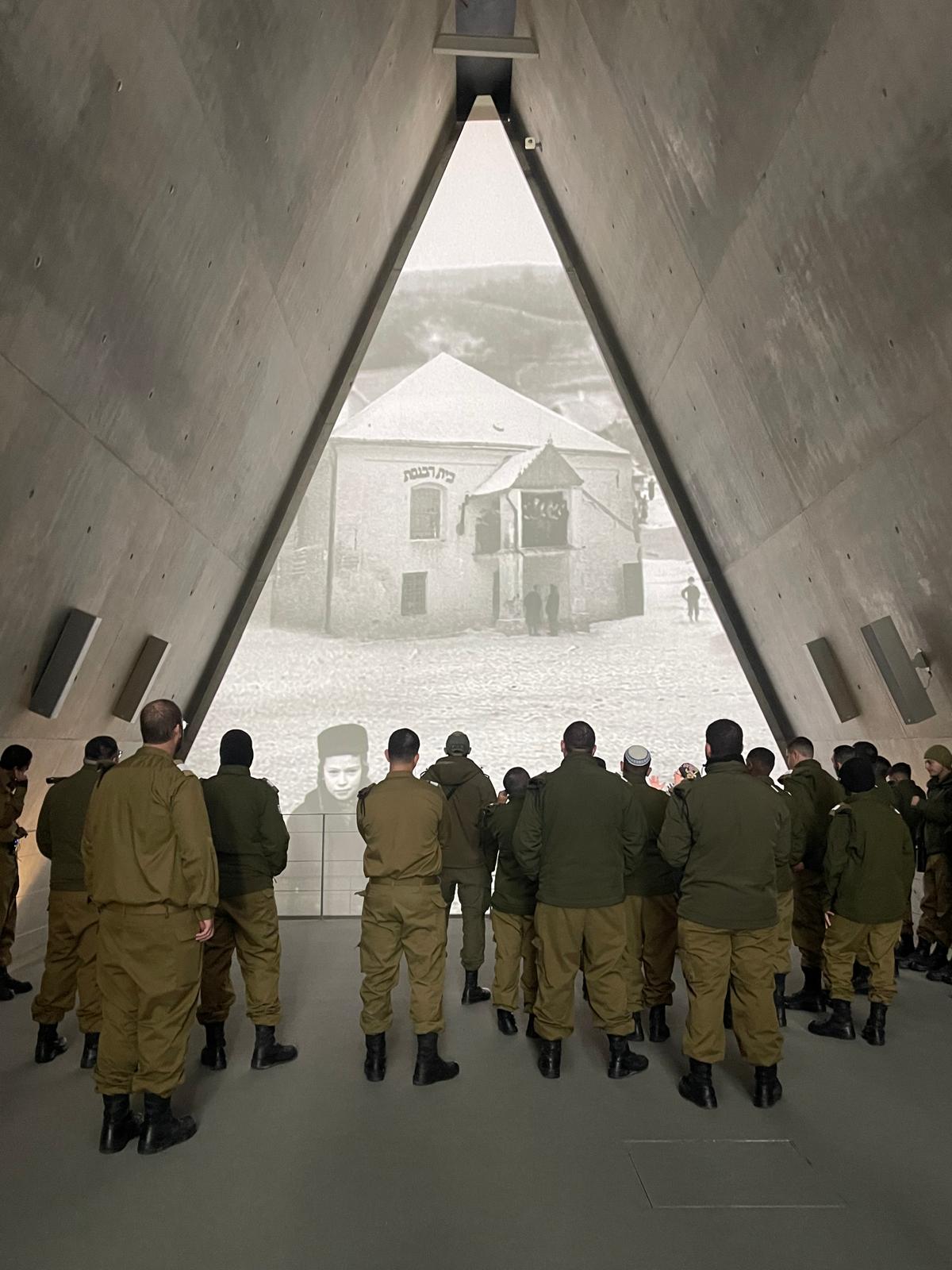
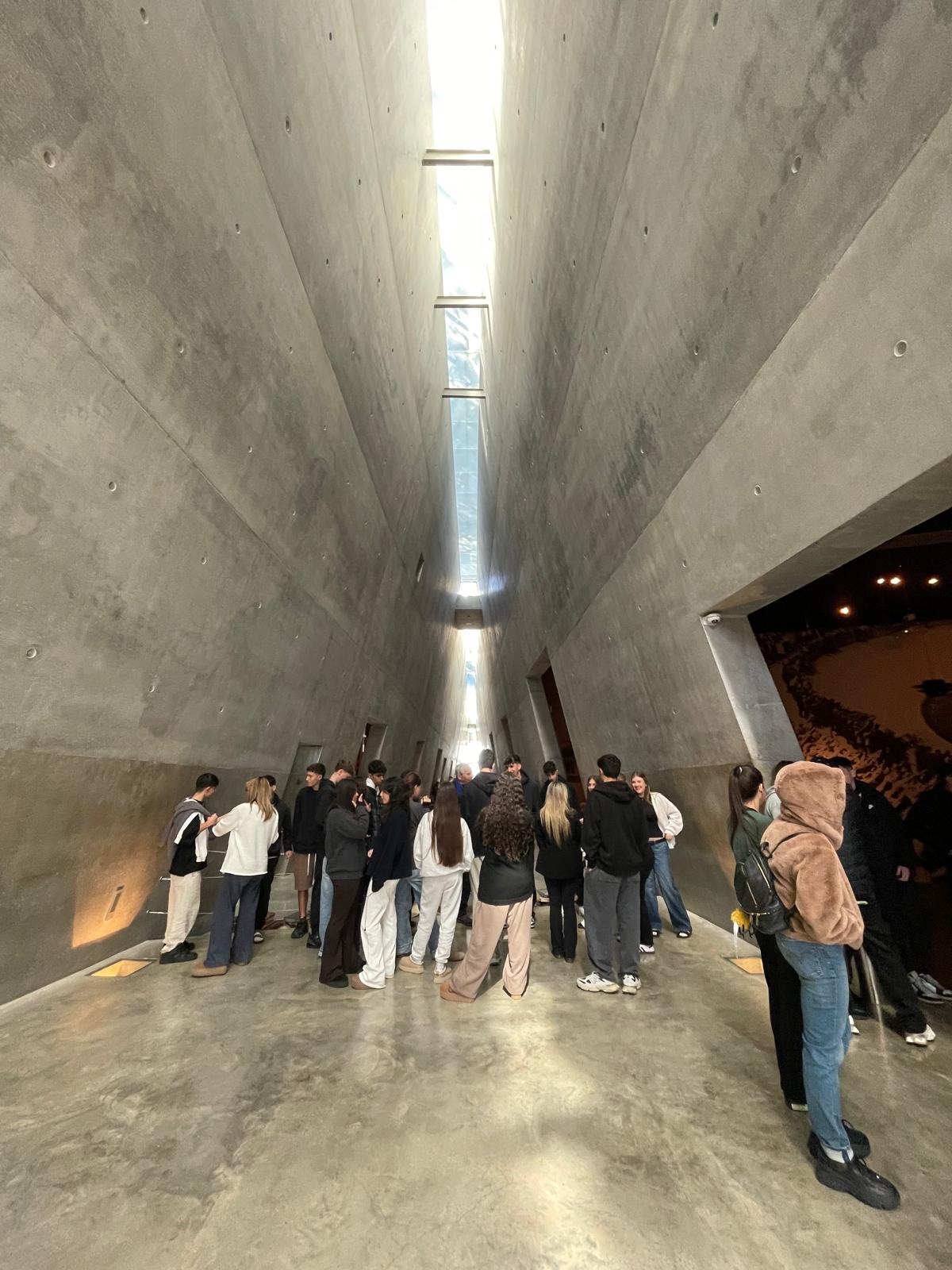
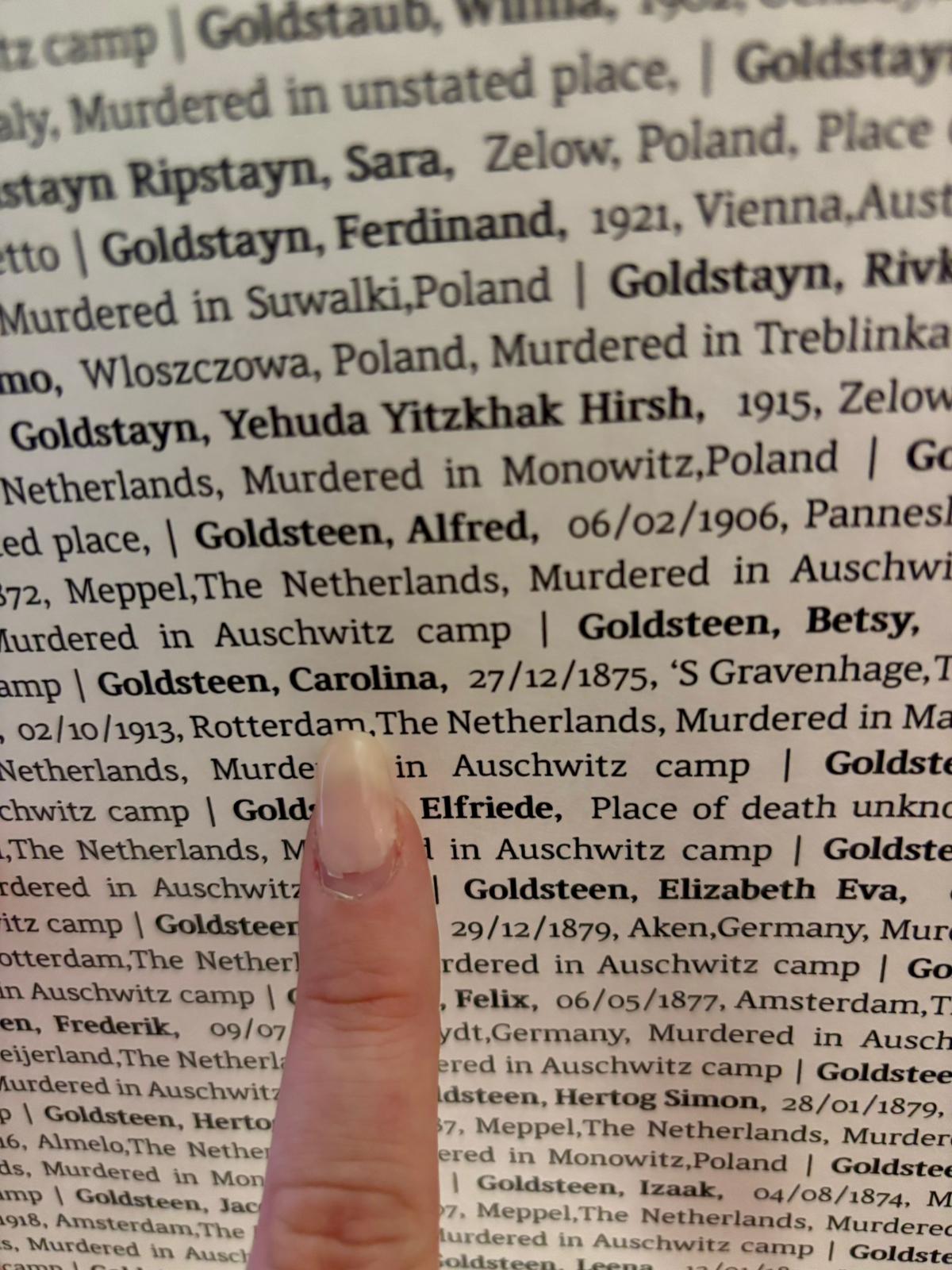
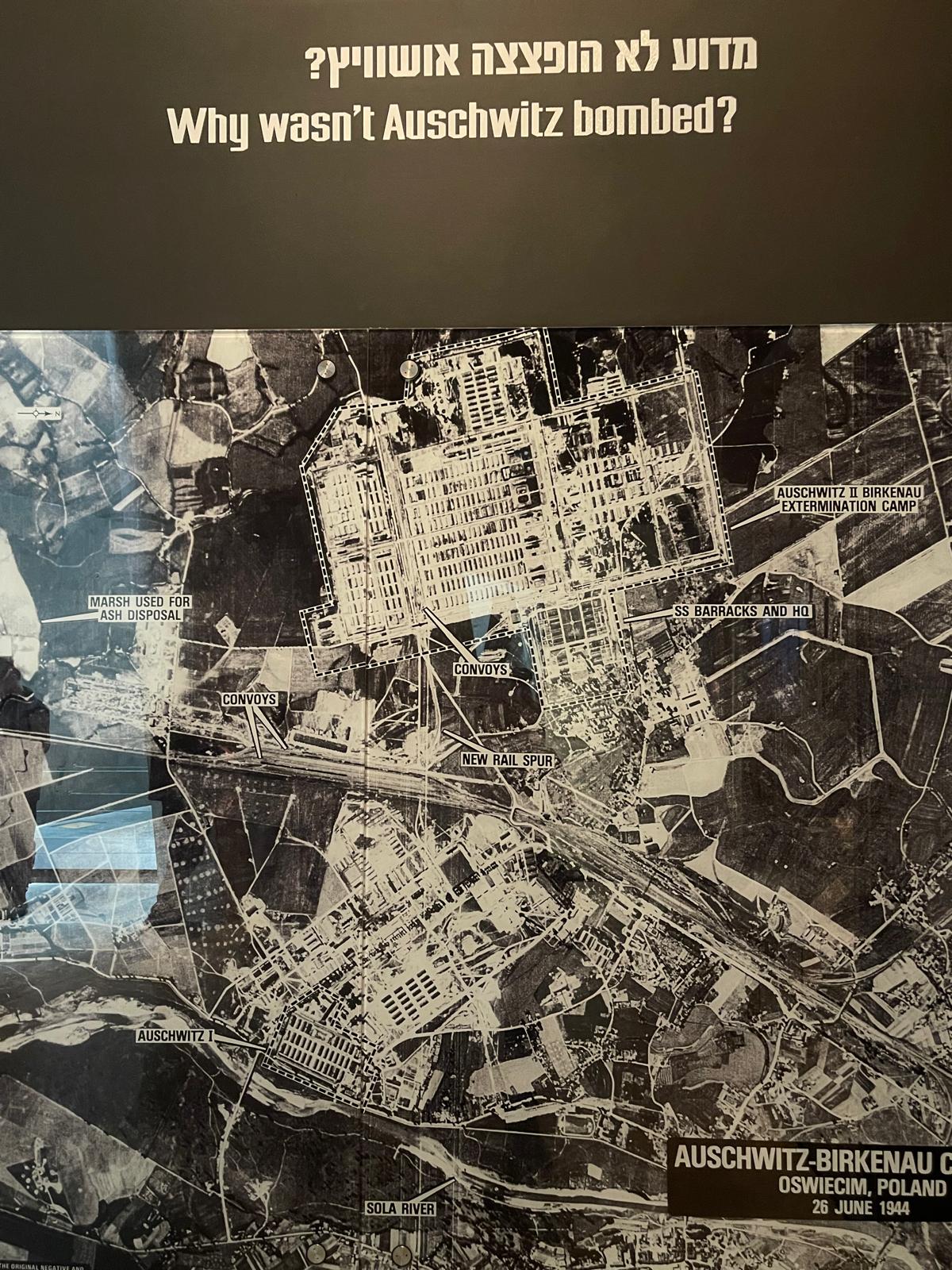
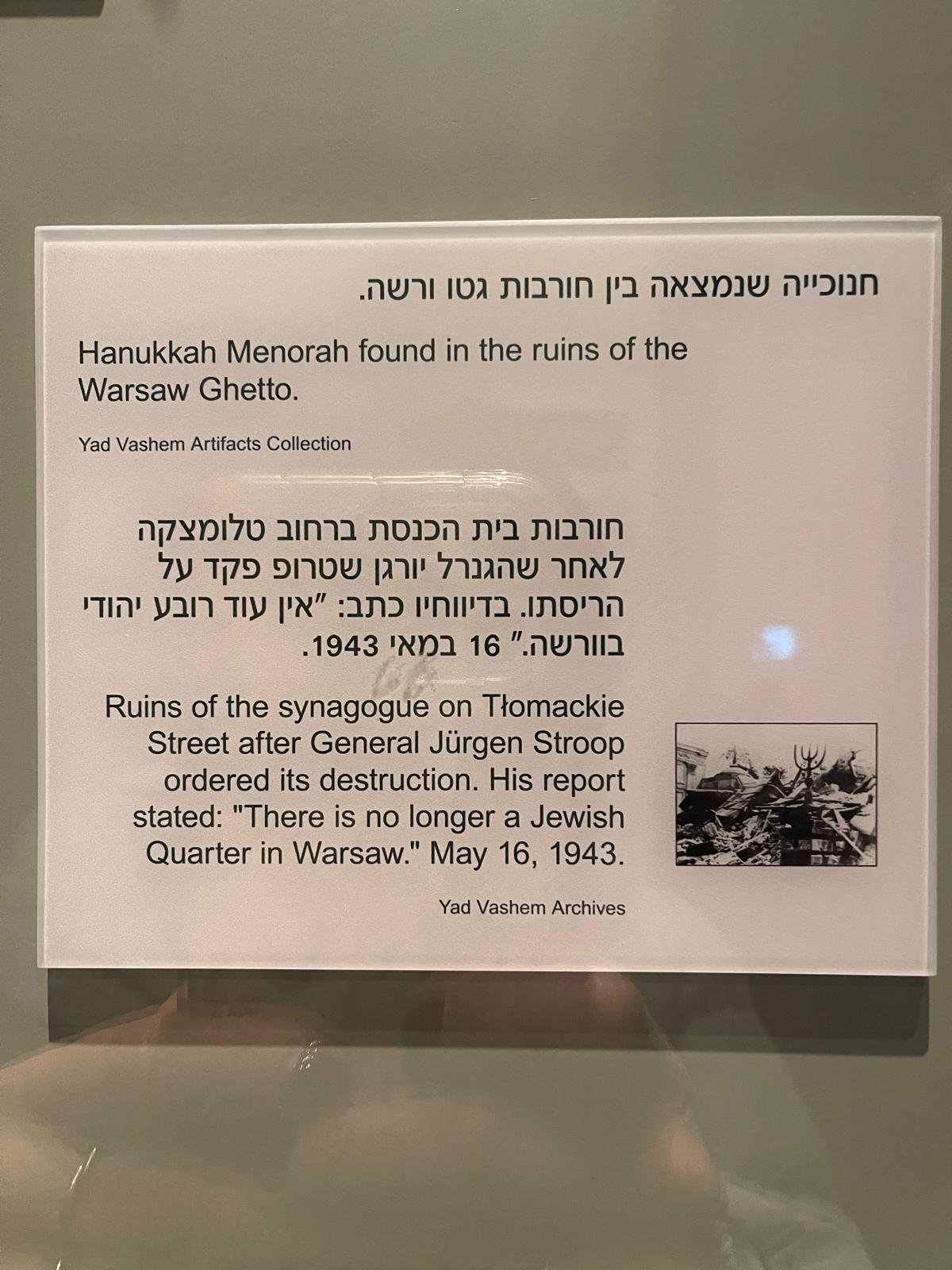
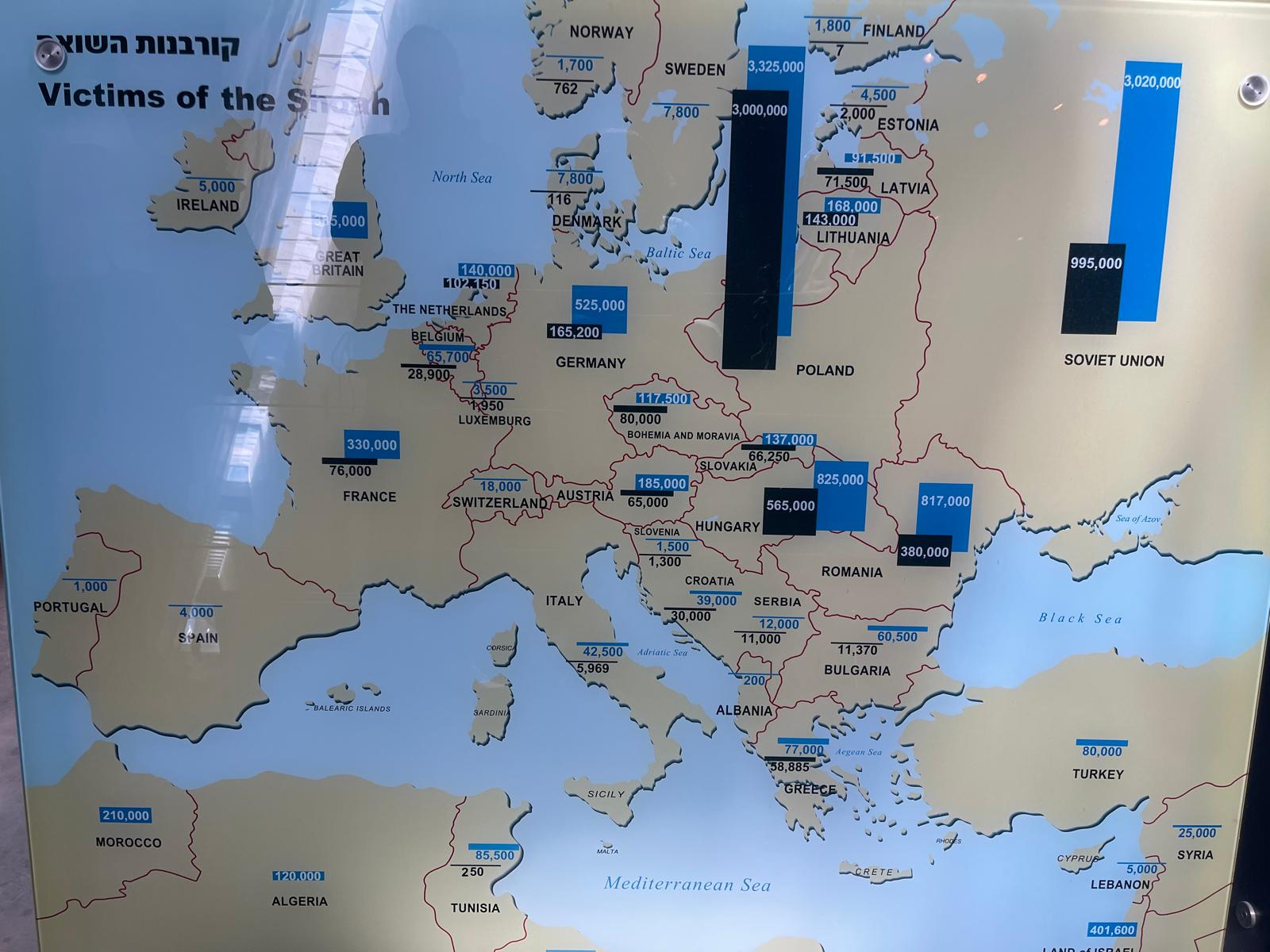
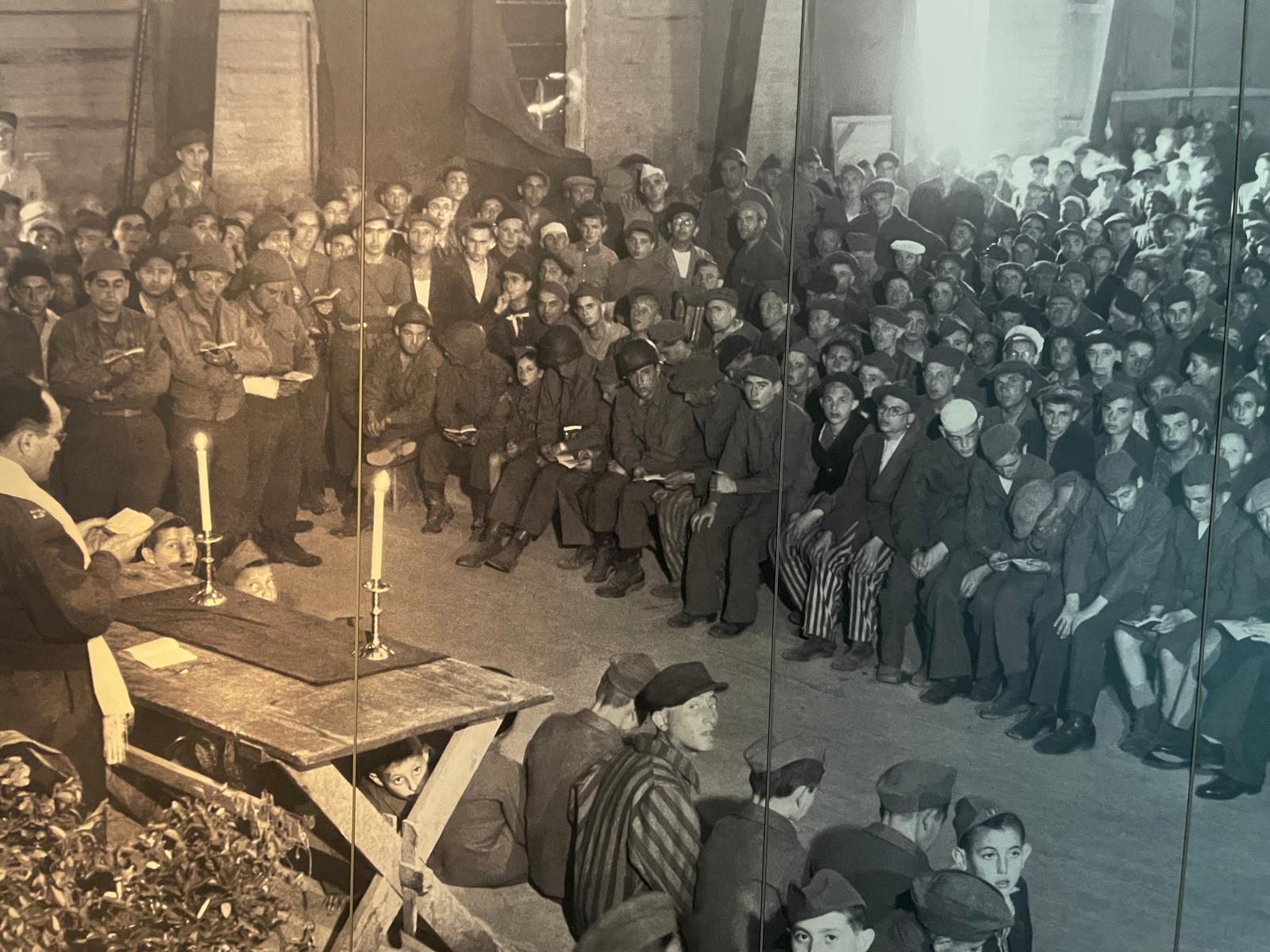
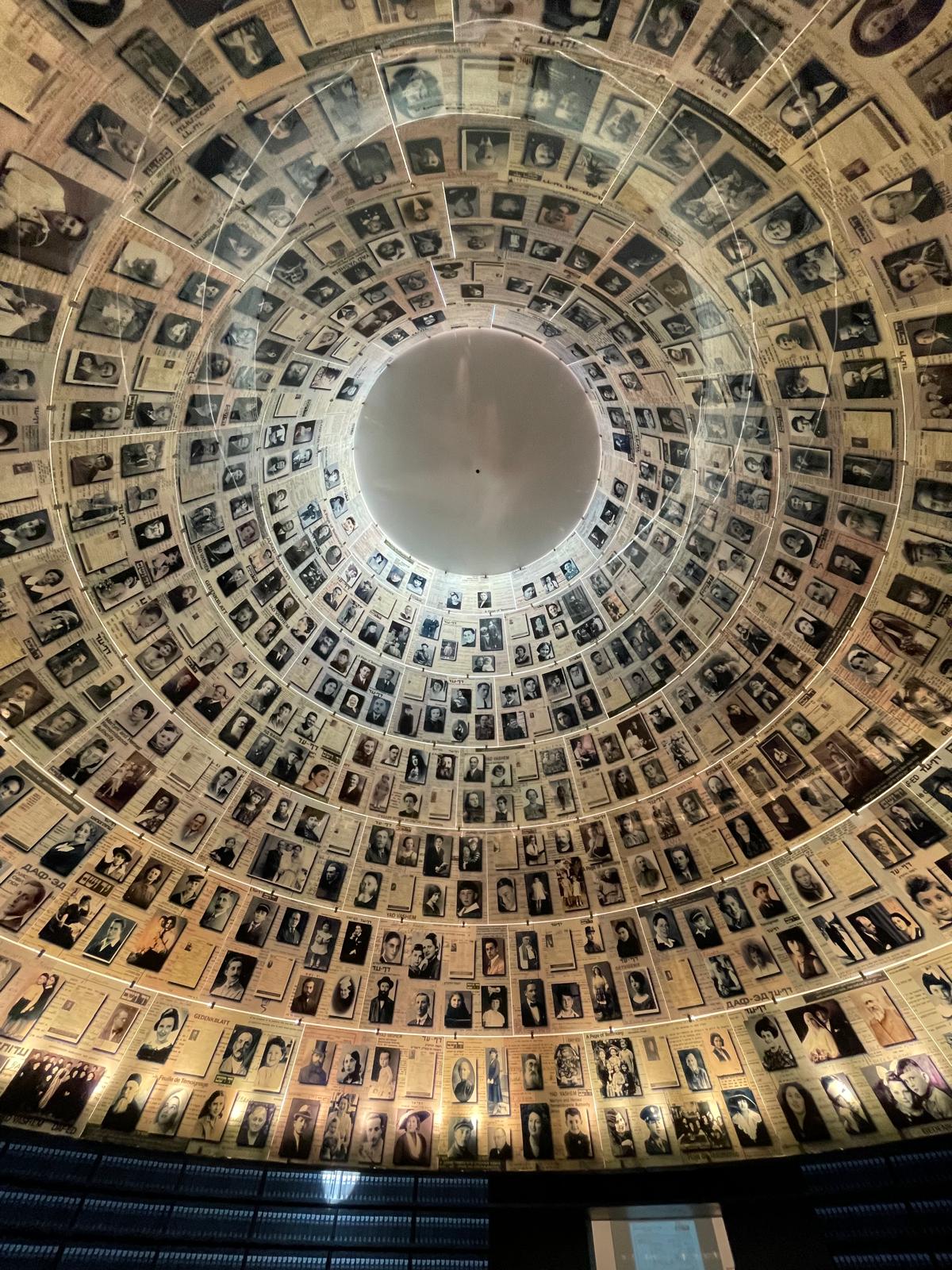
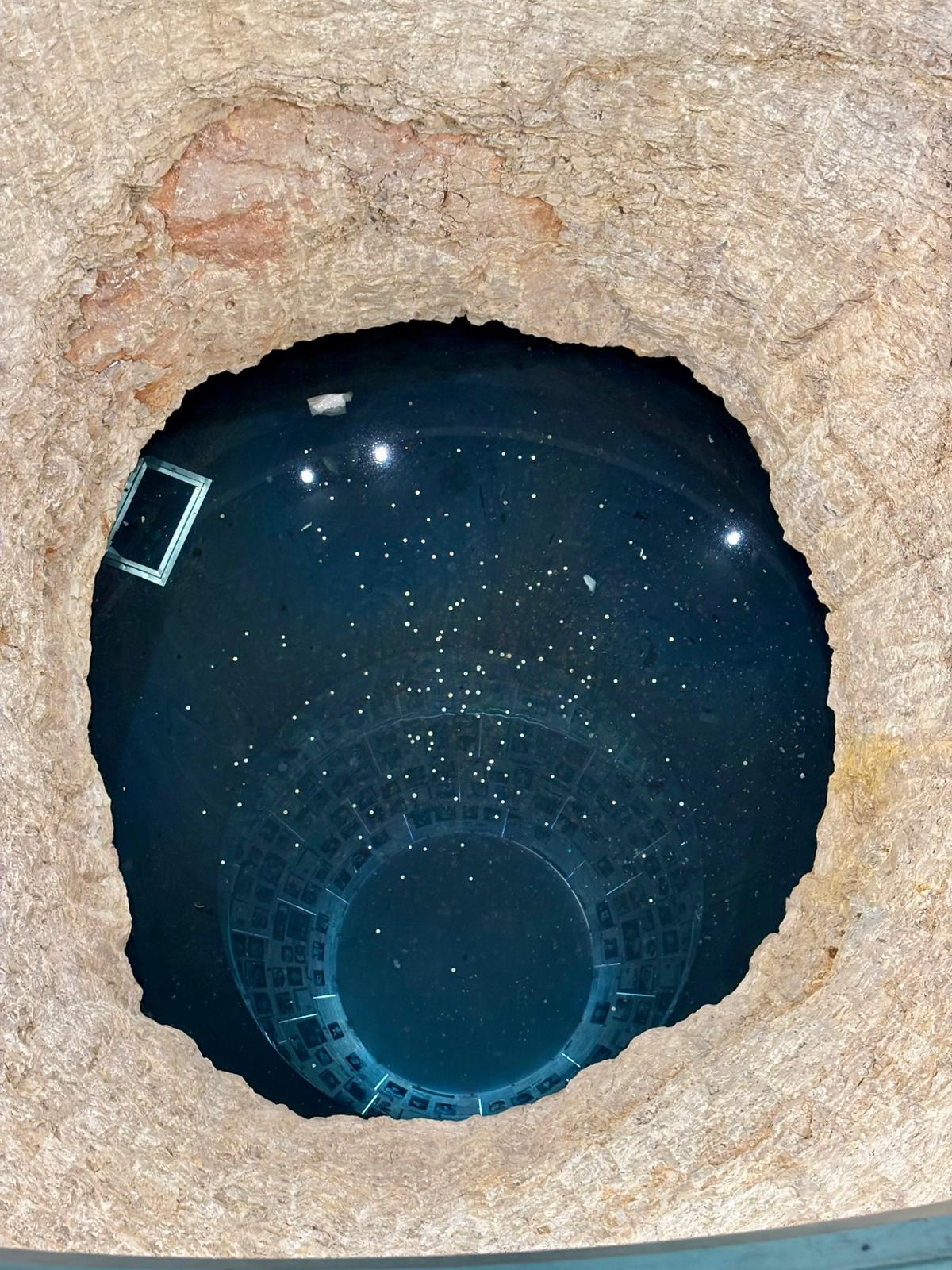
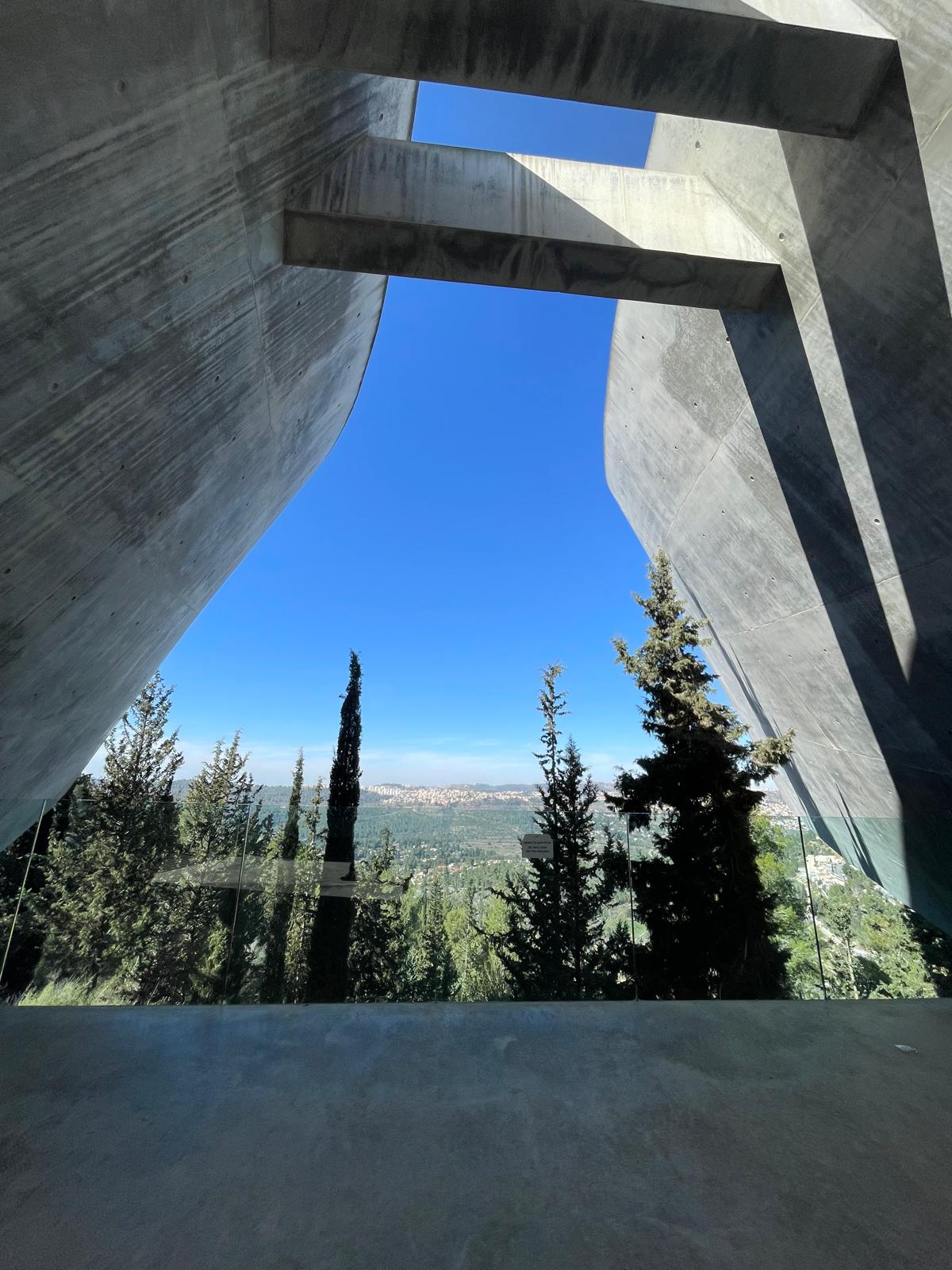
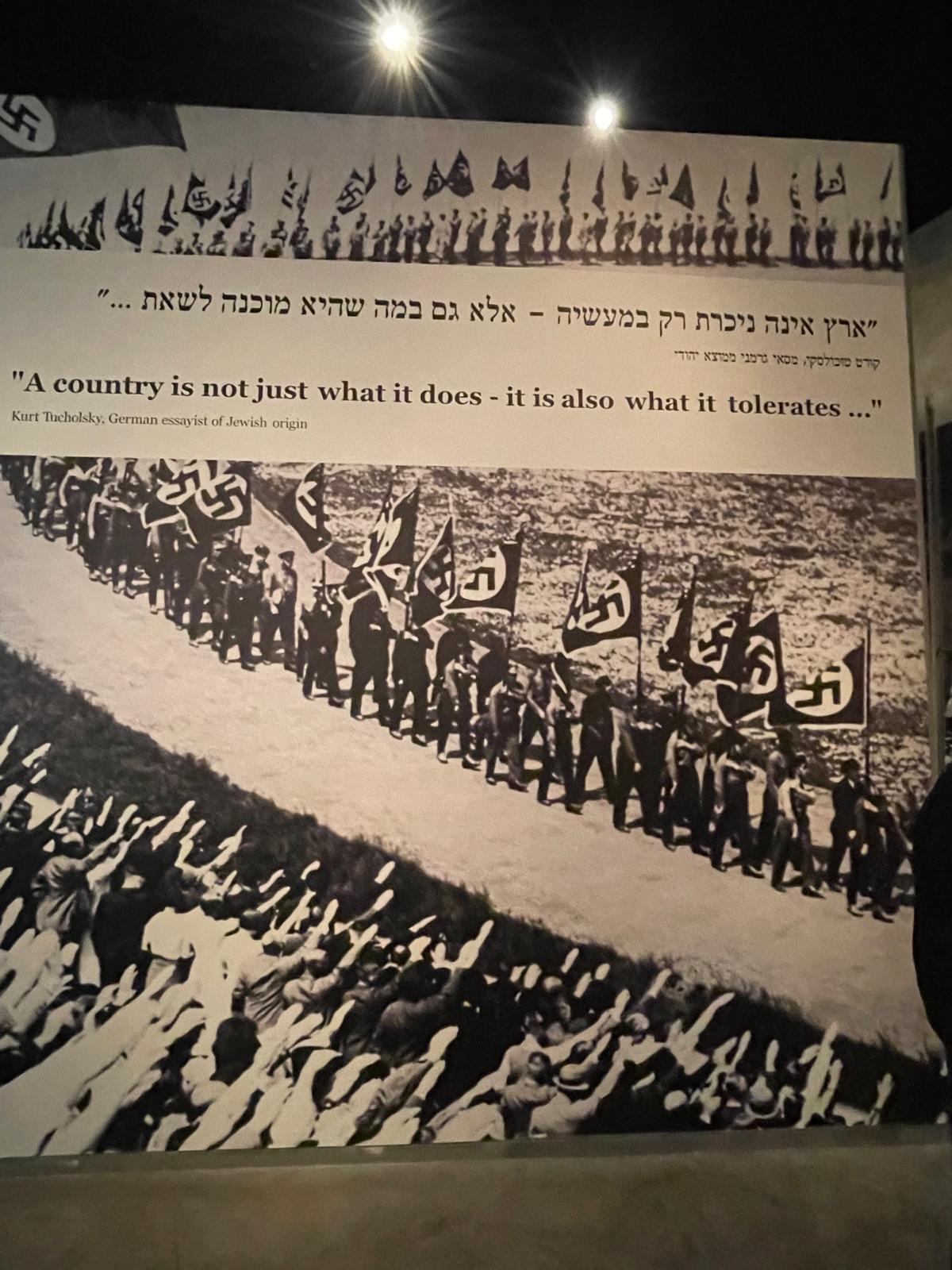
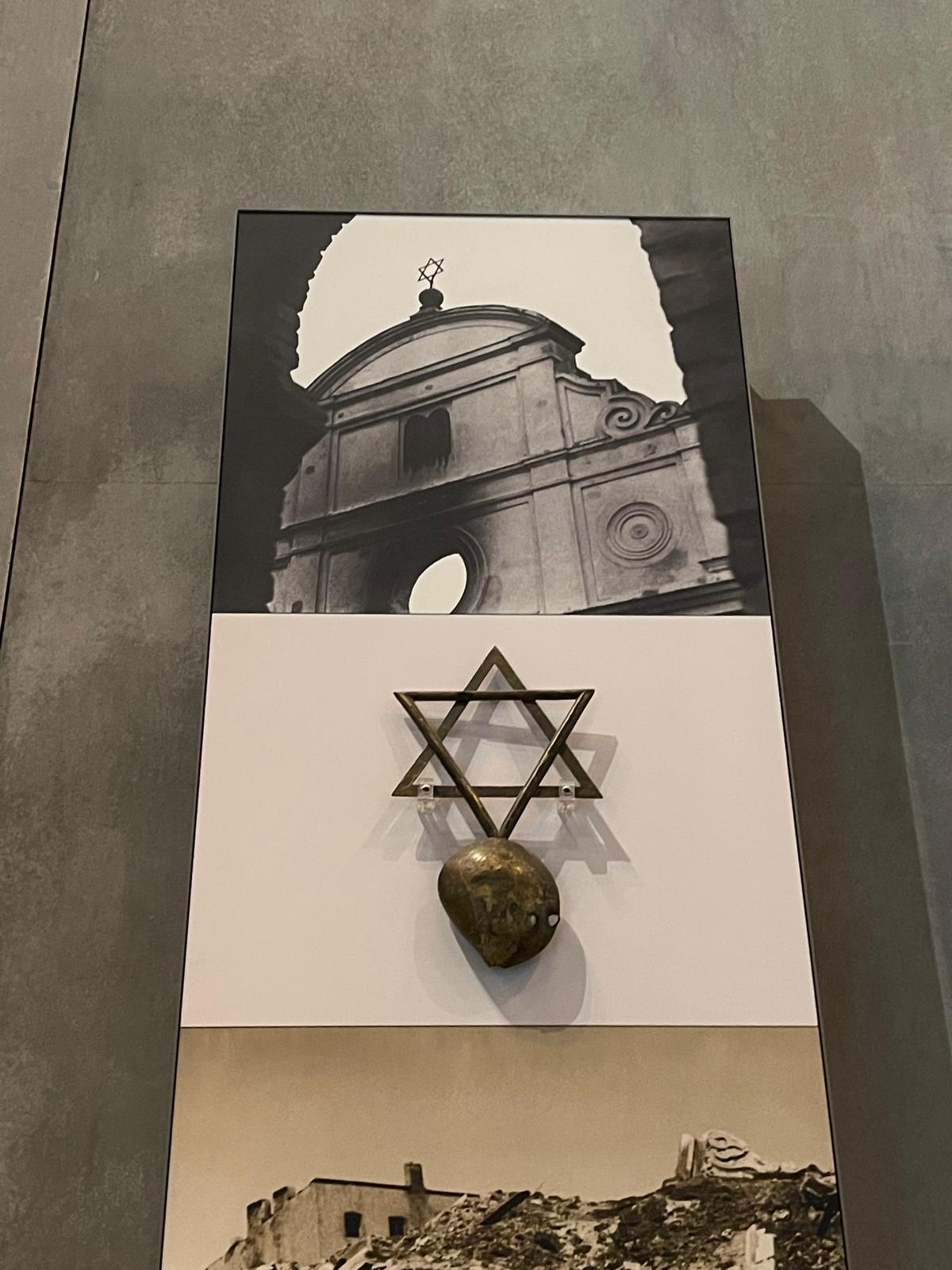
We finished the interior of the museum with a look into the Book of Names, identifying family and forming connections across generations. I found my namesake, Carolina (Keila) Goldsteen, and 57 of my ancestors out of over 100s who perished.
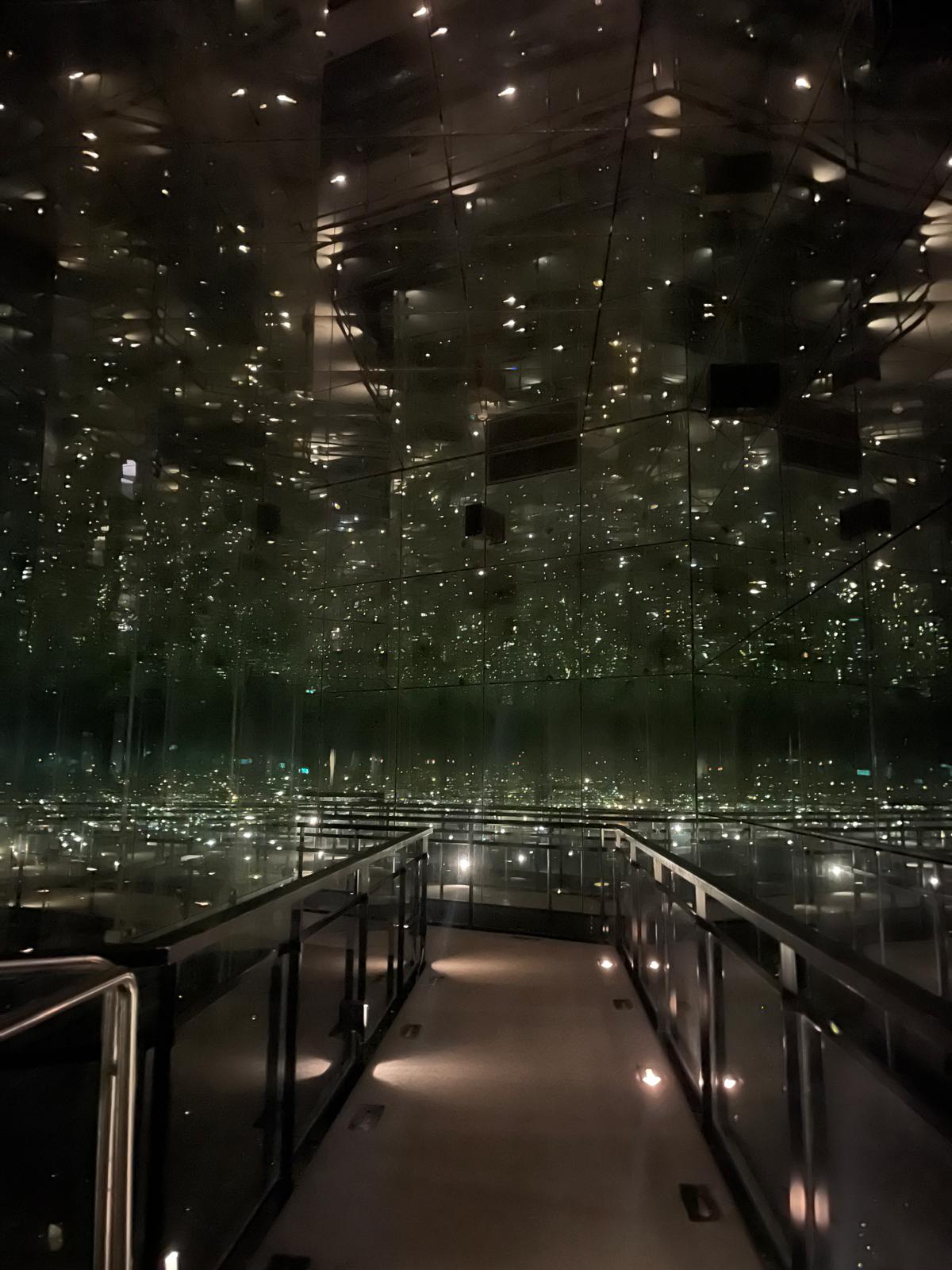
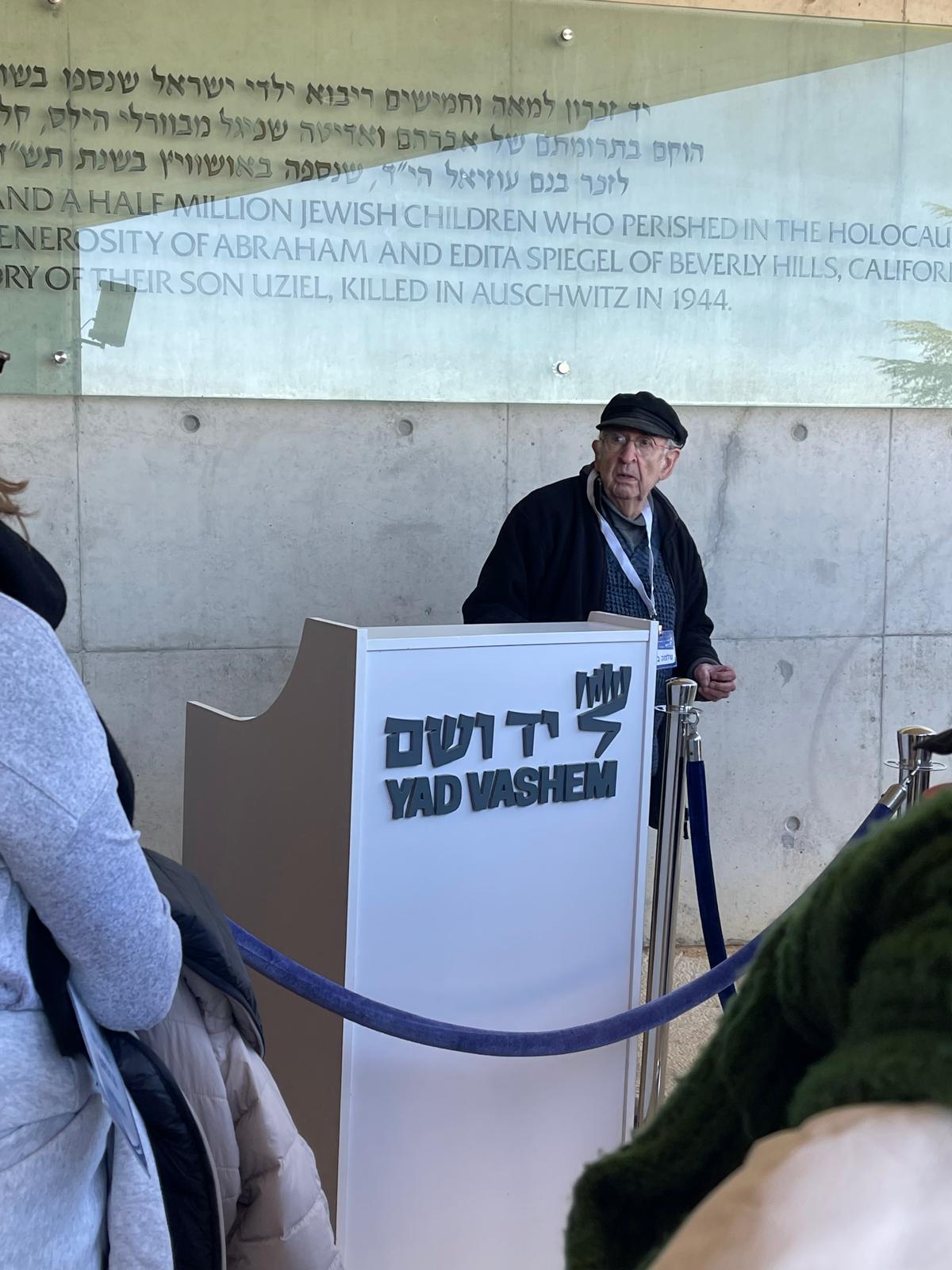
We finished with a tour of the 2800 recorded Righteous Among the Nations with Shlomo Balsam. Then we entered into the “Yad Veyeled – The Children’s Memorial”, goosebumps were covering every inch of skin when we heard the names, ages and countries of birth of the children who perished in the Holocaust.
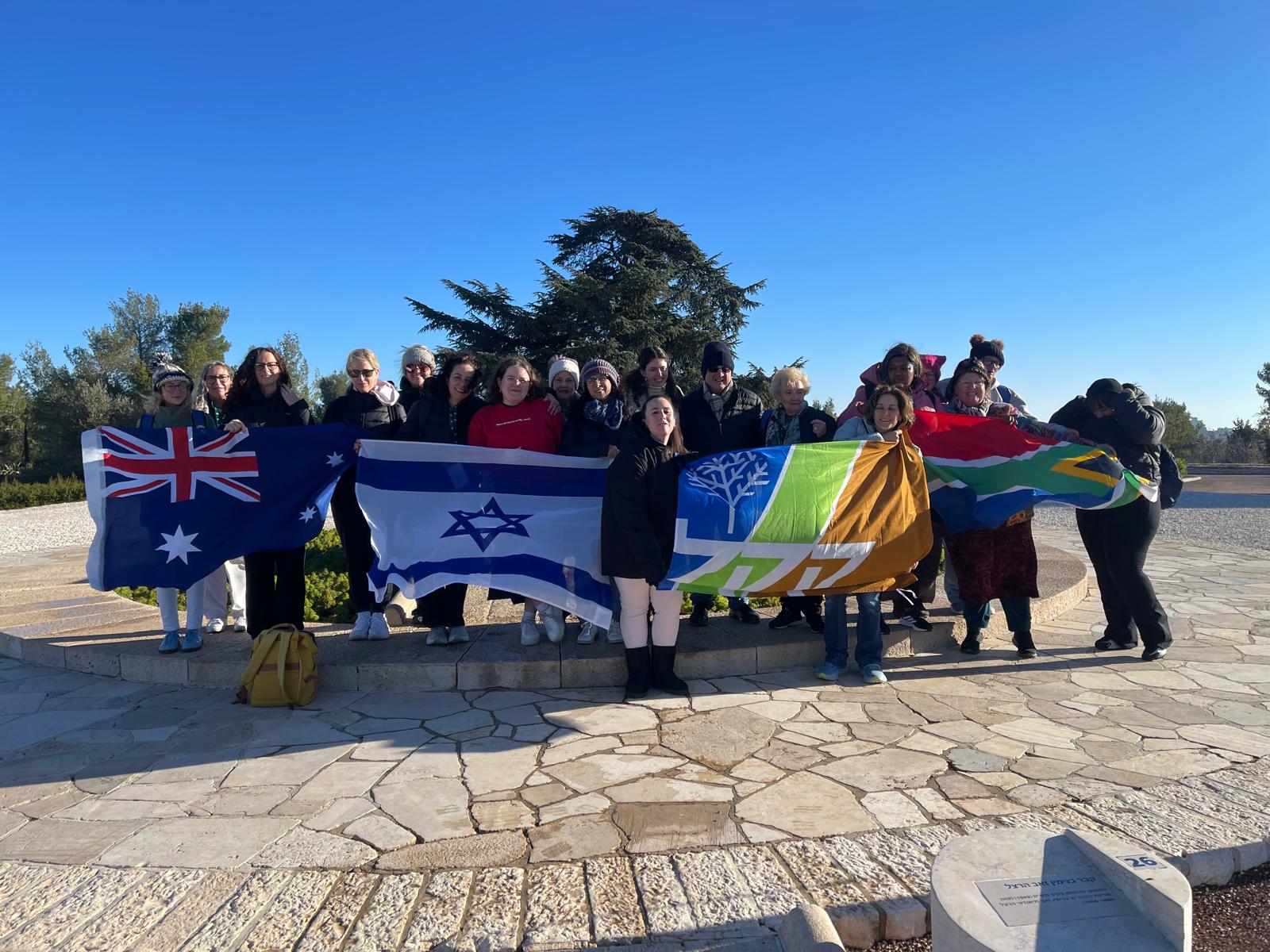
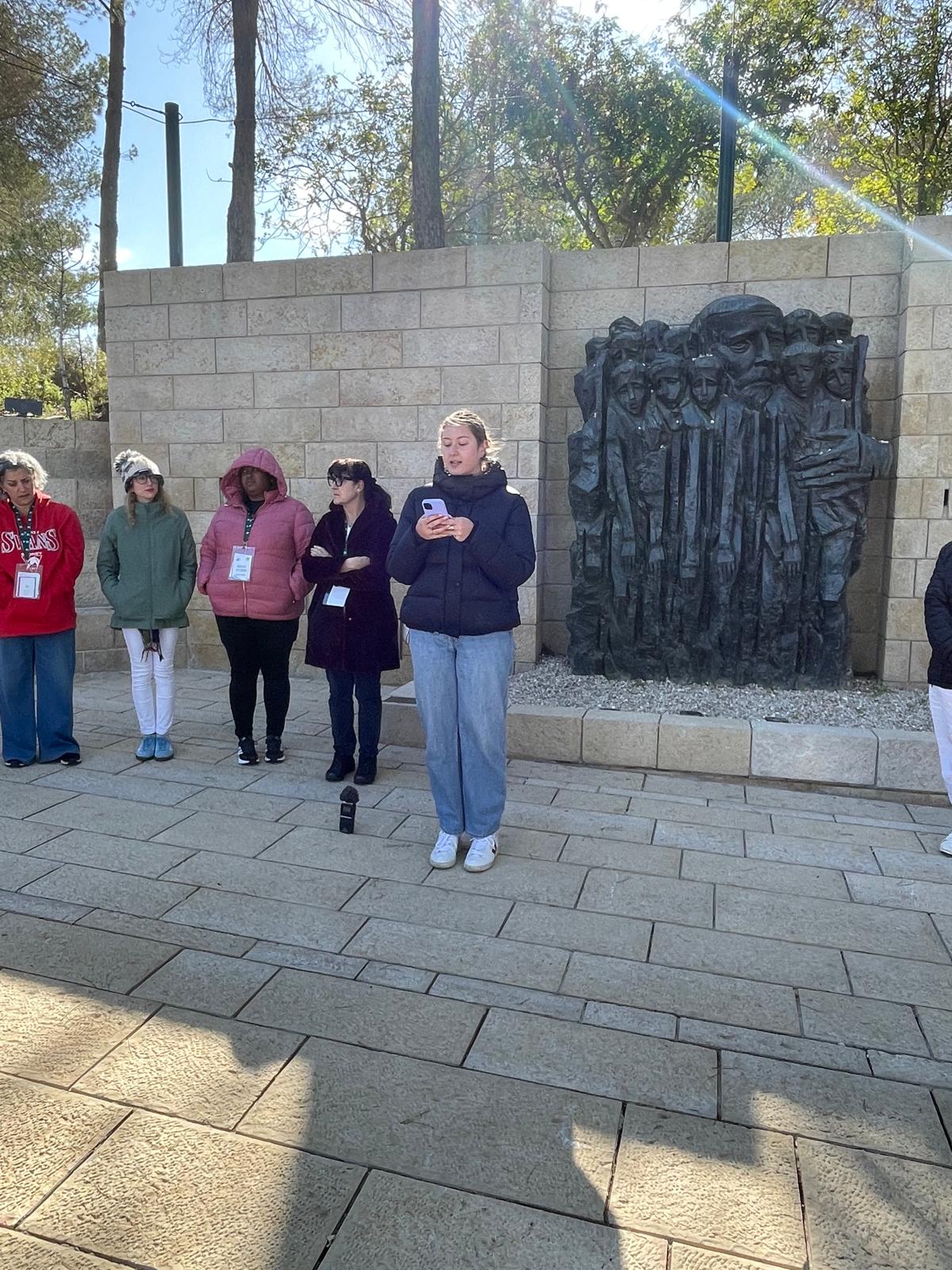
After walking out, Eden graced us with a Yiddish song, “Hymn of the Partisans” by Hirsh Glik, sung by Jewish youth worldwide. Hearing her voice among the wind rushing through the trees, standing at the Memorial of Children, created a blurry world for me. We wrapped up with a harmonious rendition of HaTikvah, as educators from South Africa and Australia raised their voices in unity.
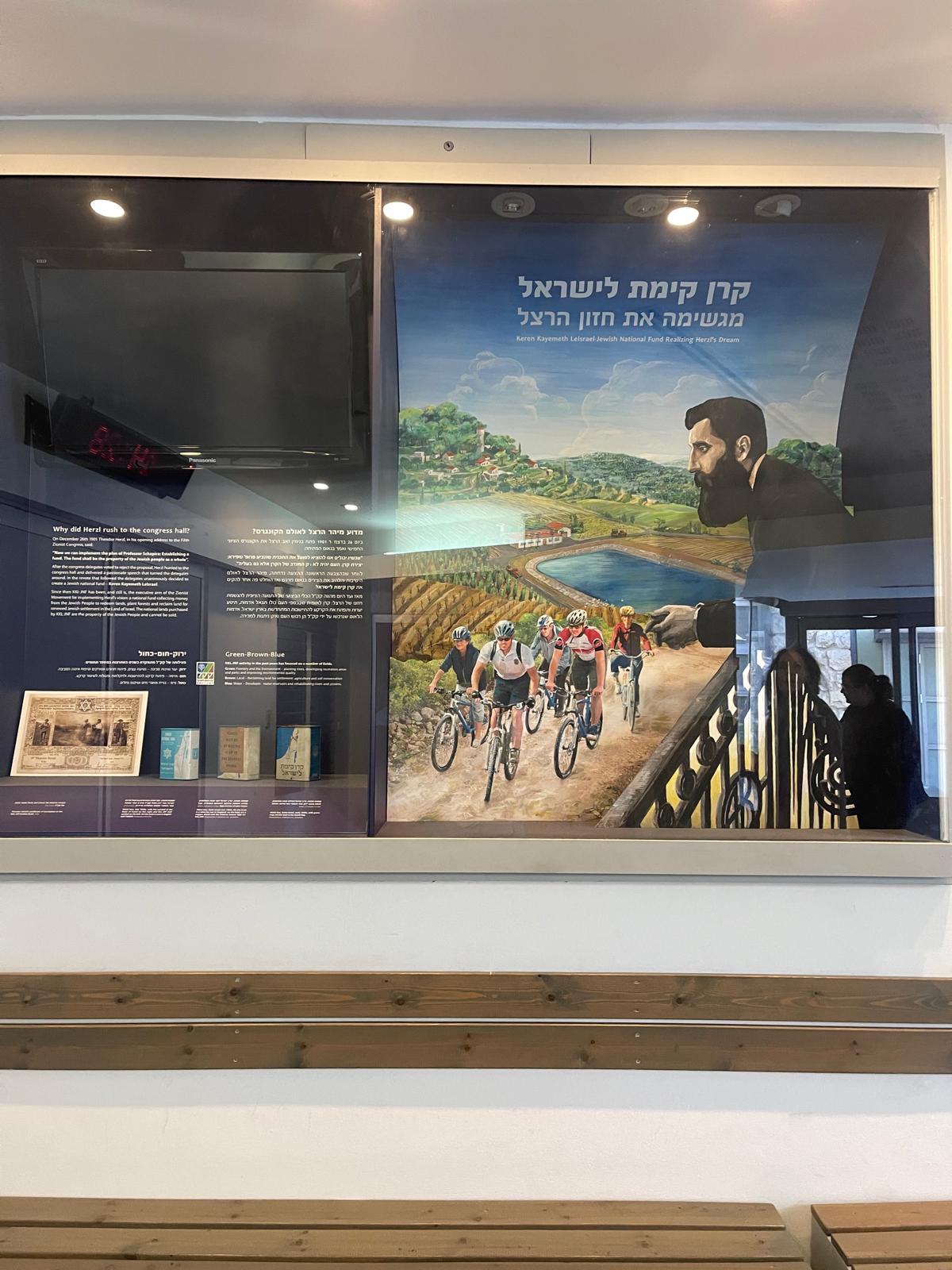
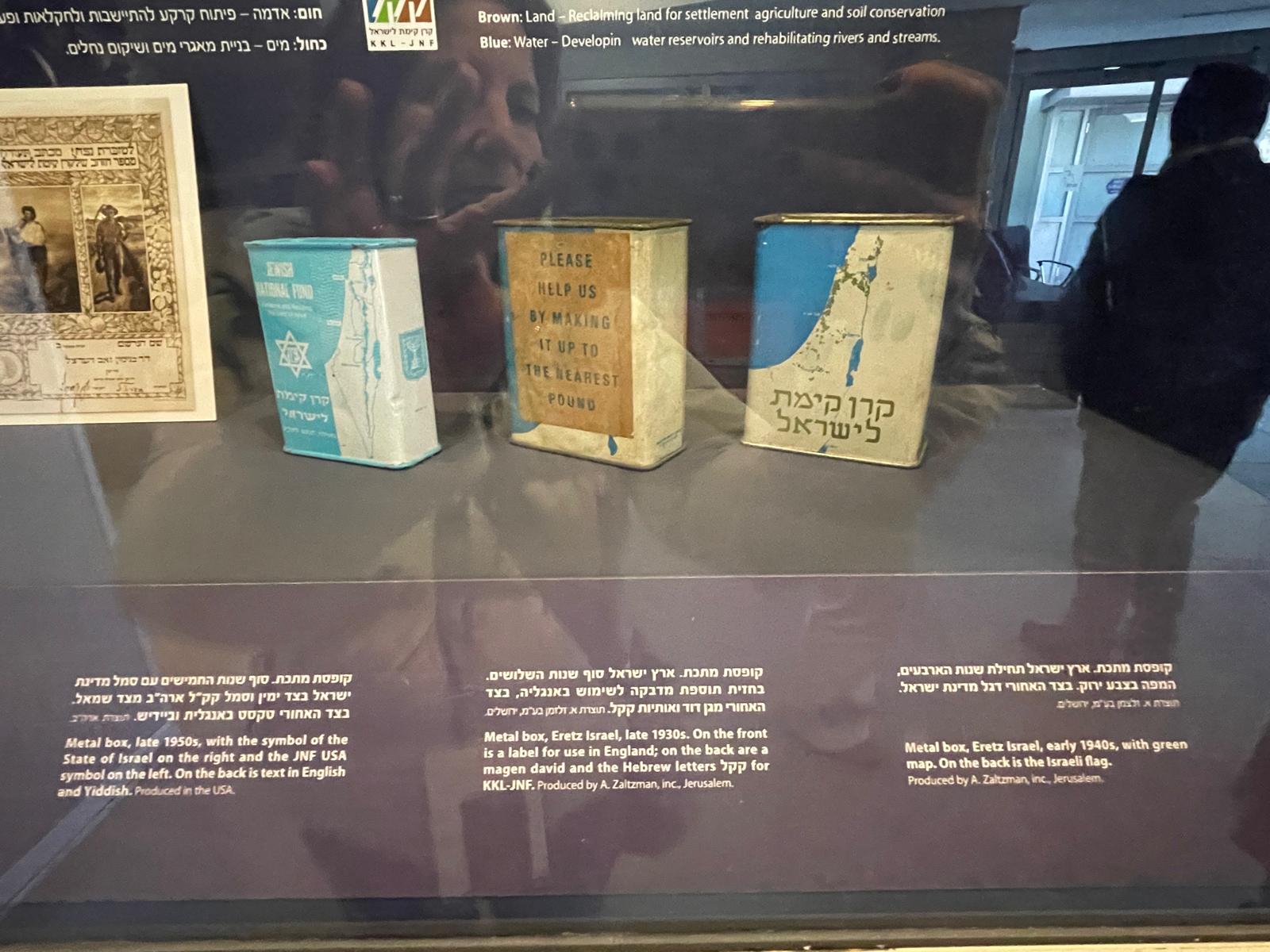
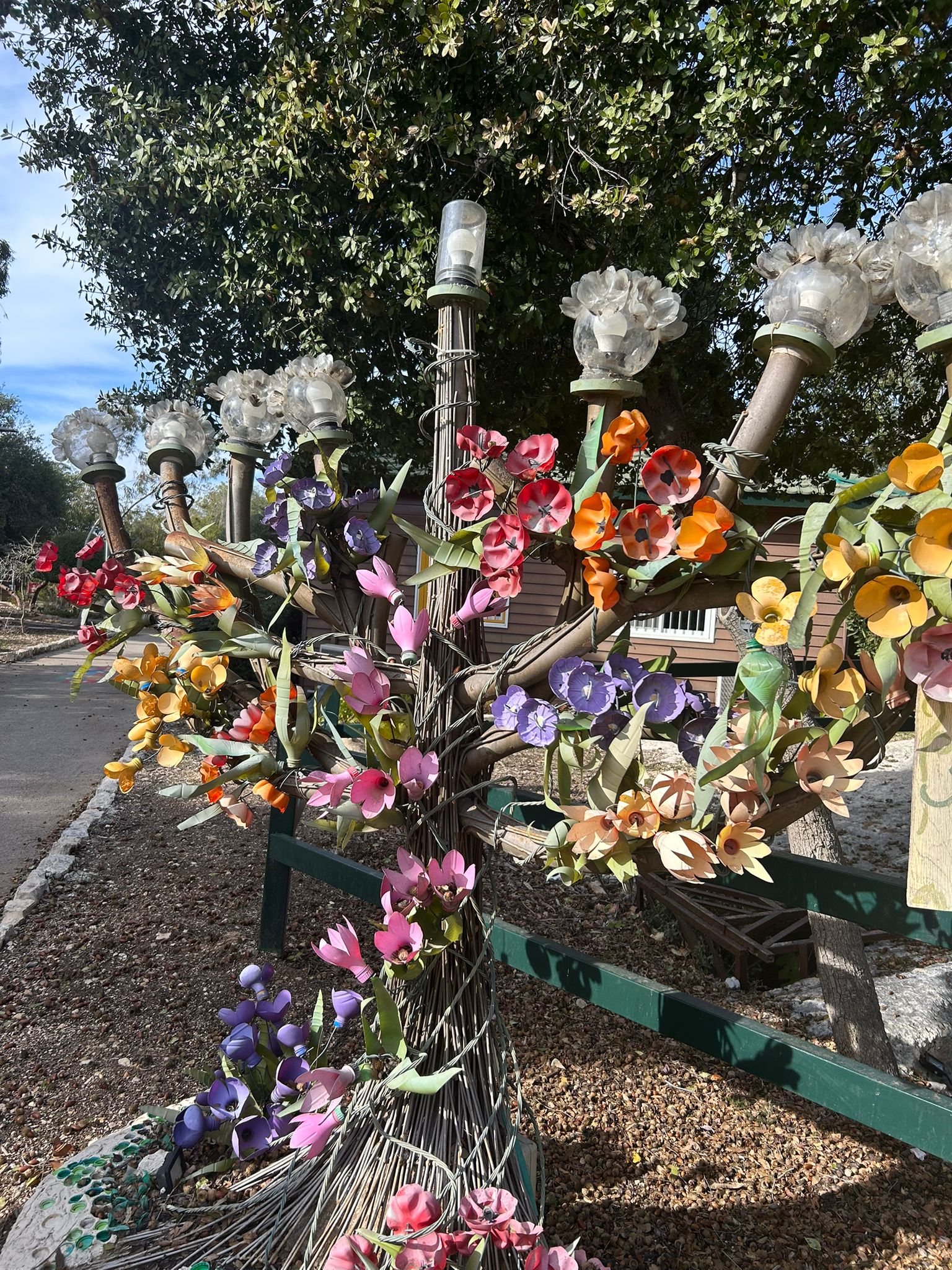
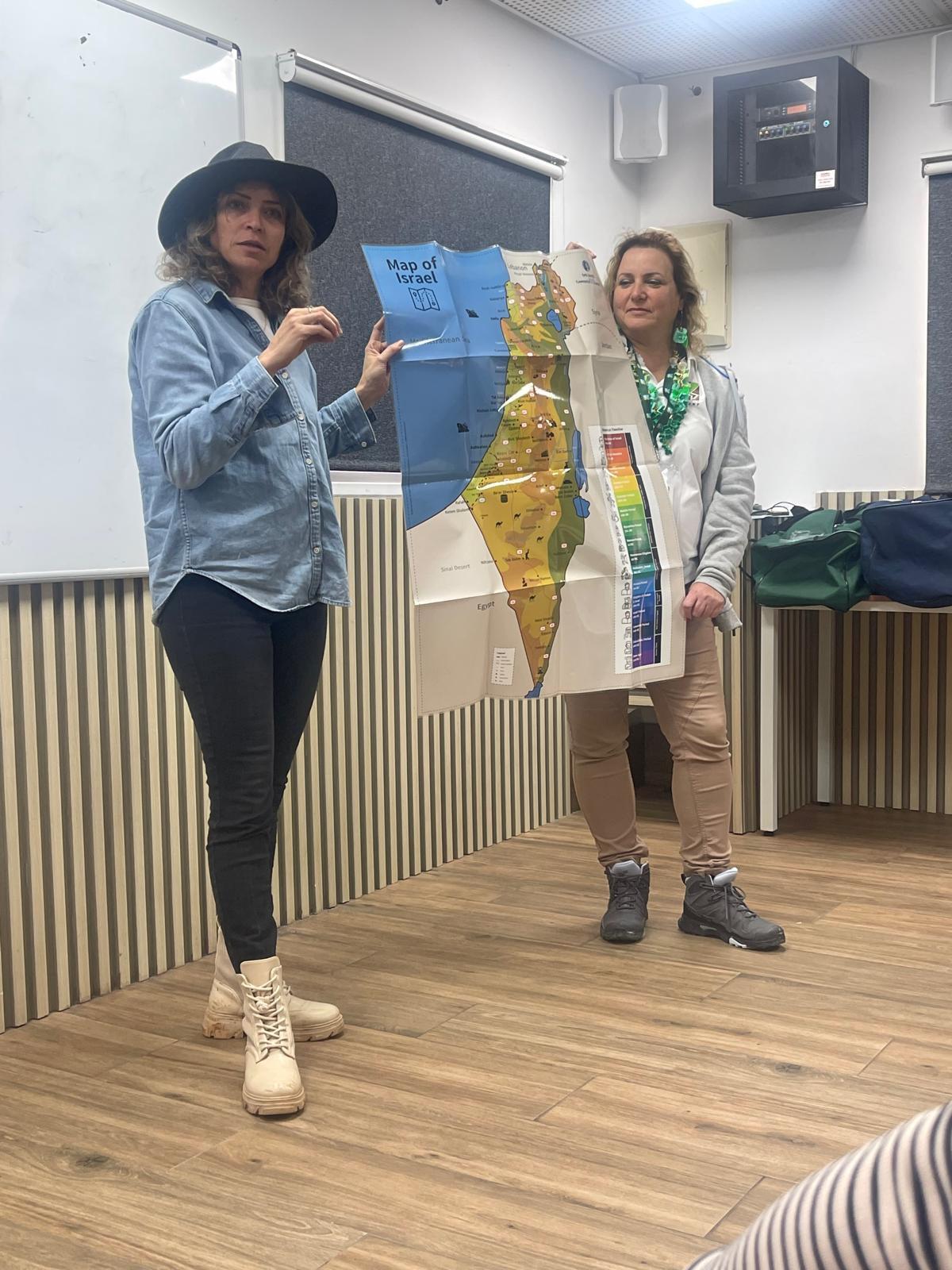
We walked into a beautifully catered lunch in Ness Harim (KKL-JNF Education Centre). After enjoying ourselves, we wandered into a warm cabin on the grounds to a workshop by Maayan Dehan. She covered the history of JNF from its establishment at the Fifth Zionist Congress in 1901 until today. A multitude of questions were asked, and discussions were had.
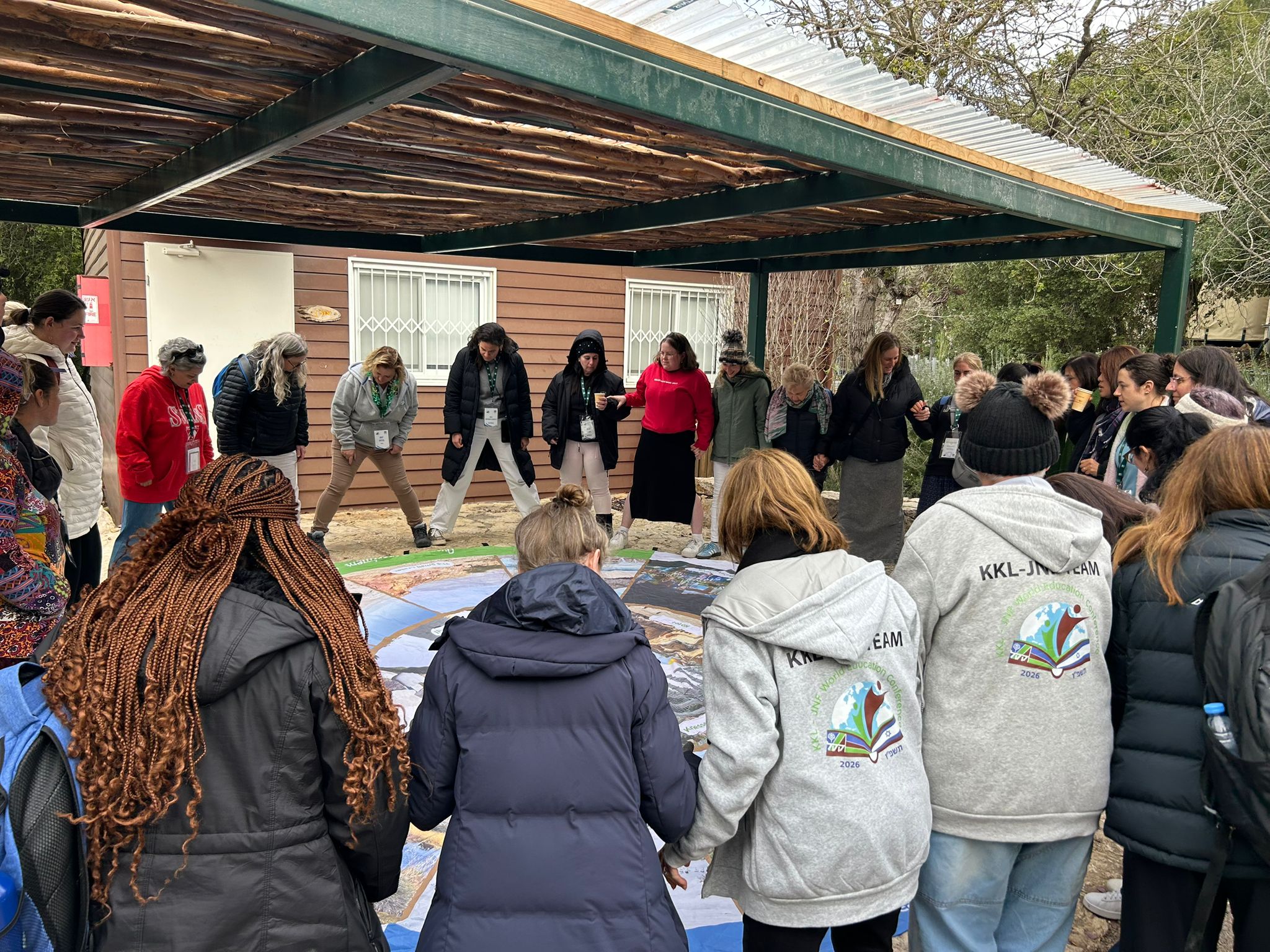
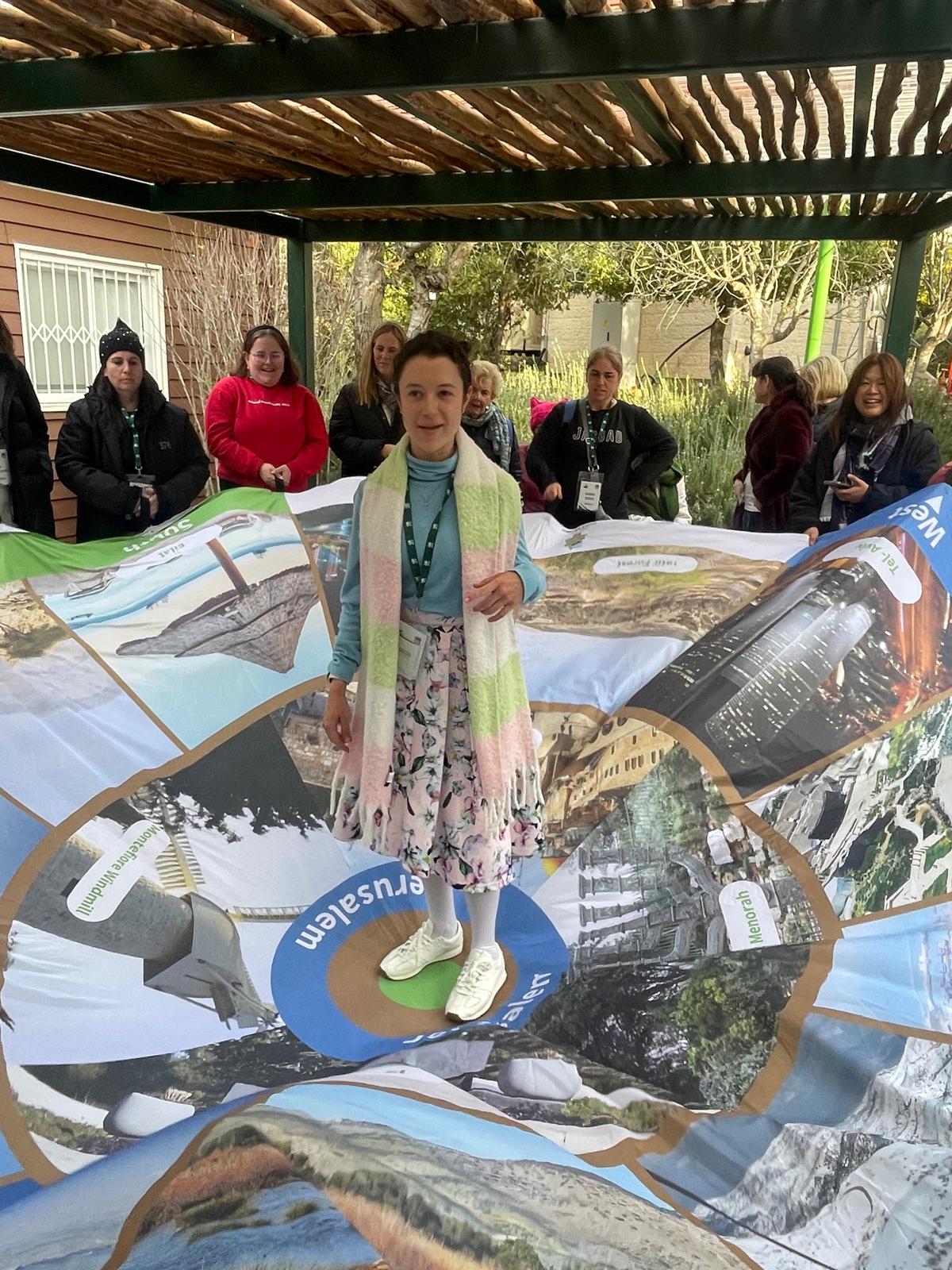
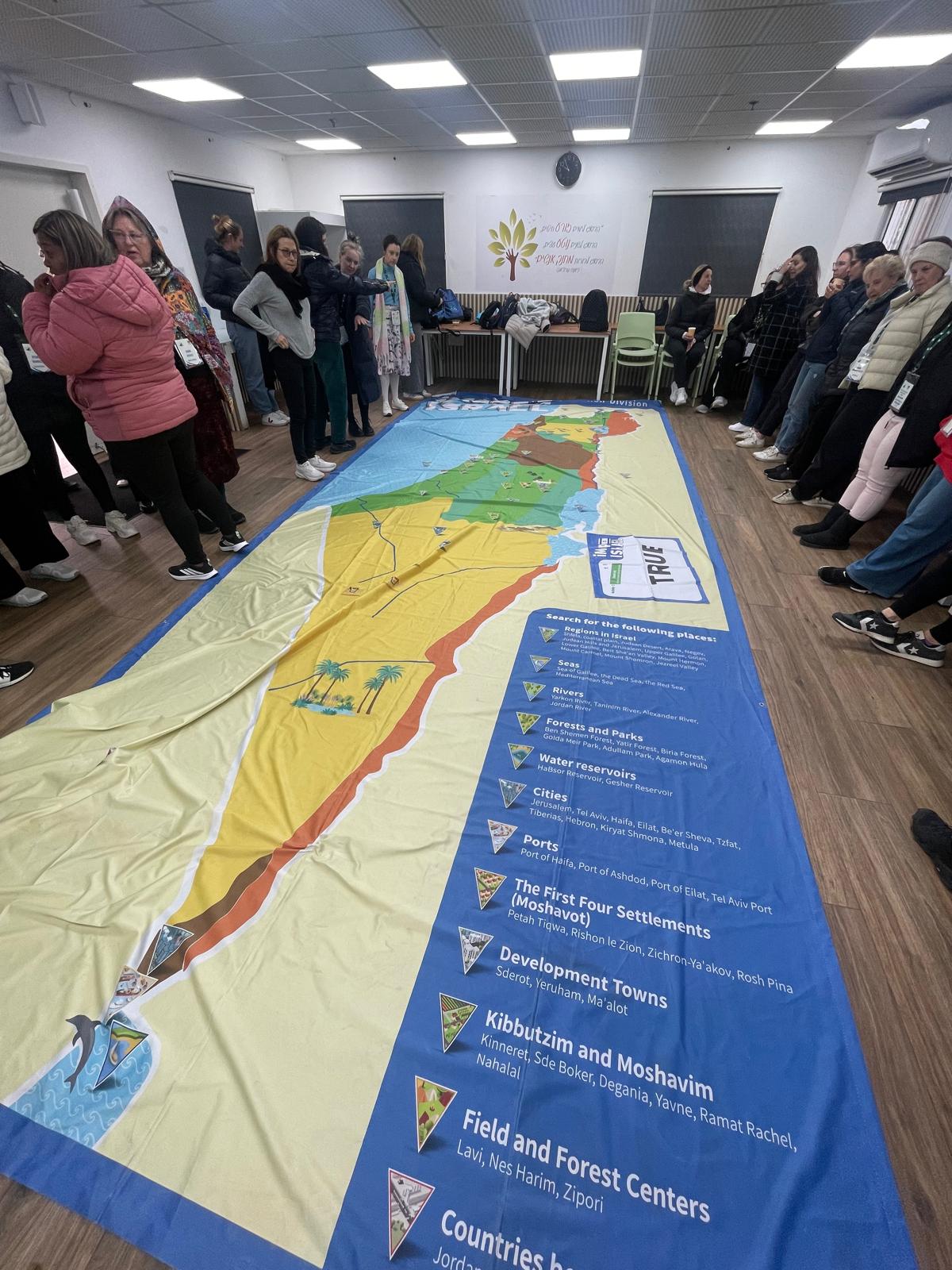
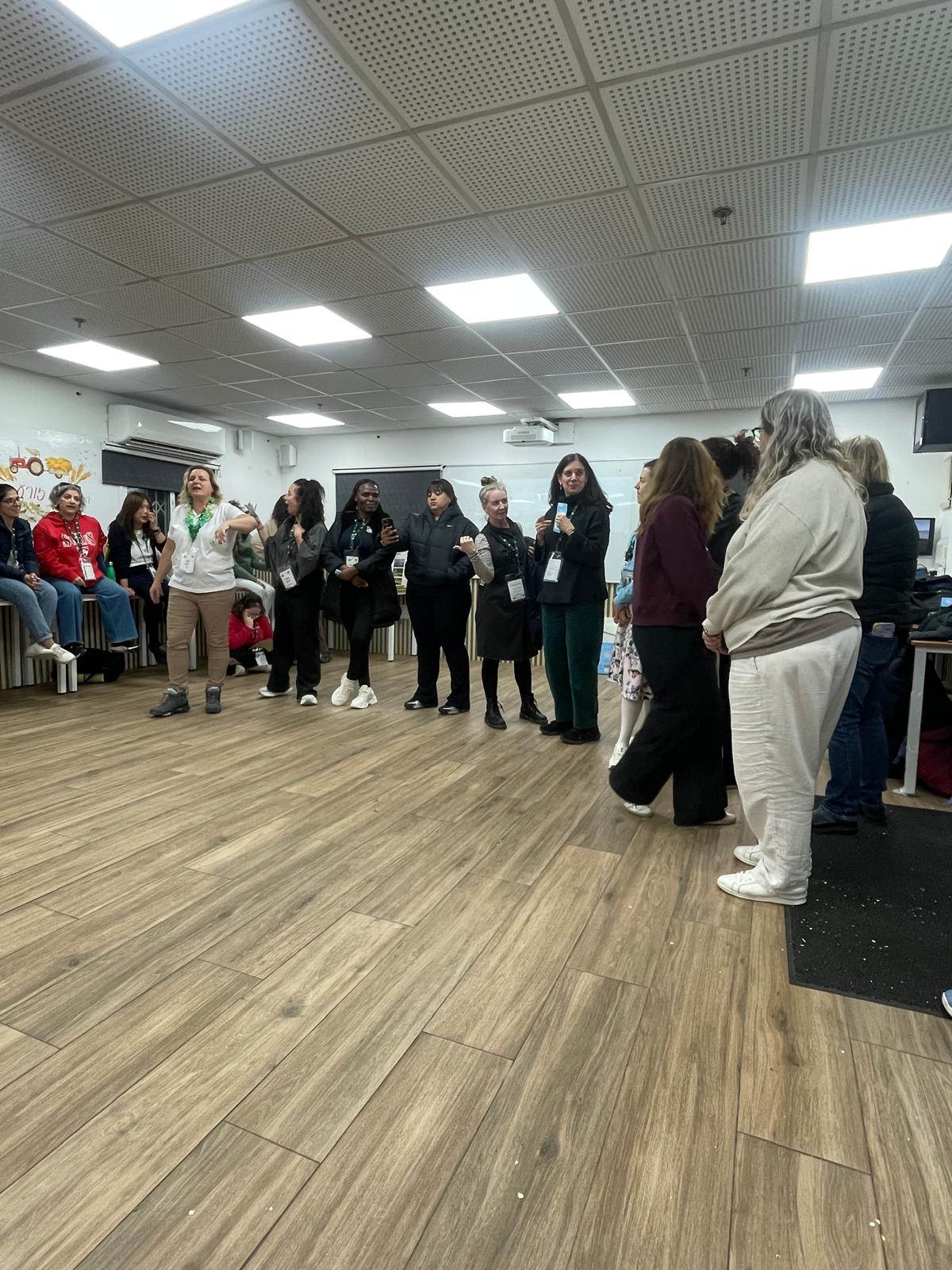
Orit opened Educational Kits that JNF-KKL provides learning institutions with. We, as educators and adults, played a parachute game with Israeli cities and locations pictured on it. Throwing the fabric into the air to get a ball to a certain location. Then we were presented with a huge blank ‘iMap’ of Israel, and in groups, which we maturely named ‘Bamba’ & ‘Bisli’, had to run to locate various locations and sites. We were having childish fun through cheering for each other, booing the other team and nudging a fellow participant to move the token to the correct location. We continued to play games that highlighted Israeli history, culture and sights, learning through play about how to bring these ideas to the classroom from Kindergarten rooms to the final years.
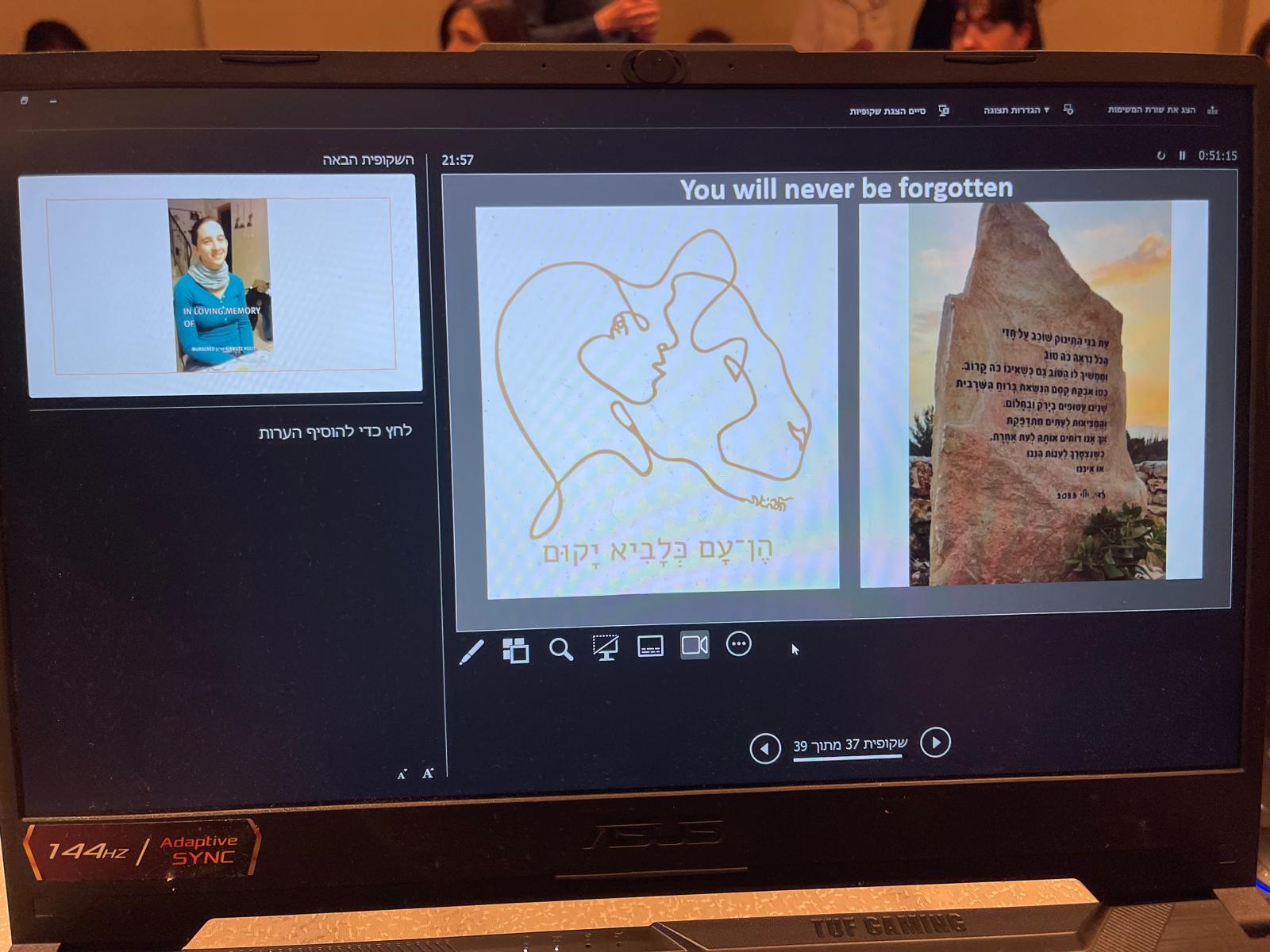
We ended our evening sitting with the parents of Adi Vital-Kaploun z”l. Her mother, Jacqui Rivers Vital and her father, Yaron Kaploun who was a survivor and a witness of October 7th. Jacqui, a strong voice filled with unbidden emotion, gave us an insight into who their daughter was, how she lived her life, raised her family and established a group for Kibbutz Holit, through video testimonies and words from friends. We learnt of her courageous actions on that horrific day and the fate of her and their family. Jacqui finished with these words to describe her daughter, “Behold, the people shall rise as a great lion, and lift himself as a young lion” (from Barmidbar 23:24).
With a voice full of resolve, Yaron spoke about his experiences on that day, everything that he heard and felt, before he received his last message from his daughter, Adi, as well as sending what he thought would be his last messages to his family. Yaron detailed how he was recovered by the IDF and went with them to his daughter’s apartment, how he escaped from the kibbutz, to discovering that his grandchildren survived. Yaron described the miracles that happened to him, believing that his daughter’s, Adi’s, soul was watching over him and keeping him alive.
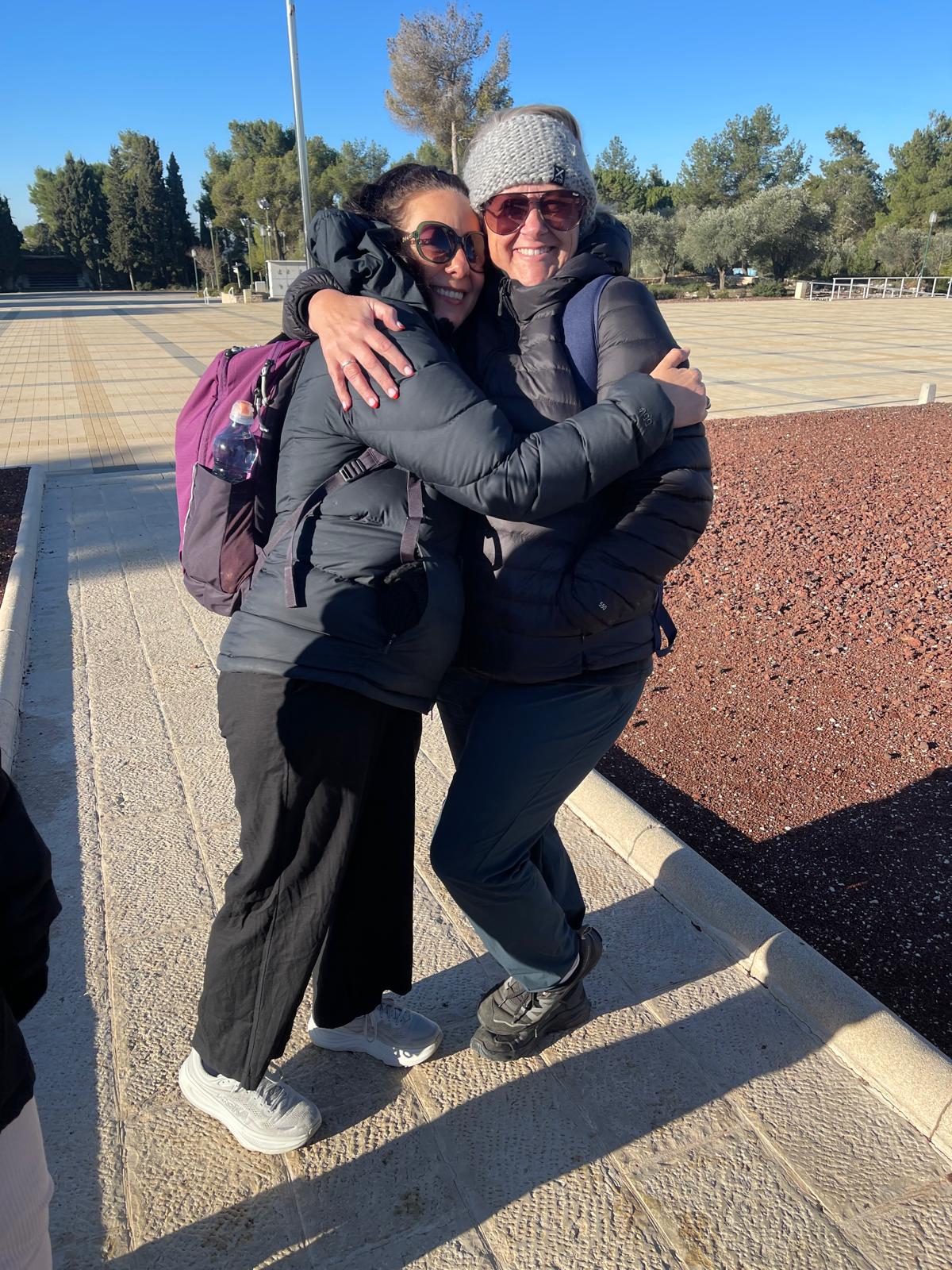
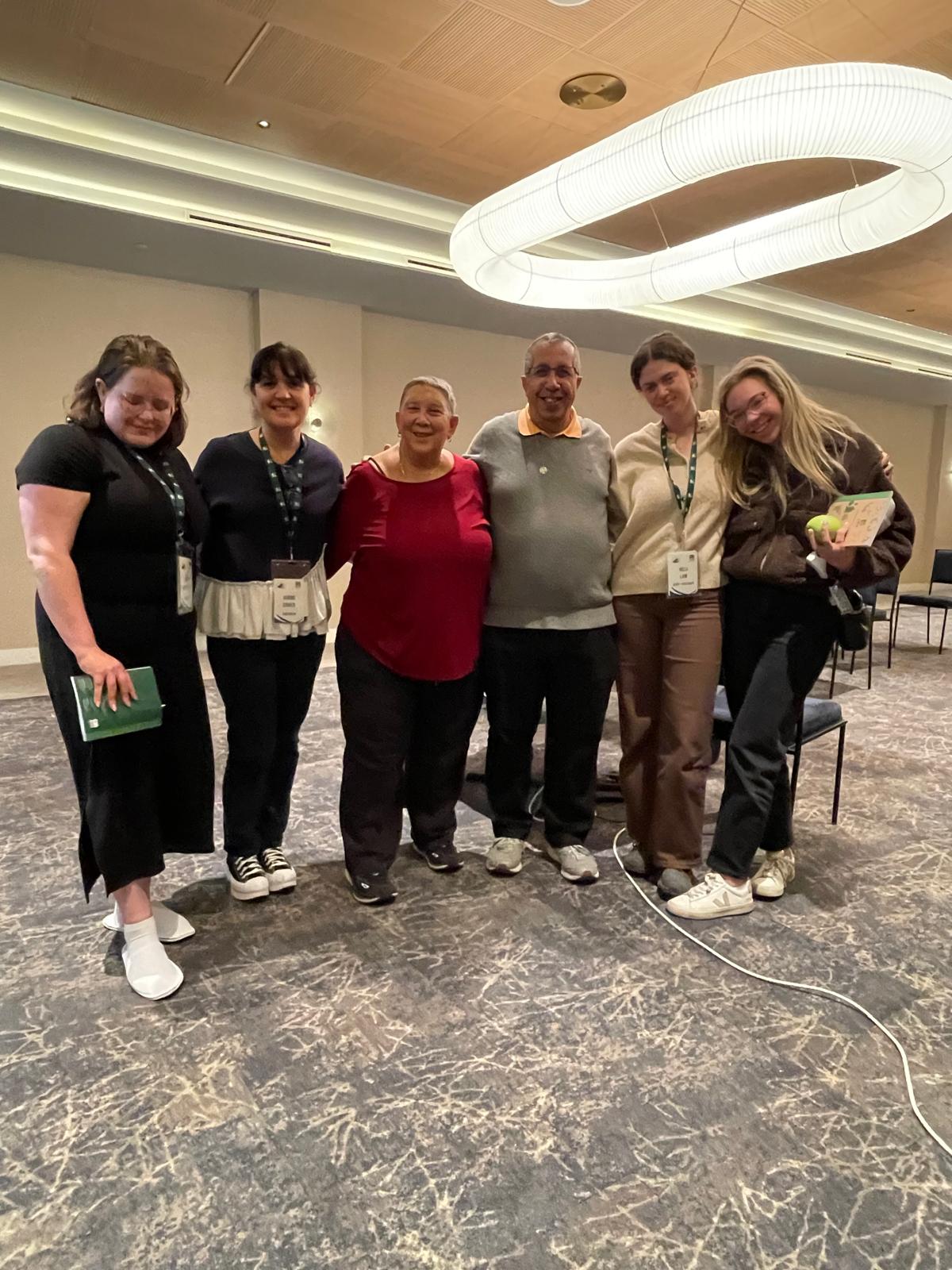
There were tears all around as we hugged Jacqui and Yaron, quietly chatted with them and thanked them for sharing their daughter’s life with us. Adi’s parents have given us a story, Adi’s story, to keep her alive in our memories and our souls, knowing her story will allow her to live amongst us once more, alongside the story of many others. Zichrona Livracha.
As the day’s emotions settled like the dust, we’re left to grapple with the weight of history, the scars of the past still fresh, the wounds of the present still raw. Yet, in the darkness, a spark remains, a flame that flickers with the promise of a dream, of a homeland, of a people resilient and strong.
We hold onto hope, a fragile thread that weaves through the fabric of time, connecting us to the past, guiding us through the present, and beckoning us towards a future yet unseen.
Keila