JNF Australia Educators Tour 2025/2026
Day 5 – 3 January, 2026
Day 5
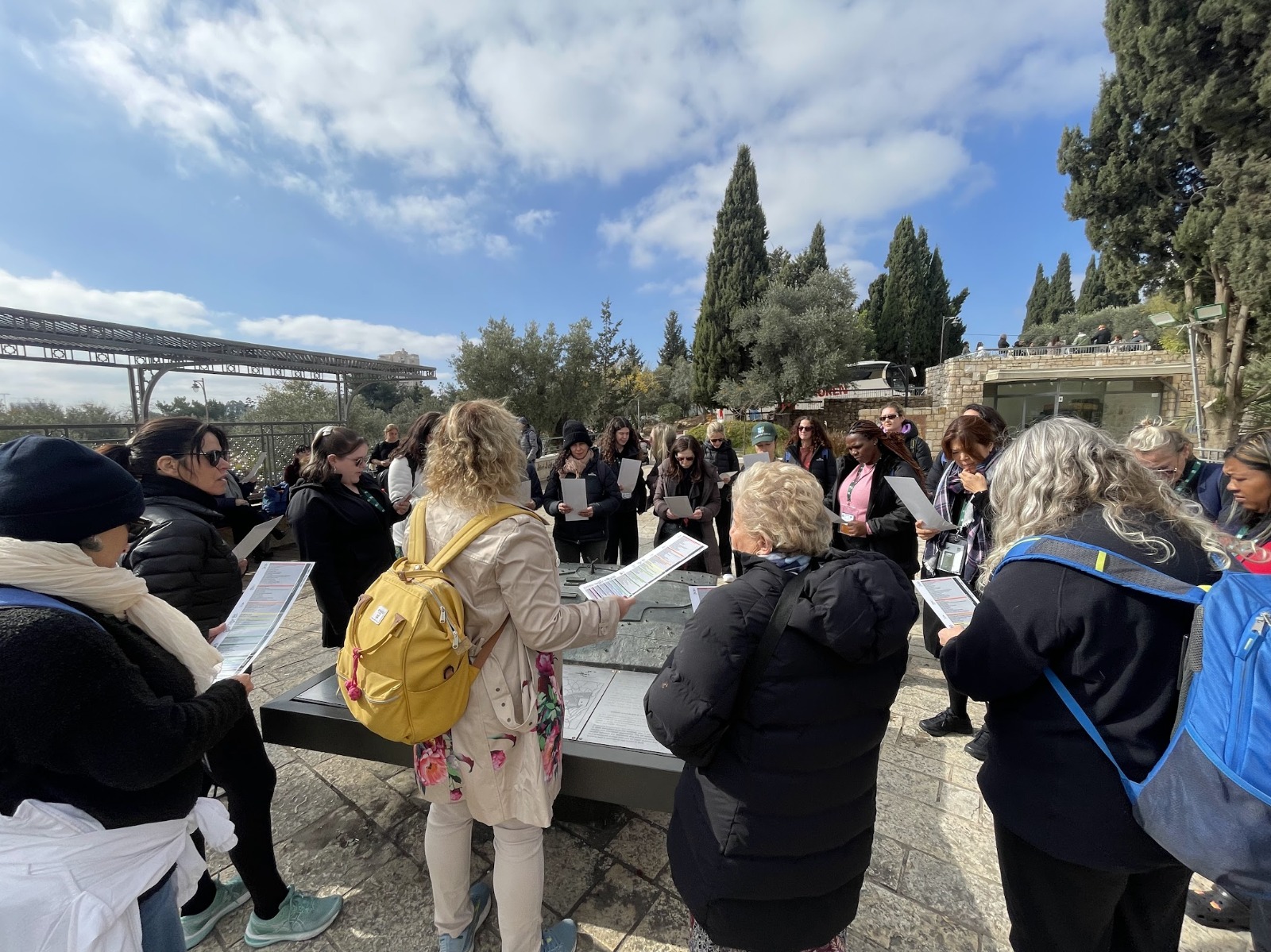
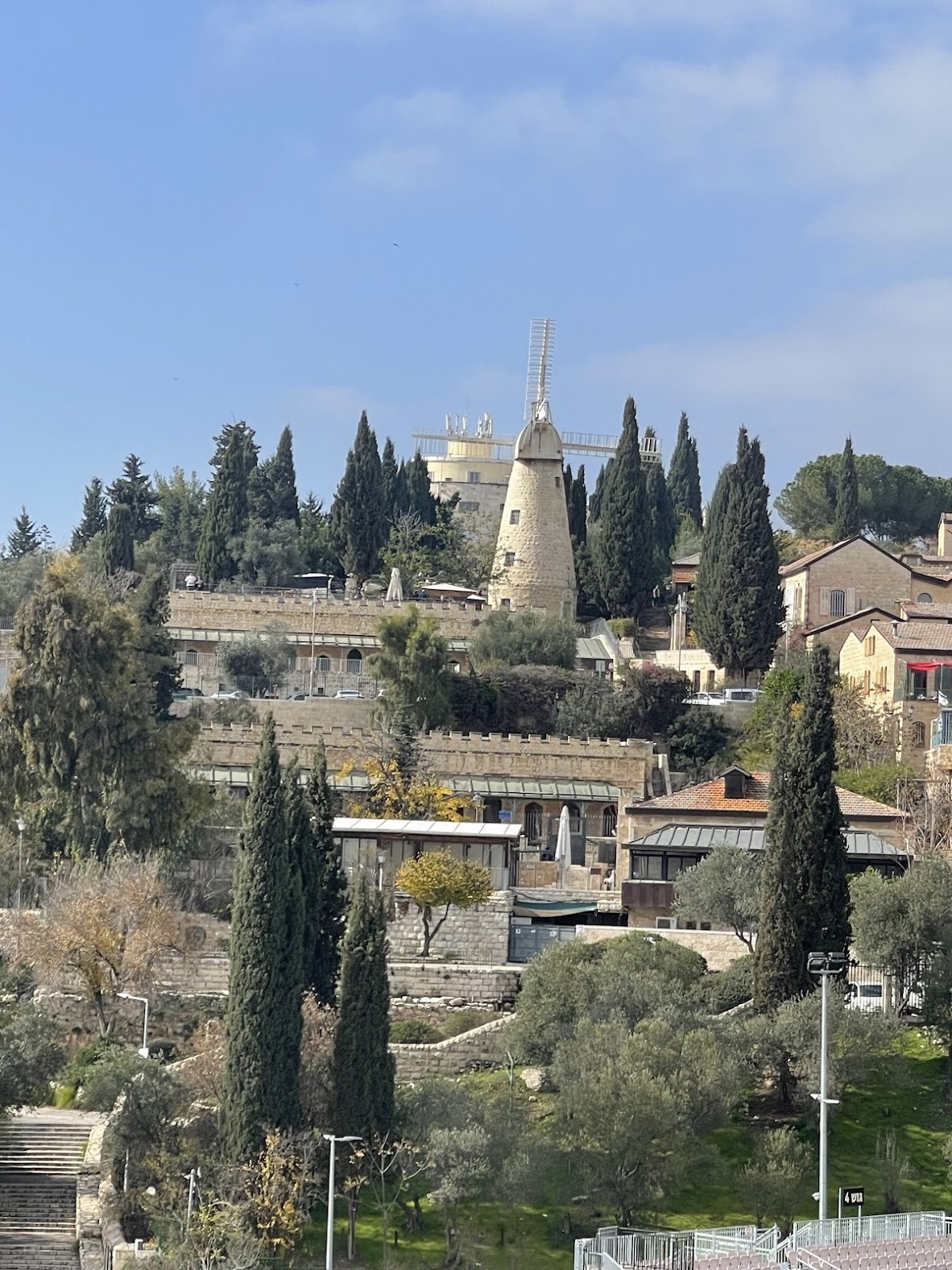
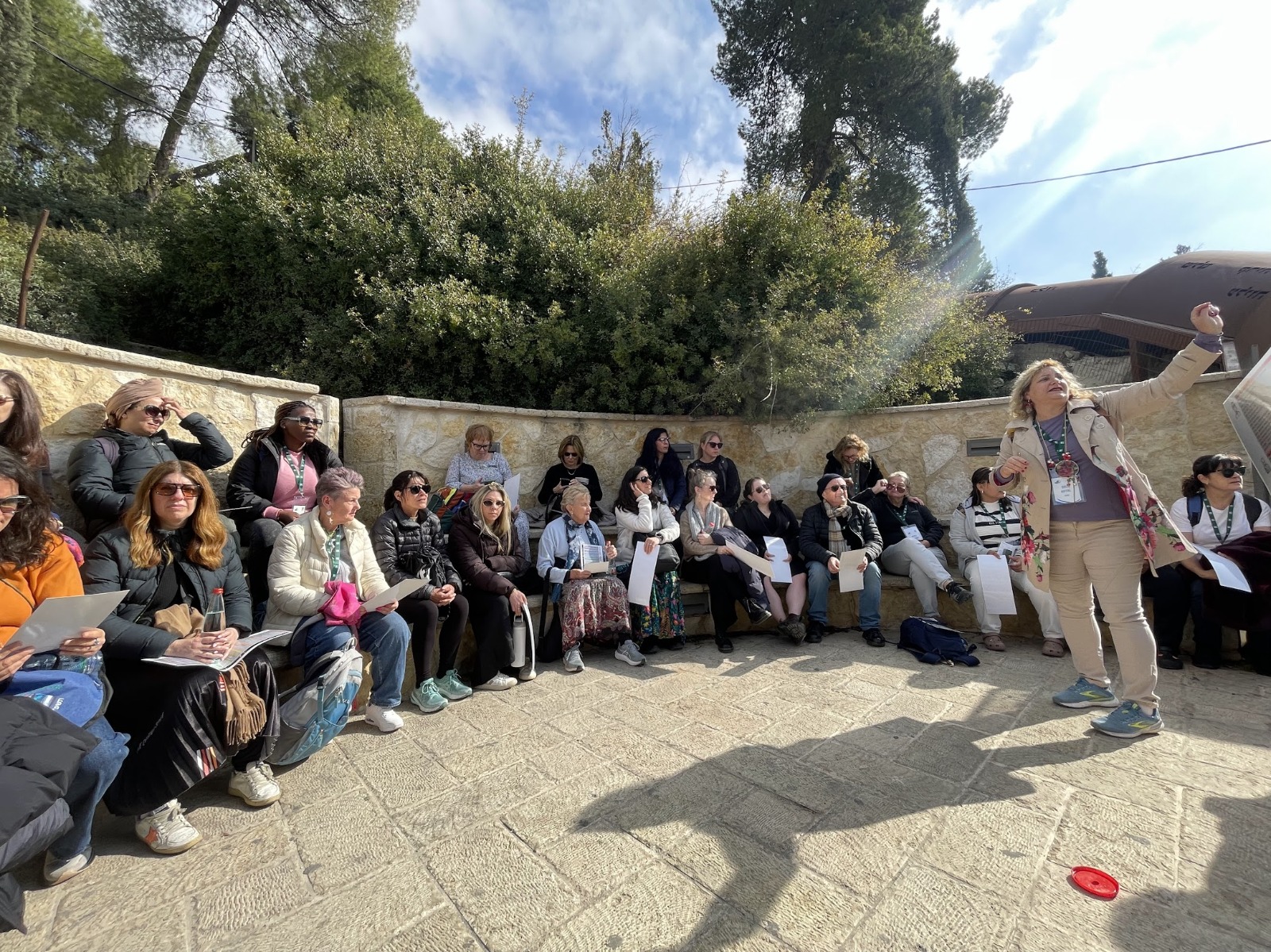
Our journey through Jerusalem began at the Montefiore Windmill, where Orit introduced us to the city’s origins.
We learned how King David chose Jerusalem as the capital due to its central location between Benjamin and Judea, marking this area as the city’s first neighbourhood.
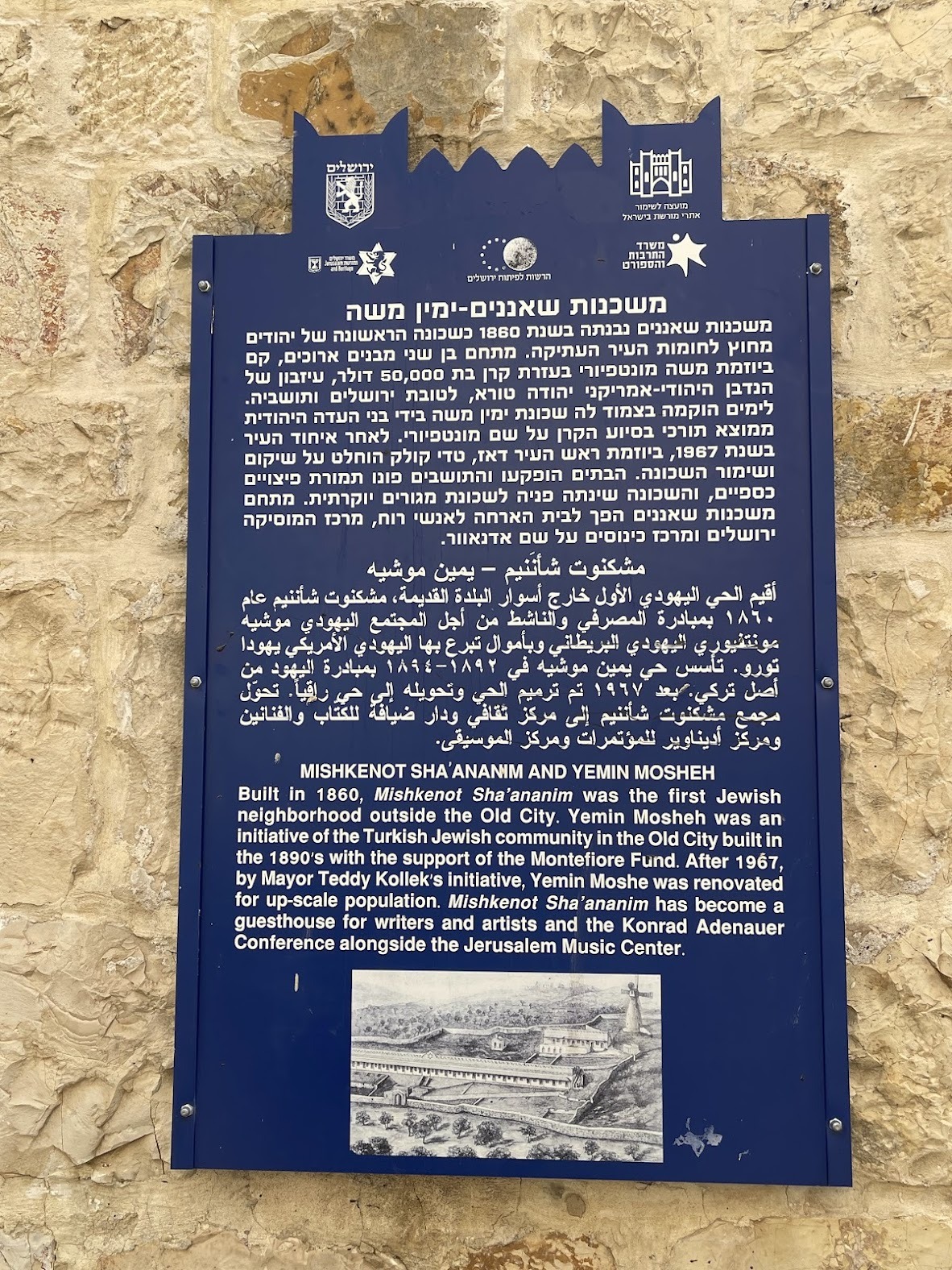
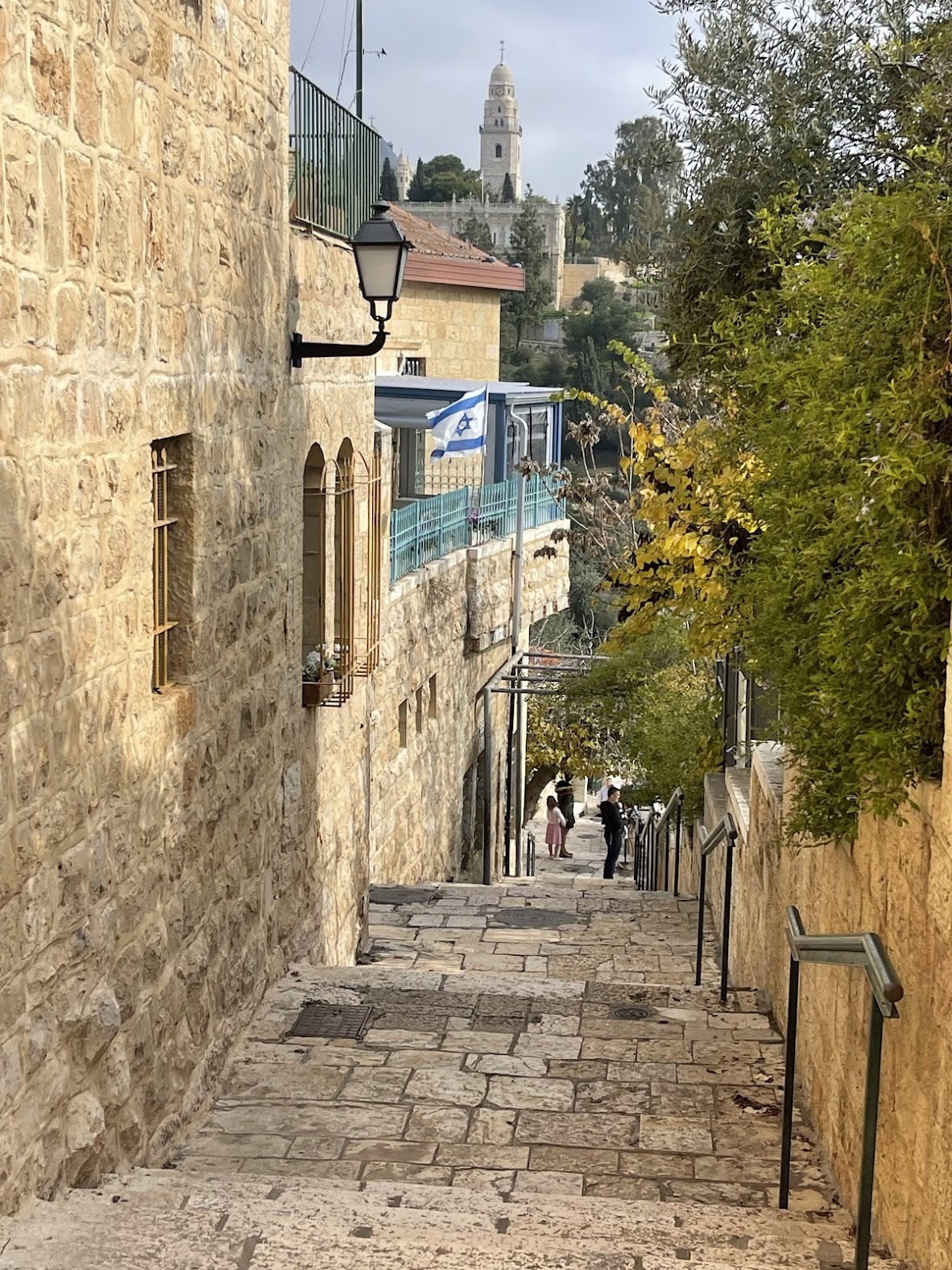
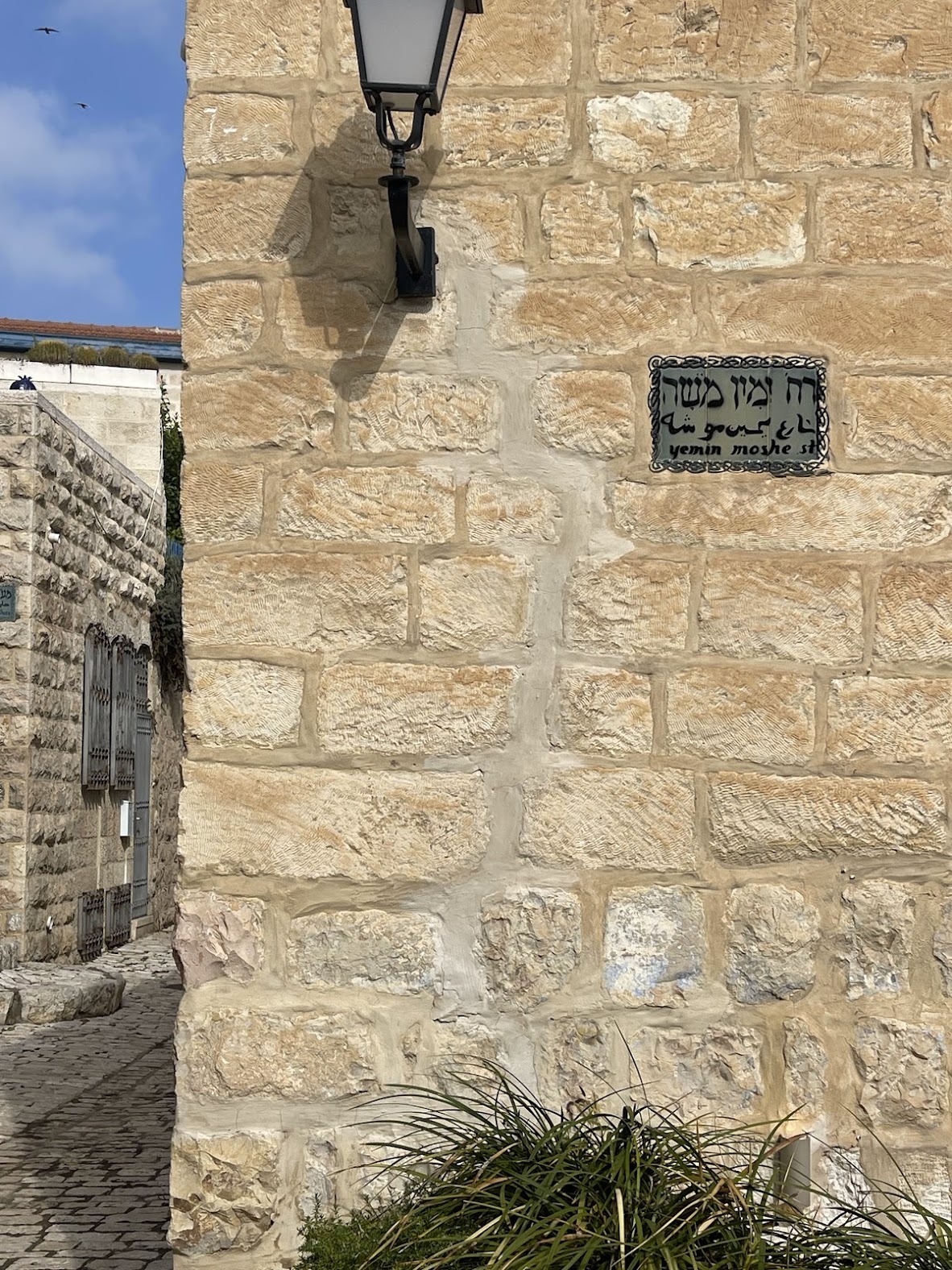
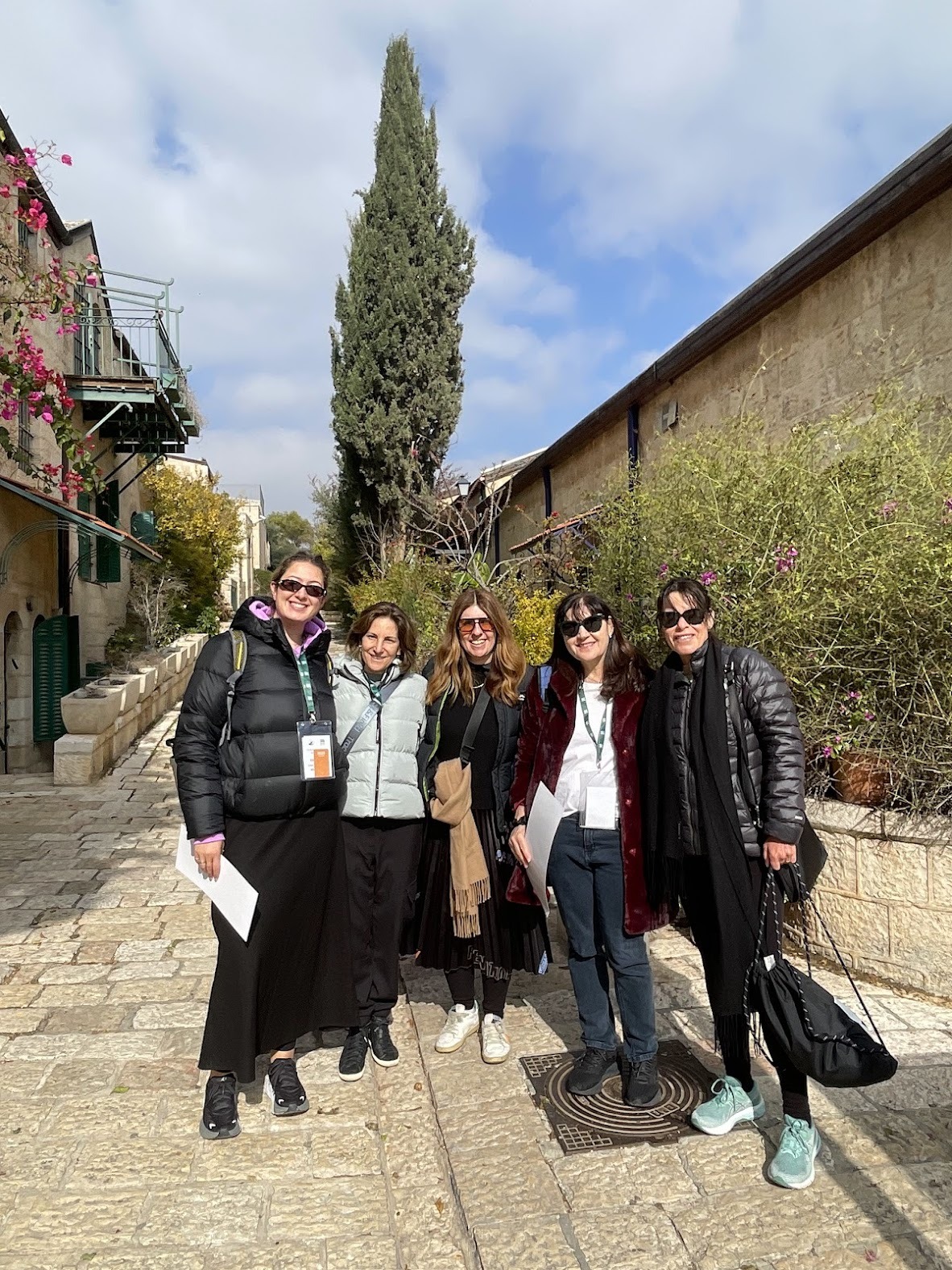
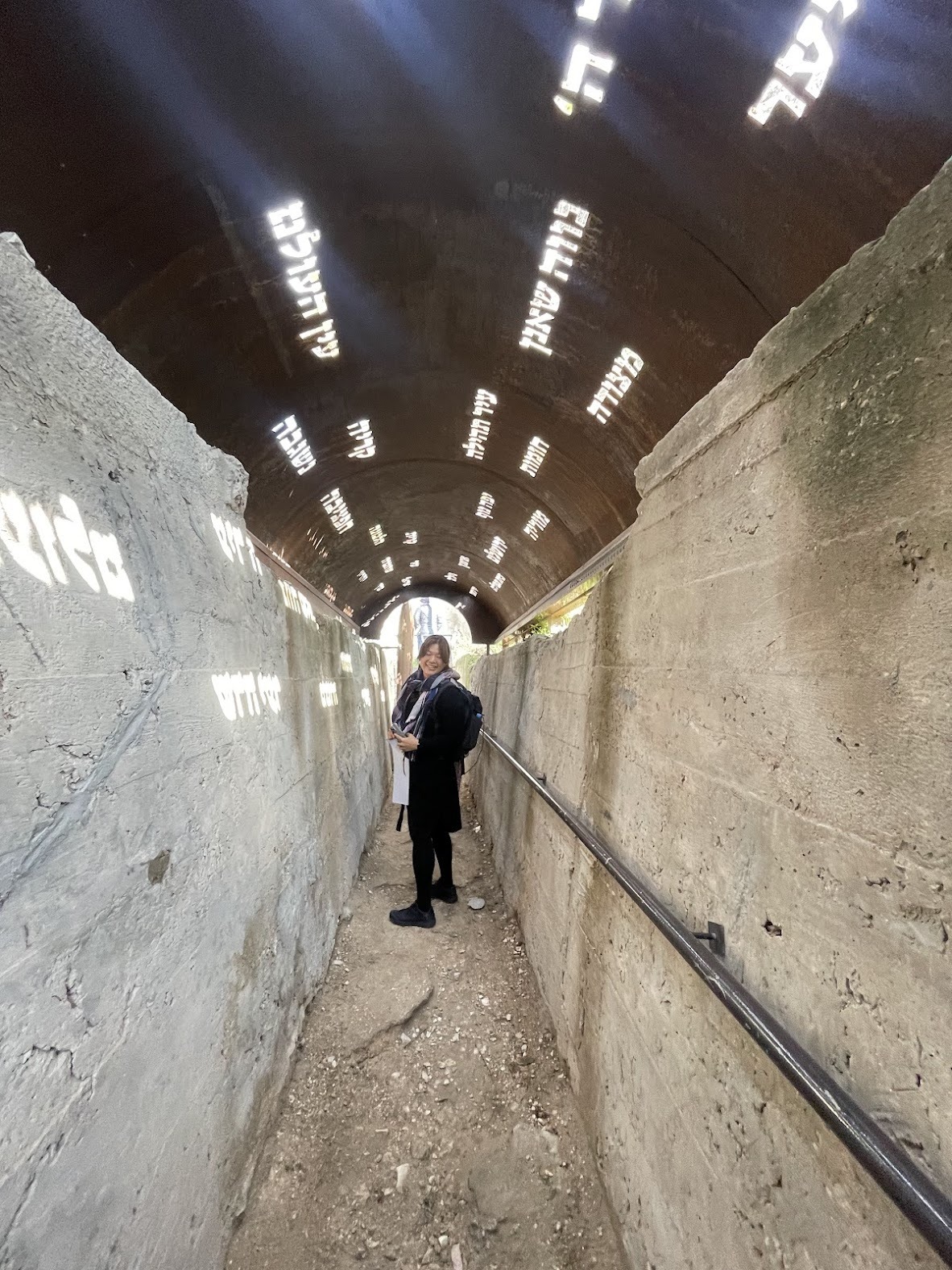
We then visited Mishkenot Sha’ananim, built in 1860 by Moshe Montefiore as the first neighbourhood outside the Old City walls. Designed to echo the city’s fortifications, Yemin Moshe now serves as a creative residence for artists and writers, blending history with modern purpose. At the Mount Zion Trench, we were reminded of the realities of the 1948 War of Independence, as this site once protected troops and supplies from sniper fire. Nearby, we entered David’s Tomb via the Gate of Zion, which includes the Room of the Last Supper and a viewing point overlooking sites sacred to multiple faiths, highlighting Jerusalem’s unique religious convergence.
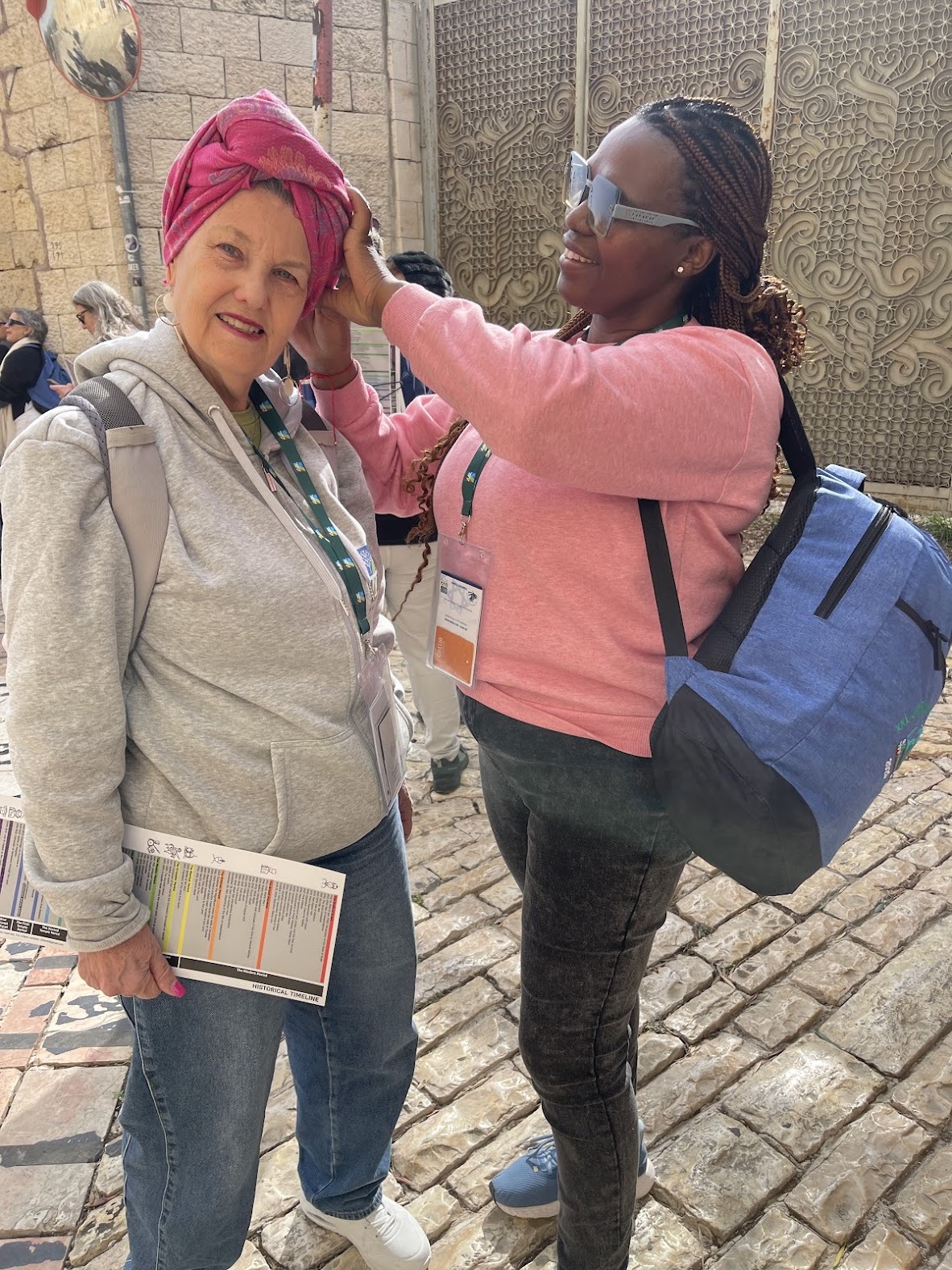
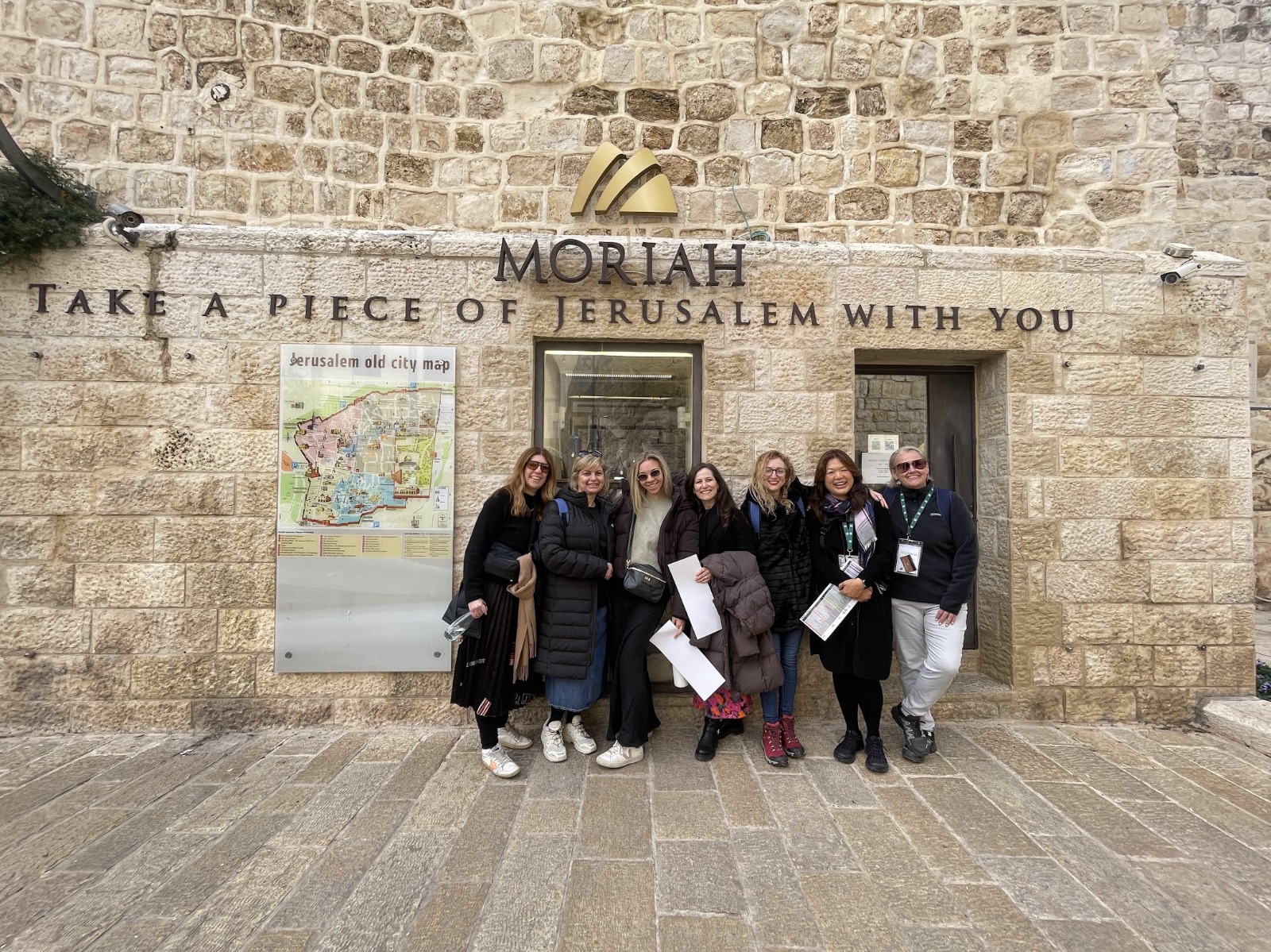
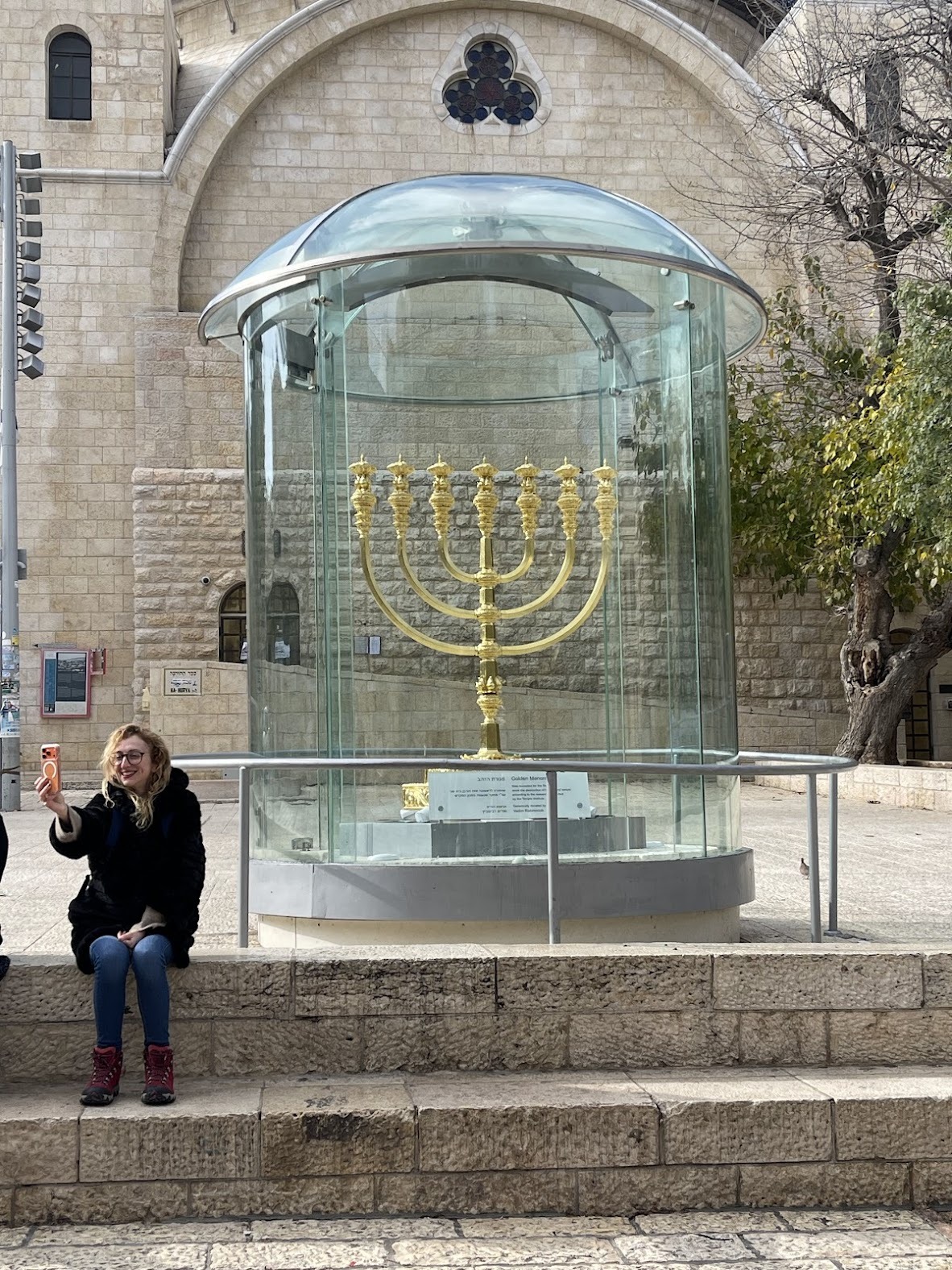
In the Jewish Quarter, we learned about the rebuilt synagogue with its dome-shaped design and the Golden Menorah, a national symbol of peace. This stop held special meaning for Sharon, whose great-great-grandfather helped build the Tiferet Yisrael Synagogue and established one of the first Hebrew printing presses.
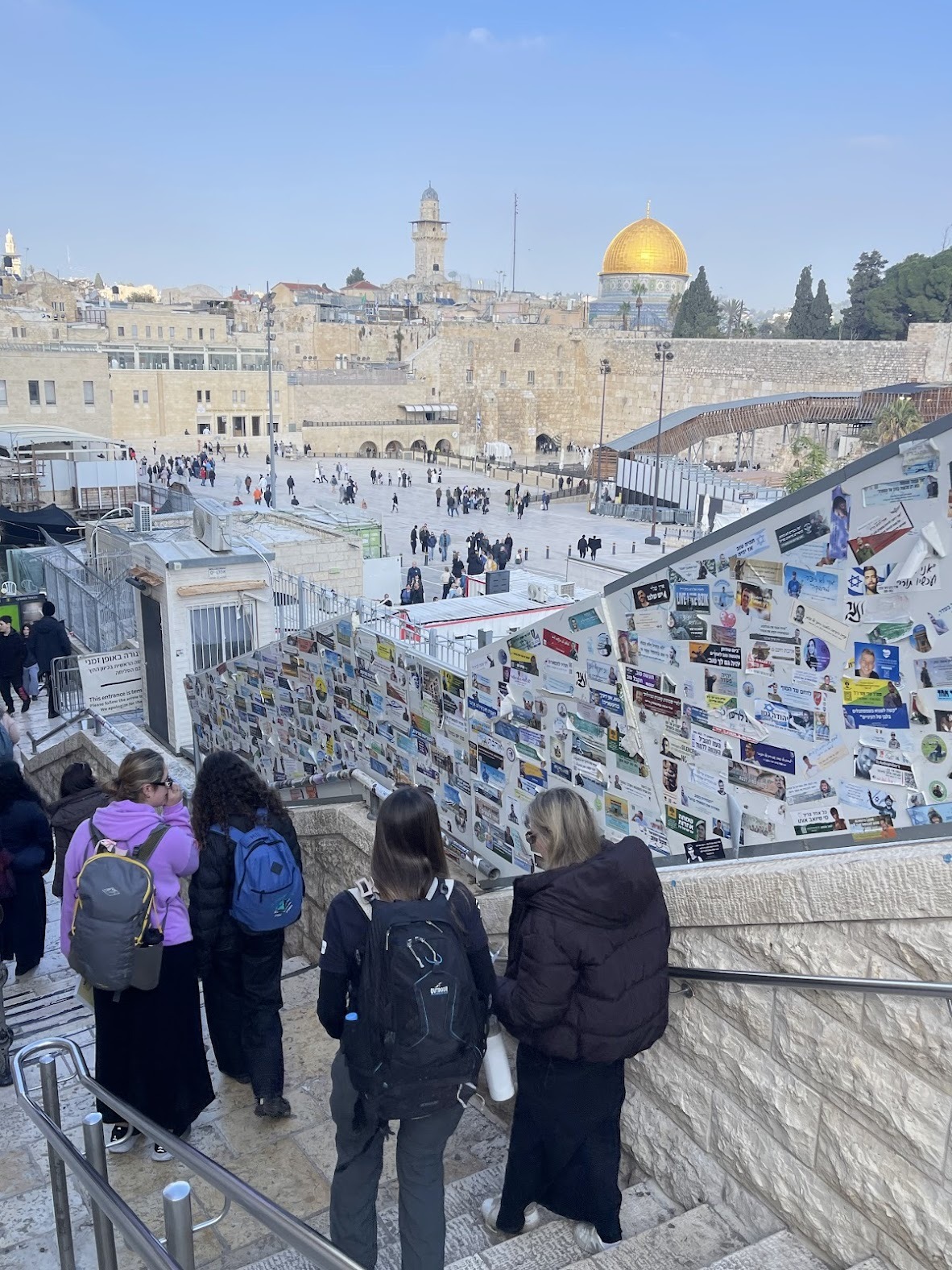
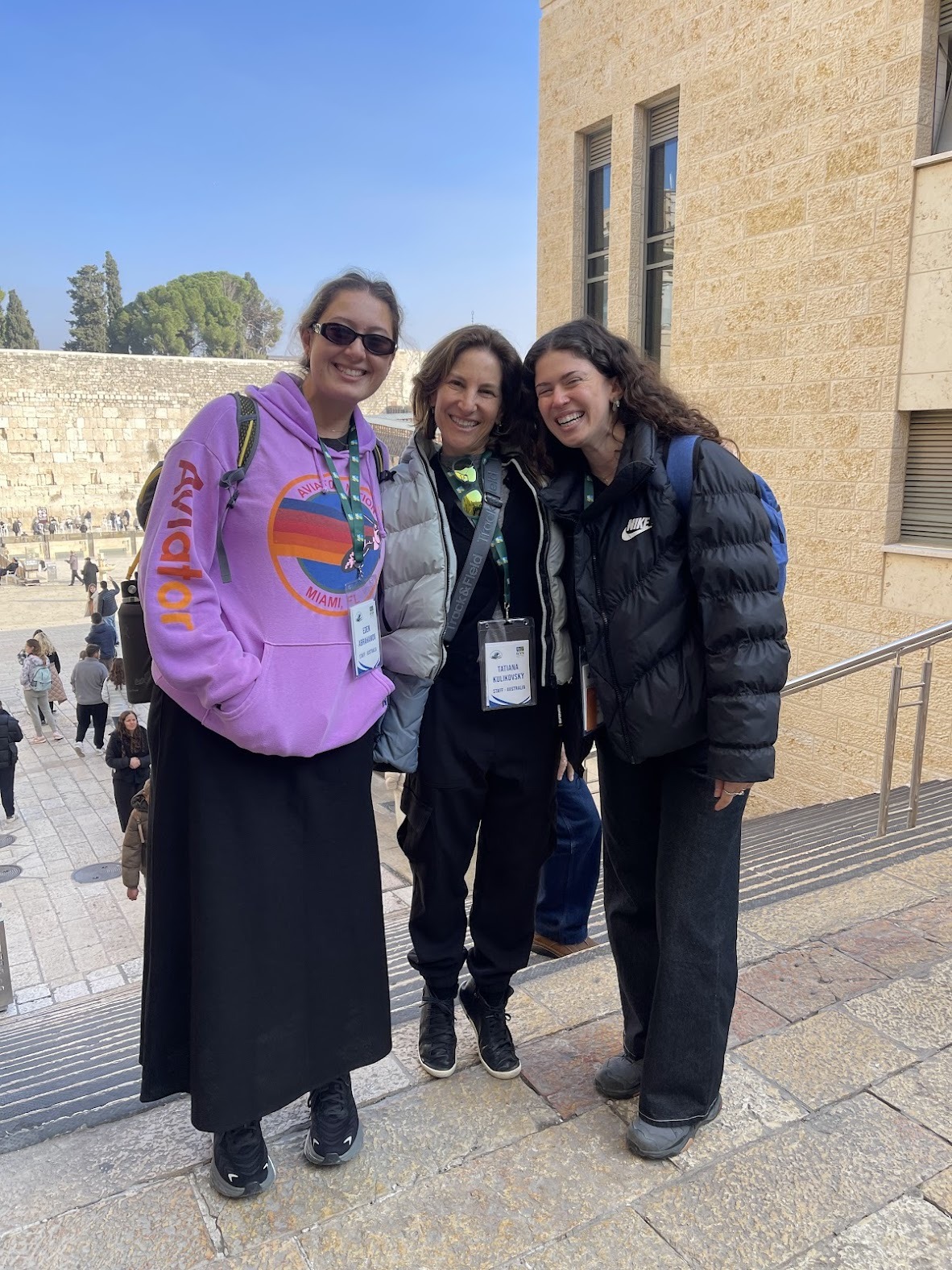
Our last stop at the Kotel (Wailing Wall) was deeply moving. Standing together, we offered prayers and placed written wishes into the stones. Receiving letters from home, we were reminded that this was the only moment our group would be united at the Kotel—an experience that powerfully captured the shared faith, reflection, and connection that define Jerusalem.
What Do We Mean When We Say “Jewish”?
In Avraham Infeld’s lecture on the Jewish community, he challenges a common mistake in Jewish education: we teach Judaism as a subject instead of Jews as people. Before asking what we teach, we must ask who we are teaching—and who they are.
Judaism is not simply a religion. Jews have a religion, but Jewishness itself is something different. No other religion has a state. Jews insisted on one because Jewish identity is about belonging, not just belief.
So Avraham asks a powerful question: Is being Jewish something you believe in, or something you belong to? His answer is clear: we belong.
He illustrates this through personal stories—his father’s tears when Israel became a Jewish state, his parents founding a Jewish school so their child would understand what it means to be Jewish, not just learn about Judaism. To be Jewish is to be part of the Jewish people.
For most of history, Jews understood themselves this way. Up until about 260 years ago, being Jewish meant belonging to a people bound by a covenant with God, living with shared memory and waiting for redemption. Then modernity arrived. The French Revolution opened ghettos, promoted individualism, and pressured Jews to stop being different.
Jews responded in different ways. Some rejected modernity and preserved tradition. Some fully assimilated. Most tried to integrate while holding onto Judaism—but discovered they were never truly accepted. From this confusion emerged Zionism and the realization that Jews are not just a religion. Jews speak to God in the plural.
Abraham describes a defining moment in Israel: standing still with the entire country during the Holocaust Remembrance Day siren. In that silence, he understood—this was his tribe. Jews, his father once said, do not have history; they have memory.
Today, Avraham worries that many Jews—especially young people—don’t know what it means to be Jewish. Jewish education must begin by teaching that we are part of a people. Jews are not uniform, but we must be unified.
Jewish identity stands on several foundations: peoplehood, covenant, shared memory, the land and state of Israel, and the Hebrew language. Without connection to Jewish memory and belonging, Jewish continuity is at risk.
To be Jewish is not only about belief or practice. It is about belonging to a people.
Our final experience for day 5 was experiencing the Light show in Zedekiah’s Cave. Stepping into Zedekiah’s Cave during the light show felt like entering another world. As colours danced across the stone walls, the cool, echoing space brought Jerusalem’s hidden history to life, blending ancient legend with a powerful sensory experience.
Genevieve, Sue and Janine